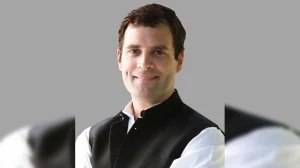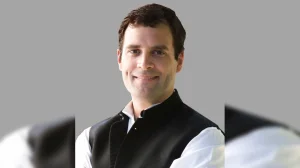
Gandhi stated the agreement is a complete failure for India, as India gave up a lot more than it gained. He believes it means India has lost control over its own digital information and is now basically a “data colony,” and because of this, people should continuously fight against this deal politically.
He said this deal will ruin the way of life for people in farming and clothing manufacture. Gandhi says he’s speaking for regular workers and small businesses, and warns that they’ll be the ones most negatively impacted by these fast-paced changes to how trade is done.
Allegations on data security and economic impact
Gandhi insists the deal weakens India’s ability to manage important data and allows outside countries to have an effect on our economy. He points out possible problems for India’s national security and the stability of our supply chains, and says these weren’t carefully considered during the talks.
Gandhi also emphasized the very quick, negative effects for farmers and small to medium sized businesses. He says that the US will have lower taxes on their goods coming into India and easier access to our markets, which will make it harder for small Indian businesses to compete and will damage the Indian industries that millions of people work in.
Accusations regarding Adani, Epstein files and parliamentary absence
Gandhi also criticized the Prime Minister for avoiding Parliament, and connected this avoidance to the issues surrounding the Adani group. He suggested that a well-known case in the United States is worrying the government and its leaders.
Specifically, he brought up names that appear together in documents relating to Jeffrey Epstein and called the connection shameful. Gandhi used these claims to question how open and accountable the government is at the highest levels.
Congress response and political implications
The Congress Party is presenting this as part of a larger story about how the government is run and how the wealthy and powerful control things. Gandhi promises that his party will continue to support farmers, workers, and small businesses and won’t give an inch when fighting policies they think will cause harm.
Parliamentary debate and public response ahead
This argument is increasing political tensions right before important discussions in Parliament. Opposition leaders will likely insist on a very close look at the trade deal in Parliament, and will demand to know details about the negotiations, how data is being protected, and what the deal will do to the country.
We can anticipate frequent requests for a full review by Parliament and possibly requests for a combined committee to hold hearings. Members of Parliament from all parties will probably use this issue to get things they want or to strengthen their position with the people they represent.
How the public reacts will depend on actual proof of damage and whether the government will reveal the details of the negotiations. If there aren’t important protections or changes made, the disagreement could become bigger, and include groups of industries, farmer organizations, and people in the tech field.
What this means for India-US relations and domestic politics
This disagreement shows the difficulty in balancing getting involved in international trade deals and protecting India’s own economy. It also shows how trade policies can quickly become the central point for bigger questions about openness, who has influence, and the country’s independence.
For those making policies, the main problem right now is to find a way to be open to the world economy while protecting our data, farming, and manufacturing. For political leaders, the key will be whether they can calm worries by having discussions based on facts and by taking actions that reassure both citizens and other countries we work with.