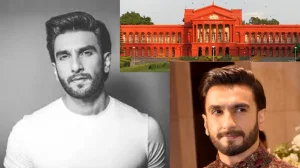
Singh went to the Karnataka High Court to try to get the FIR dropped which came about because of his copying of a Daiva character from Kantara: Chapter 1. His request was put before a court headed by Justice M Nagaprasanna, but the court would not allow an urgent hearing and said it would use standard procedures.
Ranveer Singh goes to Karnataka High Court
Singh made the request to the court after a private complaint led to a criminal case in Bengaluru. His lawyers asked for the matter to be dealt with quickly, saying a fast result was needed to stop the actor being put under more and more pressure. But the court said it would hear the case when it could and would not speed up the request.
The actor’s lawyers say what he did was because he admired Rishab Shetty and the characters in the film. The request to the court asks it to cancel the FIR, and to stop any further action while the request is being considered.
Details of the FIR and the things Singh is accused of
The FIR was made at High Grounds Police Station in Bengaluru after a complaint from lawyer Prashanth Methal. The complaint was at first made to a judge, then sent to the police, and this led to the FIR being made under Sections 196, 299 and 302 of the Bharatiya Nyaya Sanhita (BNS).
The complaint says that Singh mocked a holy Daiva custom at the end of the International Film Festival of India in Goa. It says the actor ‘roughly copied’ faces linked to Panjurli/Guliga Daiva and called Chavundi Daiva a ‘female spirit’, which the person making the complaint says hurt religious feelings.
What happened at IFFI Goa and Singh’s public apology
At IFFI Goa, Singh praised Rishab Shetty and talked about how much effect Kantara: Chapter 1 had. While giving the film praise, he acted out a Daiva moment from the end, and this caused some people who saw it – and the person making the complaint – to criticize him.
Reports say Shetty did not actively tell him to copy the character on stage. After the criticism, Singh made a public apology on Instagram. He said he only meant to praise Shetty’s acting and said he respected all cultures and beliefs. He said sorry to anyone who had been hurt, and promised he would not make similar comments in the future.
Legal arguments and what happens next
Singh’s request to the court says his praise was misunderstood and unfairly given a criminal meaning. His lawyers said the police had already sent two letters about the incident, which the defense said was too much pressure on someone well known to the public. The request asks for temporary help, including stopping any further action.
The court has put the case down for a full hearing instead of giving immediate help. This will give both sides a chance to put forward legal arguments about who has the power to judge, how the parts of the BNS mentioned should be understood, and whether what Singh did was criminal.
Possible legal results and what this means in general
The court may cancel the FIR if it finds the things said are not enough to start a criminal case under the parts of the law mentioned. Or, the case may go to a trial if the judge or court thinks there is enough to suggest a crime was committed.
Either result will have a wider effect on public speaking and how cultural expression is treated. This case shows the tension between artistic expression, religious feelings and whether public people are responsible for what they say. A court decision will probably shape how similar arguments are dealt with, particularly when events happen on a national or international stage.
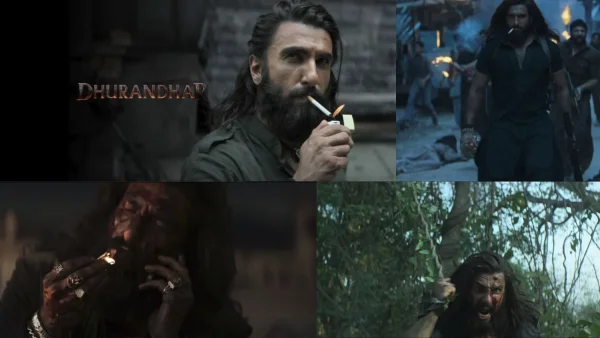
Ranveer Singh is getting ready for his next film to come out while the legal process is going on. Everyone will be watching the Karnataka High Court’s next hearing, which will decide how the argument goes and whether the FIR will be stopped or cancelled.