India A won the 2026 Women’s Rising Stars Asia Cup, performing very well in the final versus Bangladesh A in Bangkok – with Tejal Hasabnis and Prema Rawat doing especially well in a low-scoring match. India made 134 for seven in their 20 overs, and then bowled Bangladesh out for 88, winning by 46 runs and taking the championship.
Tejal Hasabnis and Radha Yadav hold the innings together
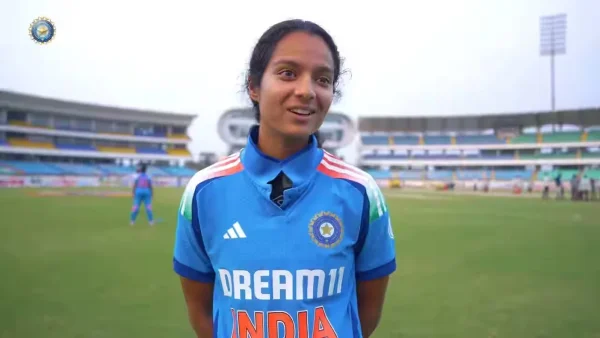
On a slow pitch that turned, Tejal Hasabnis played the most important innings, finishing with 51 not out from 34 balls. Her well-timed fours, and clever changing of the strike, kept India going after a difficult start.
Captain Radha Yadav gave important help with a steady 36 from 30 balls, and shared an 89-run partnership with Tejal for the fifth wicket. This partnership saved India from 44 for four, and turned a bad beginning into a total they could defend. Fahima Khatun gave India trouble early on, ending with four wickets for 14 runs, and putting a lot of pressure on the top batting order. Even so, India got some momentum near the end, helped by strong hitting and smart running between the wickets.
Prema Rawat heads a controlled bowling attack
Prema Rawat was the best bowler, taking three for 12 in her four overs and changing the match. Her height, control, and clever use of the leg-break used the slow pitch, and kept Bangladesh under pressure. Rawat, who had recently done well in the home league, changed pace and used the bounce to make batters get edges and make bad judgements.
Her balls which landed on a good length regularly invited errors from the batters. India’s bowling was even, with five other bowlers taking wickets. The team’s work together made sure Bangladesh could not get over early losses and never found the speed needed to chase 135.
Important outs and tactical control
Important outs and tactical control
Bangladesh lost an early batter when Ishma Tanjim was caught by fast bowler Saima Thakor after coming down the pitch. That out set the tone, and stopped any early settling in. Prema got Shamima Sultana out with a classic leg-break which bounced a little more, and took the edge.
These wicket-taking balls stopped partnerships forming, and Bangladesh never got any lasting speed. Bangladesh’s best batter, Shamima Sultana, only made 20, while the others were out for little. The batting side gave in to tactical field settings and steady bowling from India, and were all out in 19.1 overs.
Pitch, background and tournament record
The final was played on a difficult pitch, which rewarded bowlers who could get turn and bounce. Teams who got used to the pitch quickly did well, as India A did with a mix of spin and seam plans. India A had beaten Bangladesh A in the first final as well, and this second win showed the depth and strength of India’s new talent.
The Rising Stars form goes on showing players who are ready for higher honours. Prema’s recent form in club cricket gave her confidence, and Tejal’s international play showed in her calm when under pressure. These individual stories showed what the tournament does – helping to make future stars.
What this means for player growth and what happens next
The win will give India A more belief, and make selectors look at these players for places in the senior national team. Tejal’s finishing and Prema’s match-winning bowling show the balance teams want in limited-overs cricket. For Bangladesh A, there are clear lessons about making partnerships and dealing with slow pitches.
The experience of being in a final will help shape batting plans and spin plans going forward. All in all, the match showed controlled bowling and careful batting under stress. India A's 46-run win shows how much depth the team has, and points to several players to keep an eye on in future home and international matches.