A new lawsuit was filed on Friday by the US Department of Justice against Harvard University; the university did not cooperate with an ongoing federal investigation into the use of race in admissions. The Trump administration requests information about the admissions of individual students to determine in anyway if the Supreme Court’s 2023 ruling, banning race-based considerations, is followed.
Legal Stand and Claims of Justice Department
The DOJ has requested that Harvard produce all documents and data that has been hitherto withheld with the former. The officials claim that the university “repeatedly slow-walked the pace of production and refused to produce pertinent data and documents,” such as those pertaining to admissions policies and communications about diversity, equity, and inclusion programs.
Harvard’s lack of transparency in noncompliance with compliance is what concerns Attorney General Pam Bondi: Harvard should give up information for an audit to establish that the admissions do not involve discrimination. The DOJ’s petition, the Department of Justice, insists deposition gets subjected to narrowly defined terms, stating that ‘The complaint seeks only to compel Harvard to produce documents related to any consideration of race in admissions and does not accuse Harvard of racial discrimination.’
Pre-Trial Statements and Monetary Request Issues
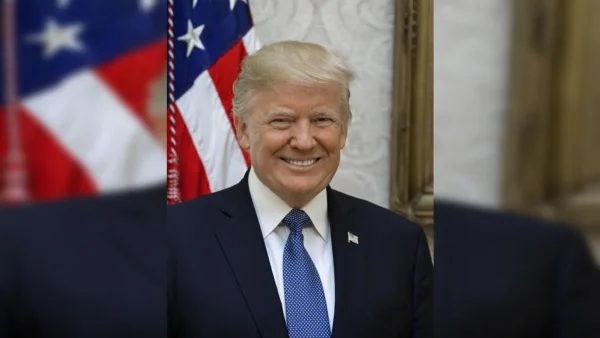
President Donald Trump, less than two weeks ago, made the following public comment relating the dollar amount to monetary claim for damages going from Harvard: The administration is demanding a billion dollars from Harvard for cases when a Jewish student was hurt last year fighting back on campus protests. This comes in the wake of a message that said the demand had been dropped. This back and forth seems to have put the administration’s approach to higher education issues under greater scrutiny.
Assistant Attorney General Harmeet Dhillon argued that if Harvard has discontinued all consideration of race within its admissions process, “then the university should be more than happy to provide the data necessary to prove that.” The government has indicated it is engaged in a wider form of enforcement under this front against other institutions also.
The Harvard reaction and stance of the college
According to a Harvard spokesperson, the university is dedicated to doing its duty in compliance with the law but also specifically and best responded with good faith to all government requests. The spokesperson added that Harvard will “continue to defend itself against these retaliatory actions which have been initiated simply because Harvard refused to surrender its independence or relinquish its constitutional rights in response to unlawful government overreach.”
University leaders have stressed legal protections for institutional independence, while indicating willingness to work within lawful discovery requests. The dispute violates federal courts and their standards for weighing where the DOJ appears warranted, and where Harvard speaks for its rights and willingness to comply.
Widening pressure on campuses from the federal government
Both historically and recently, pressure points are exacerbating around attempts to regulate university campuses on safety violations. The administration has used funding threats to keep campuses under control in diverse ways: over tendencies to let off pro-Palestinian protests opposing events in Gaza; lack of sufficient diversity, equity, and inclusion; critical race theory and anti-lynching thronged groups; policies to include transgender students actively in universities. All quickened by imperious and adversarial funding regimes when multiculturalism finds itself at the heart of institutional compliance of proper governance across higher academic platforms.
The Harvard case serve as a guide for colleges across the country. The laws will calm the nerves of governance and compliance over the higher oversight benignly followed for those practices linked to admission policies.
Consequences in higher education and next steps
An option for verifying the NCAA’s obvious hall of eligibility is possibly hiring staff specifically for this one arena, and if need be, the NCAA provides guidance on making an oral olfactory evaluation a disqualifiable offense.
When most of us think of the cheaters, we think of the athletes. But like selling parliamentary seats, if highly Sarkozy is implicated in a cheating scandal, they want, as the email suggests, to get away with anything, including the fall of another Olympian from grace.