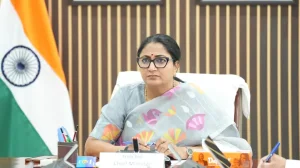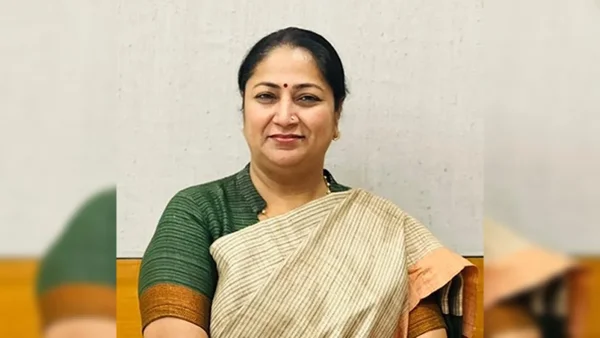
Delhi’s Chief Minister, Rekha Gupta, officially opened 51 new Ayushman Arogya Mandirs – health centres – on Friday, from the village of Fatehpur Beri in South Delhi; this brings the total number of these centres across the city to 370 in only eight months. This development shows the Delhi government is committed to making healthcare both available and cheap in people’s areas, and to lessening the amount of pressure on the larger hospitals.
Fatehpur Beri was attended by local politicians
The opening in Fatehpur Beri was attended by local politicians and people who live there, namely South Delhi MP Ramvir Singh Bidhuri, Chhatarpur MLA Kartar Singh Tanwar, and councillor Sunder Singh Tanwar. As well as senior staff, the Chief Minister looked over the new Ayushman Arogya Mandir and checked it was ready to work.
During her visit, Rekha Gupta looked at the tests, drugs and how patients would be treated, so that people could get help quickly. Staff said the centres were already open and prepared to deal with local health problems from the very first day.
Each Ayushman Arogya Mandir provides full primary and preventative healthcare, including roughly 80 free tests. Locals can get important drugs without charge, plus advanced tests and cancer checks near to where they live.
Vaccinations, special rooms for mothers and children
The centres also give vaccinations, special rooms for mothers and children, care for older people, and checks for illnesses which aren’t infectious. The modern and easy-to-use buildings are intended to make normal care easy, and to help people find and stop illnesses early.
Rekha Gupta said healthcare was an investment, not a cost, and described the Arogya Mandirs as places for stopping illness, making people aware of health, and building confidence. The fast increase to 370 centres in a year shows a firm decision to move care to local level, and to make primary healthcare stronger throughout Delhi.
The government has set a strong aim of building more than 1,100 Ayushman Arogya Mandirs in the not-too-distant future. This plan shows they will continue to put money into health buildings in neighbourhoods, and have a long-term plan to make health better and reduce the number of people in the larger hospitals.
Officials expect the new Ayushman Arogya Mandirs to reduce the work of the major hospitals, by sending routine tests and first treatments to the local centres. Less crowding in accident and emergency departments ought to mean shorter waits and better access to expert care when it’s really needed.
The overall goal is to improve the daily lives:
For patients, shorter journeys and free tests mean illnesses are found and treated more quickly. The neighbourhood idea also makes preventative care more available, which can reduce the number of serious – and expensive – illnesses.
At the same time as the health launch, the Chief Minister started work on projects in the Chhatarpur Assembly area, worth more than ₹322 crore. This package includes building and improving roads, better drainage, and upgrading public services in the local areas.
The authorities also announced bigger investments in transport, including approval for a ₹1,471 crore two-level flyover on Mehrauli-Badarpur Road, and four raised road schemes for Chhatarpur and surrounding areas. The area will also get three new schools to support local education.
The government stressed the importance of checking and quality control as the network gets bigger. Regular visits, tracking service delivery using data, and working with the community will help with increasing the number of centres and giving out resources for future Ayushman Arogya Mandirs.
As Delhi moves towards the 1,100-centre aim, officials say they will still focus on combining preventative services, making tests stronger, and making sure drugs and staff are always available. The combined effort on healthcare and public buildings aims to make daily life better for people in South Delhi.