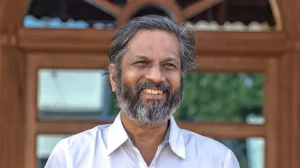
Sikka states that people are “panicked about what AI is going to do to the work we did yesterday,” and that this panic limits what we can see. He uses early television as an example; at first, it just did things like old shows, instead of finding its own, new possibilities and creating new kinds of jobs.
Changes caused by technology have always removed some jobs while also making others that didn’t exist before. Automation tends to get rid of work that is done over and over, and then makes room for jobs that need creative thinking, knowledge of a specific field, and new ways to use both people and machines together.
Making AI Available to Everyone and Teaching a Lot of People About It
Sikka stresses that it’s less important who owns the basic AI models than that many people can get to them and understand them. The real job is to teach millions of people to use AI tools well, so they can make new services and businesses using the models that already exist.
If a country can give practical AI skills to a billion people, workers and business starters will find areas of need, begin companies, and create jobs we can’t even think of yet. Letting everyone have access to AI makes innovation happen more often than trying to keep models and computing power to yourself.
An Example of the Green Revolution and How AI Could Be Used
He likens the possible change from AI to the Green Revolution, when government plans, education, and infrastructure greatly improved how much food farms could grow. That change needed public and private groups to work together, and a clear goal for the country, not just a few tests.
When this is thought of in terms of AI, it means putting money into training, digital infrastructure, and laws that help. Sikka suggests that having clear goals and wide access can quickly improve how much things are made and how people make a living in many areas.
Power, Computing, and Better AI Designs
Sikka admits that there’s a problem with infrastructure: training big models uses a lot of electricity and computing power. Early systems needed gigawatt-hours of power, which is expensive and bad for the environment if AI is going to be used a lot.
However, he says that biology can give us ideas – the human brain only uses about 20 watts. The next thing we should focus on is designs that use energy well and are smarter, instead of just increasing computing power. This would make AI more able to be used by everyone and better for the environment.
Skills, Tools, and Good Advice for Workers and Businesses
Other leaders in the industry say the same thing: being good at using AI tools is key. Learning to use the latest assistants and tools for businesses can save jobs by making people more productive and letting them do more important tasks instead of doing the same things again and again.
The advice for people who make things is simple: start with a very big problem for a business, then make an AI solution to fix it. Products should not use AI just to be trendy; they should use AI to get results you can measure. That way of thinking usually makes companies that can survive and jobs that matter.
What Government Should Do and How Businesses Can Get Ready for Changes Driven by AI
Government officials should allow testing without too many rules, give special training programs, and make sure private money going into people’s skills is encouraged. Policies that allow innovation between countries can speed up AI being used, while also protecting workers.
Businesses need to map out how work gets done, find the tasks that are repeated, and put money into training people again. Companies that use AI carefully and plan for people are more likely to make new jobs and keep improving how much they produce for a long time.
In Conclusion: Taking Control Rather Than Being Afraid
The main thing leaders like Sikka are saying is not to say that there won’t be changes, but to call for people to take control instead of being afraid. By teaching many people about AI, focusing on designs that use energy well, and making government and business plans work together, societies can make AI create jobs we can’t yet imagine, instead of just replacing the jobs of yesterday.