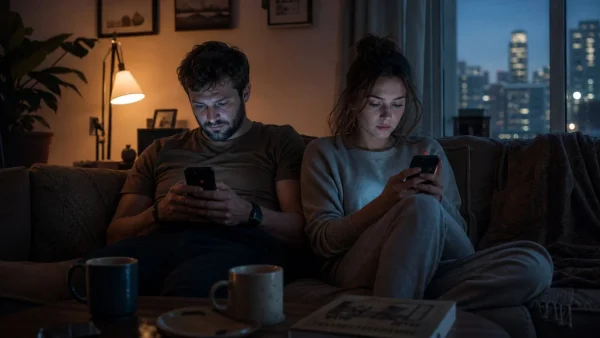
Loneliness has a way of being right there in front of you. The research in psychology will tell you: you can be on the sofa with your partner, or put in a day of texting friends, and come away with a sense of hollowness. It isn’t always the hours you put in together, it’s the connection. And when that’s not there, it saps your well-being, no matter how committed you are.
When closeness feels distant
We’re made for this kind of tie-in with one another, and it trumps physical nearness. You can be there in person and not feel like you’re being heard or have someone in your corner. Once those things wane, the mind makes of it a kind of loss, even if everything in the relationship seems to be running as usual.
So you have two people on a couch and they might as well be in different time zones. You’re close by, but the hold of emotional intimacy is tenuous. Take that away and you lose some of your security, and in comes the loneliness.
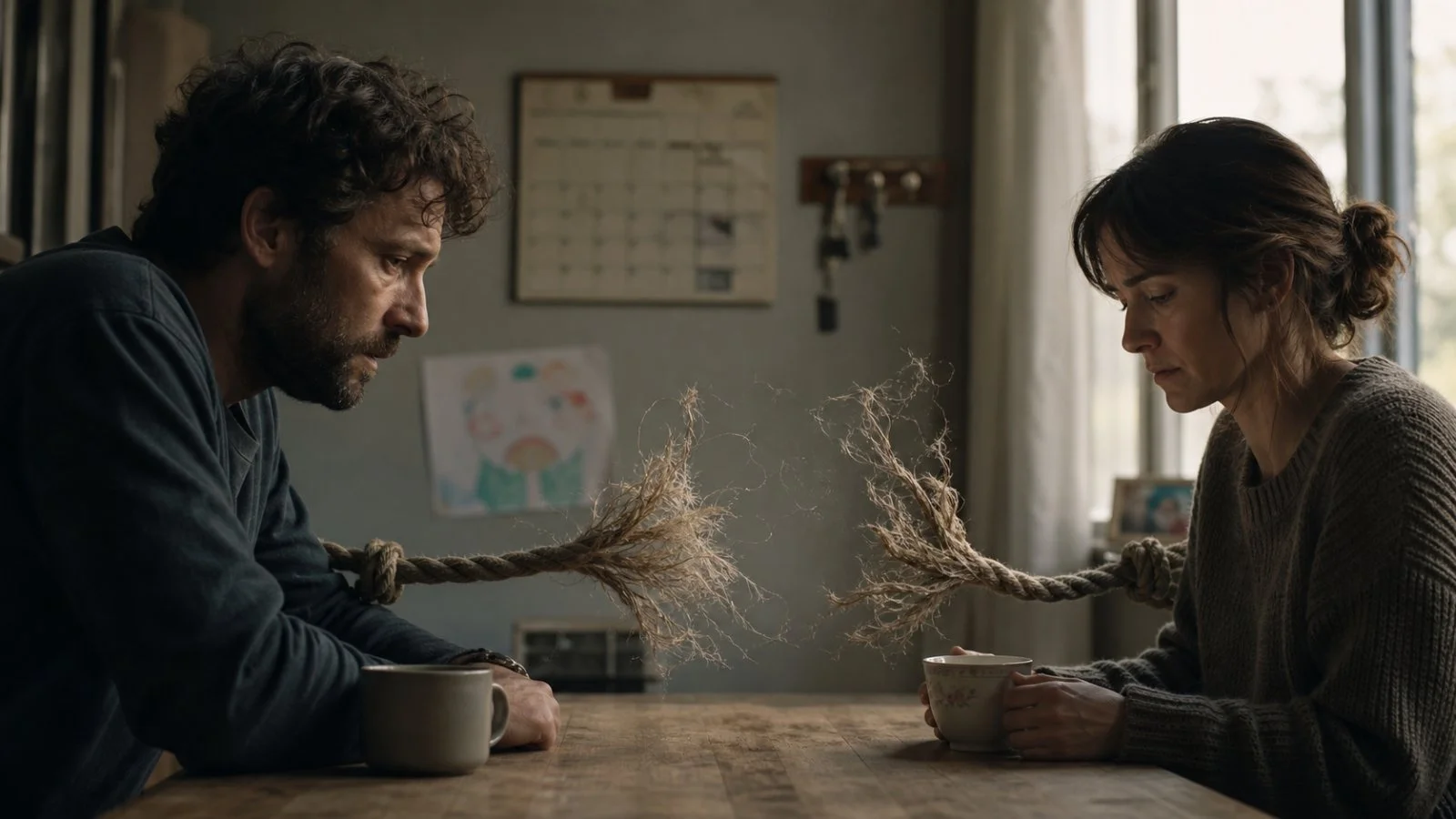
The quiet rise of emotional neglect
It doesn’t make much of an entrance. Between the job, the kids, the bills and the grind of the day, you have less to give. Talk becomes a matter of what’s on the calendar and what needs to be done. You and your partner are checking off schedules, not in on each other. There’s no big row, just more days on autopilot and less of a pulse in the conversation.
You see it all the time: both of you in the house, on your respective phones. Time goes by. Being near without really being with is how it is. Put in enough of that and you’ll find yourself isolated, for all the world to see a perfectly fine relationship.
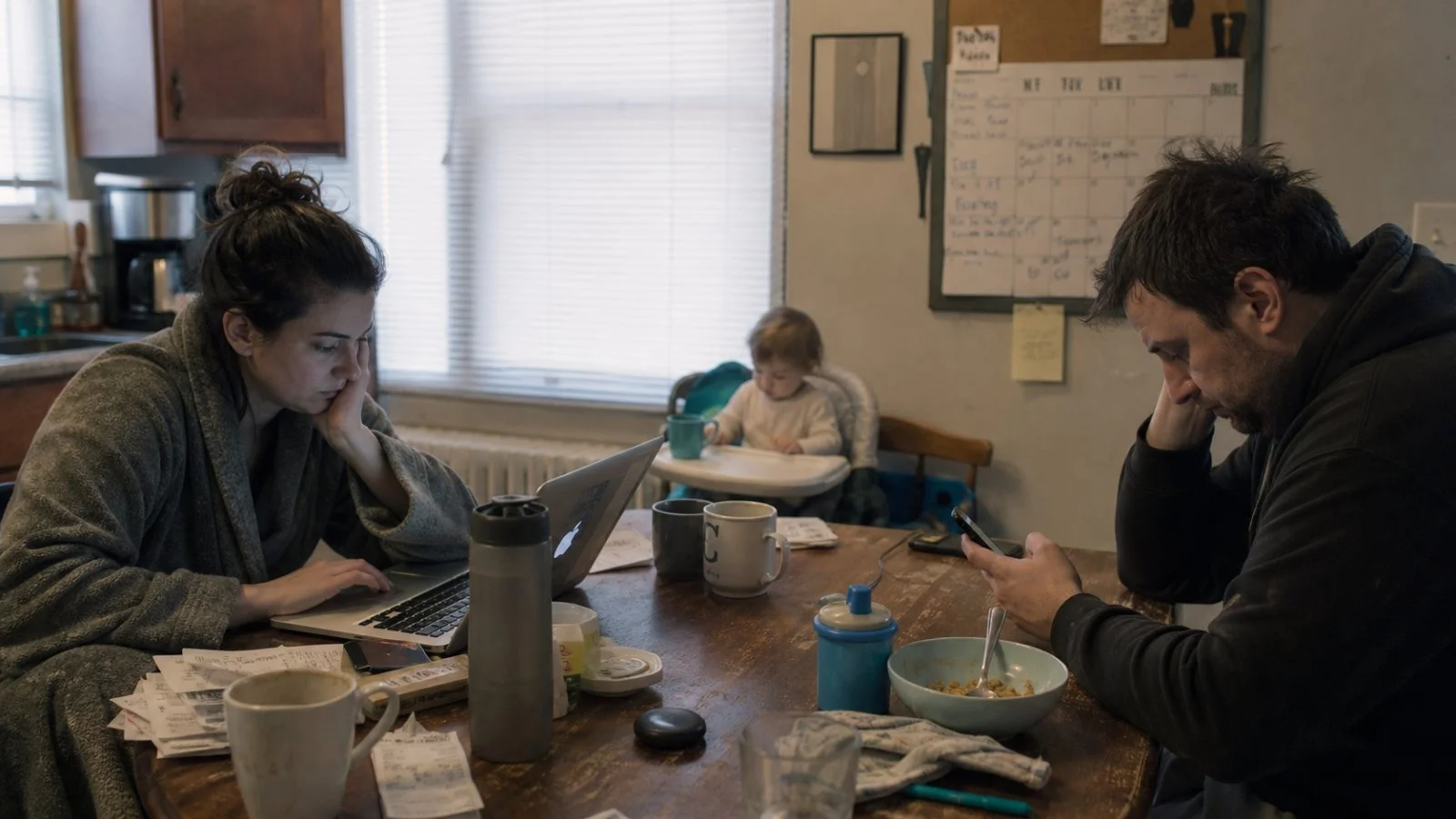
The digital illusion that masks disconnection
The internet has us in touch with everyone, but don’t let the volume of it fool you. A lot of likes or a fast text back don’t mean you’ve got some empathy or vulnerability in there. One is not the other.
You can put out to the world, talk to your colleagues, and get in the door to your spouse and still be invisible. It comes down to whether someone is actually with you in the feelings behind the message.
Some in the field will have you not confuse a busy inbox with being intimate. Think of it this way:
– You’re in constant communication, but there’s nothing to it
– Quick to answer in the day, far away in the evening
– All show in public, none in private
Attachment theory explains why it hurts so much
In the words of Attachment Theory, we are our partners’ emotional moorings. We go to them for a bit of reassurance. When you don’t get it, the whole system gets going and you start to put up with questions you didn’t have before.
You ask yourself if they still do, why things don’t flow like they used to, and where this is coming from when you’re not alone. It’s not a matter of the clock; it’s that the emotional side has gone down.
And that has a cost. If you look at the numbers, being on your own emotionally is tied to more stress, a lower mood, and not as much to be happy about. We need to connect to keep in check. When we can’t, even the most solid of setups can ring false.

A relationship can look fine and still feel empty
Being lonely doesn’t necessarily mean the love is gone. You can have a couple that gives a lot of care and yet has trouble being there for one another on an emotional level. It happens. Between the stress, the burnout, old scores to settle and the weight of it all, you don’t always have the room to make a connection.
To an observer, they look fine. The affection is there, the commitment is in plain sight. But under the surface, with intimacy on the wane, things don’t feel as secure or as open. The tie between them frays while the day-to-day goes on.
Social contact is not the same as emotional connection
There’s a notion that if you’re in the company of others, you can’t be lonely. But psychology makes a hard line between social loneliness (not having any contact) and emotional loneliness (not having any real bonds). You see it all the time: people with packed schedules who are still starved for being put in a position where they are truly understood.
What you end up with is small talk over errands and habits instead of any real talk about what you’re afraid of or what you’re going through. Your relationships work, but they don’t feed you. You can be well connected and still be a stranger to the people in your life.
These days it’s worse. We have more pings and fewer long talks. We put out our best side and keep the hard stuff to ourselves. The persona gets the likes; the person behind it is left in the dark. And that kind of invisibility is what cements loneliness, even with friends and followers.

What eases the gap, according to psychology
Emotional distance isn’t a relationship-ender. Intimacy has its tides; it comes and goes with life and stress. The question is whether you still have some of the fundamentals: security, the ability to be responsive, and a way to have a conversation that means something.
When those are in place, you can be in a room with someone and not feel alone. When they aren’t, you can. A single good talk will do more for you than a hundred half-hearted ones.
It comes down to knowing what you’re missing. Most of us don’t need more to-do; we need to be seen. Being heard and let in is what turns a hollow experience into a connection.
Here is how you might spot it, even when you’re not by yourself:
– The talk is all business
– No one is inquiring after how you feel
– Your partner is in the room but in their phone
– You have support, but you don’t feel like they get you
Why it is an issue today
With the way work and tech have bled together, we mistake a fast response for being close. A text back is nice, but it doesn’t equal being known. Let that go on and it chews at your mood and your sense of where you fit in.
It has a toll on the relationship too. If you can’t be emotionally available, you and your partner can’t weather things as well. The little things become a lot. The house doesn’t feel like a refuge anymore.

So what now?
The upshot from psychology is a mix of reality and optimism. You can be in the thick of it and be lonely, and you can be less so if you pay attention to what you need. It’s not about having your calendar in order; it’s about being there.
You’ll know when the link is thinning: the check-ins drop off, you hear more about the task and less from the heart. Acknowledging that is how you turn it around. You don’t want more of a ruckus, you want to be more aware.
In the end, you don’t fix loneliness by making a list of people to be with. It goes away when someone sees what the list doesn’t. For a lot of us, the whole difference is in the asking, and then actually listening to what is said.