You could call it a spike in the parasitic bug that brings on ‘explosive’ diarrhea, and it’s got US health authorities concerned as we get into the season of get-togethers. So far, the CDC has put 145 home-grown cases on the books in 17 states; 20 have been to the hospital, but no one has died. New York is where you’ll find the most of them, with Texas and Illinois not far behind. Contaminated food is the likely culprit.
Why this outbreak matters now
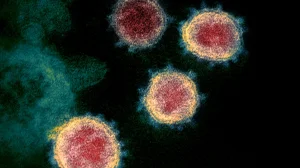
We’re talking about an infection from a tiny parasite, Cyclospora cayetanensis, and it’s normally a matter of food or water that’s been fouled with faecal matter. In most of these instances, the patient hasn’t been out of the country, so we’re looking at a source right here.
Then again, a lot of folks will just make it through without ever getting tested, so the numbers we have may not tell the whole story.
The CDC and FDA are after several clusters of cases, but they haven’t put their finger on one big, country-wide event to tie them all together. You see these kind of run-ups in the spring and summer, and they often have to do with fresh stuff like berries, lettuce, or herbs like cilantro and basil.
Where cases are rising
It’s a bit of a hodgepodge when you look at the state reports. New York is in the vanguard, but Texas and Illinois have been hit hard too. We’re also seeing some in Pennsylvania, New Jersey and Connecticut.
And then there are the ones in Alaska, Colorado, Florida, Georgia, Louisiana, Massachusetts, North Carolina, Ohio, Tennessee, Virginia and Wisconsin. They’re keeping an eye on it as the word comes in.
Michigan is something else. Once they turned up a case in late June, they were on to more than 170 in short order – a far cry from the 50 or so we had last year. Those state numbers have even been ahead of what the CDC is putting out, which can be a month or so behind when things are moving fast.
Not person-to-person
This isn’t the kind of thing you catch from someone. It’s in the food and water. So tracking back to where it started is key, particularly with how convoluted the supply chain can be for some produce.
How to recognise cyclosporiasis
You might not feel it for a couple of days to two weeks after you’ve had some bad food or water. If you don’t treat it, it can be with you for a while, and you might have a few good days before it comes back.
For the most part it feels like any other case of food poisoning, only the diarrhoea is worse for it. We’ve had at least 20 in the hospital for it. The patients we’ve seen in the reports are anywhere from 5 to 86 years old, with 42 being the median.
If you’re wondering what to be on the lookout for, here are some of the telltale signs:
– Diarrhea that is watery or ‘explosive’
– Cramps and pain in the stomach
– Nausea, maybe some vomiting
– No appetite
– Bloating and gas
– A general sense of being run down or weak
– Some unexplained weight loss
What to do if you come down with it
A 10-day course of an oral antibiotic like trimethoprim-sulfamethoxazole (you’ll find it under the names Bactrim, Septra or Cotrim) is the usual way to handle cyclosporiasis. If your diarrhea won’t quit, it’s time to see a doctor and put in for a test.
Left to its own devices, the illness can drag on for weeks. But getting in early can put a stop to it and stave off things like dehydration.
We don’t always have hard numbers on how far this has spread because a lot of cases never make it to a lab. A quick diagnosis is the only way for officials to put two and two together and figure out which food might be to blame.
What you and the authorities can do
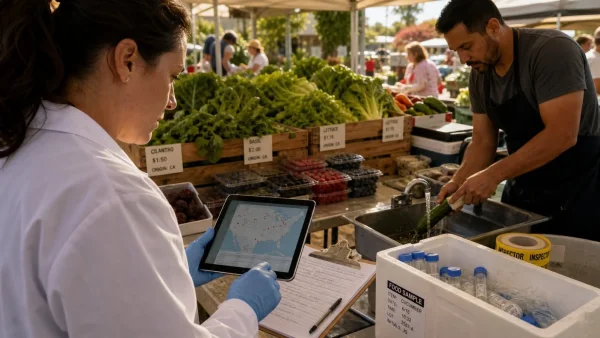
Right now, teams at the federal and state level are sifting through patient stories, receipts and lab work to find the common thread. In the meantime, there are easy ways to cut down on the risk when you’re dealing with fresh produce.
Here are a few rules of thumb:
– Put in the effort to wash your fruits and veg
– Give hard items like melons and cucumbers a good scrub
– Don’t let pre-cut produce sit out
– Be on top of your hand washing
You can’t just rely on the chemicals in your water to get rid of Cyclospora. Rinsing and keeping things cold is about as good as it gets for what’s on the surface of your food.
Agencies will probably put more cases on the books as we go through the summer – it’s par for the course. What has people a bit more on edge is that so many of these are being picked up right here at home.
It’s also hard to put out a clear message when you can’t point to one particular food. So rather than a broad warning, you’ll see officials zero in on specific clusters to confirm or dismiss any ties.
If you’re in a community with a big event coming up, don’t ignore it. Severe, long-lasting diarrhea after a meal of fresh food? Hydrate, take it easy and call your doctor. The sooner you get tested and treated, the better.
For the folks in the restaurant and grocery business, stick to the book. Wash well, store it cold, and keep raw and ready-to-eat foods apart to avoid any cross-contamination.
All in all, it’s not complicated: you can still have your produce, but be a little more careful with it. And if you feel sick, don’t just tough it out. We have a way to treat it, and every report helps us close in on where this is coming from.
One thing to put your mind at ease: it doesn’t pass from one person to another very readily. You can look after a family member without worrying, provided you’re on top of your hygiene.
We’ll have new figures and maybe some answers on the source as the season wears on. For now, be aware, be clean, and if the runs don’t let up, get some help.