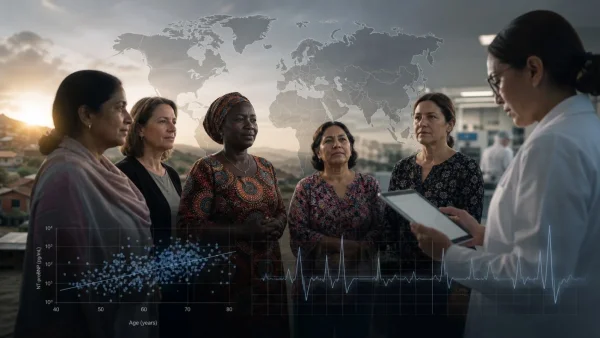
You can put a number on it. A large-scale study puts the risk of heart attack and stroke as much as 40% higher for women whose menopause comes early. But it’s not an equal playing field. In places like India, for instance, you see more South Asian women hitting menopause ahead of their counterparts in richer parts of the world.
It should be no surprise to anyone that the age of menopause is more than a matter of reproduction. It is a tell-tale sign of what’s in store for your cardiovascular system, and one that is worth the attention of doctors, families and the likes of public health programmes.

What the new Lancet study found
If you look at the numbers, they don’t lie. After sifting through data on 1,11,619 women in 26 countries, the researchers made a link between an earlier menopause and a greater chance of a major cardiac event. We’re talking a 14% uptick in risk if it happens in the 40-44 range, and 27% if it is premature, under 40.
Cast a wider net at cardiovascular disease and the picture is even starker. Women with an early menopause have a 30 to 40 per cent more to worry about than those who get there around 45. And this holds true no matter where you are or who you are, which is why early menopause is seen as a risk in its own right.
The work is based on the Prospective Urban Rural Epidemiologic cohort. They put 125,073 women from 28 countries, all between 35 and 70, under the microscope. Of the 60,669 who were post-menopausal, 5,750 (9.5 per cent) had a premature case and 9,262 (15.3 per cent) an early one. The rest, 45,657 of them, came in at the norm.
South Asia and India stand out
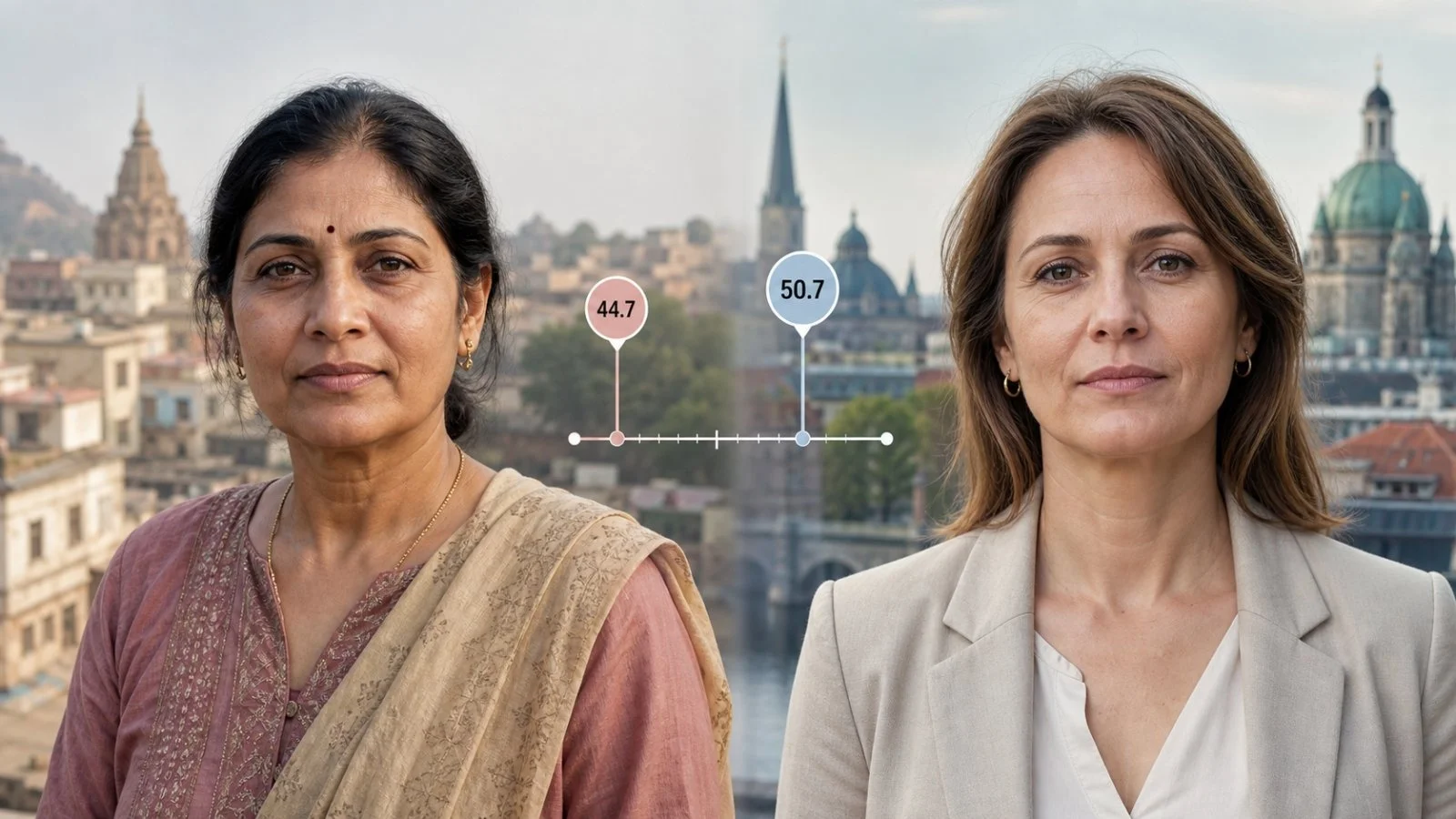
World over, the average woman is 47.4 when she reaches menopause. Not so in South Asia, where the figure is 44.7, and in low-income nations at 44.8. Over in Europe, the average is 47.8; in high-income countries, 48.
Compared to a European woman, a South Asian has a 34% higher shot at premature menopause. You will find half of South Asian women have been through it by 47.4. For a European, the median is 50.7.
In low- and middle-income countries, the risk of a premature menopause is 53% more than in the well-off nations. Half of them are done with it by 47.5, as opposed to 50.6 in the wealthier set.
India’s results were hard to miss. Out of 7,872 Indian women in the study, 1,445 – 18.4 per cent – had a premature menopause, with an average age of 44.6. Then there were 1,991 (25.3 per cent) with an early one. All told, 3,436 women, or 43.6 per cent, had either.
Why timing matters for the heart
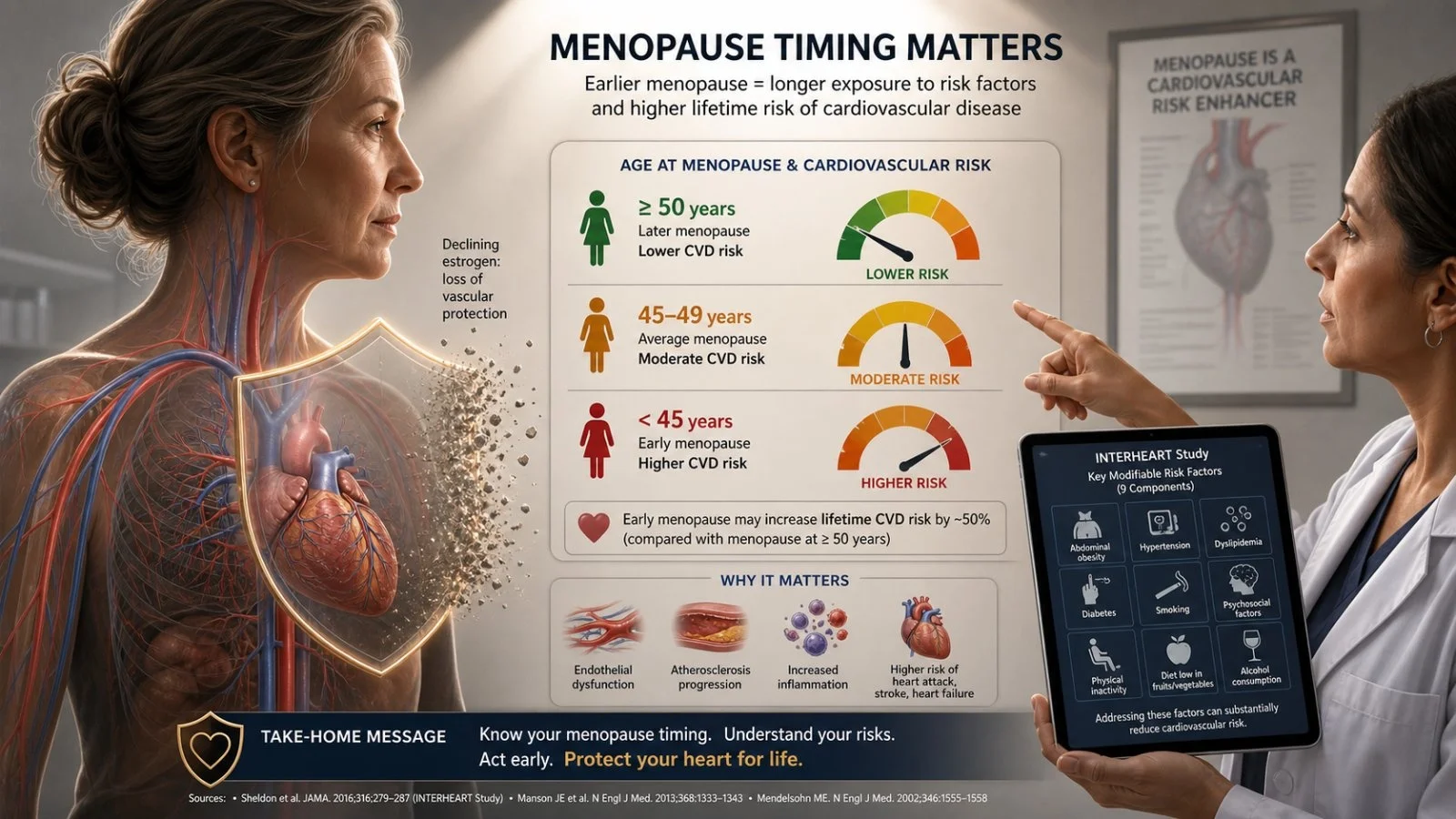
“Up until menopause, female sex hormones are doing some of the heavy lifting to keep the heart and blood vessels in good shape,” says Dr K. Srinath Reddy. “They have an effect on everything from blood lipids and how fat is carried to inflammation and how the vessels function.” Once you’re past menopause, that shield is gone and your risk is on a par with a man’s.
Dr Simone Marschner, who led the study, is quick to point out that an early menopause can mean more heart trouble down the road – we’re talking heart attacks and strokes. And when you see the same trend in different parts of the world, it’s hard to ignore the message.
To put a number on the danger, the team turned to the INTERHEART score. It’s a way of looking at everything from smoking and blood pressure to diet, diabetes, and even your state of mind. In all, these are the kinds of things you can change, and they make up over 90 per cent of the risk for a heart attack, no matter where you are or what your background is.
Modifiable risks and everyday exposures
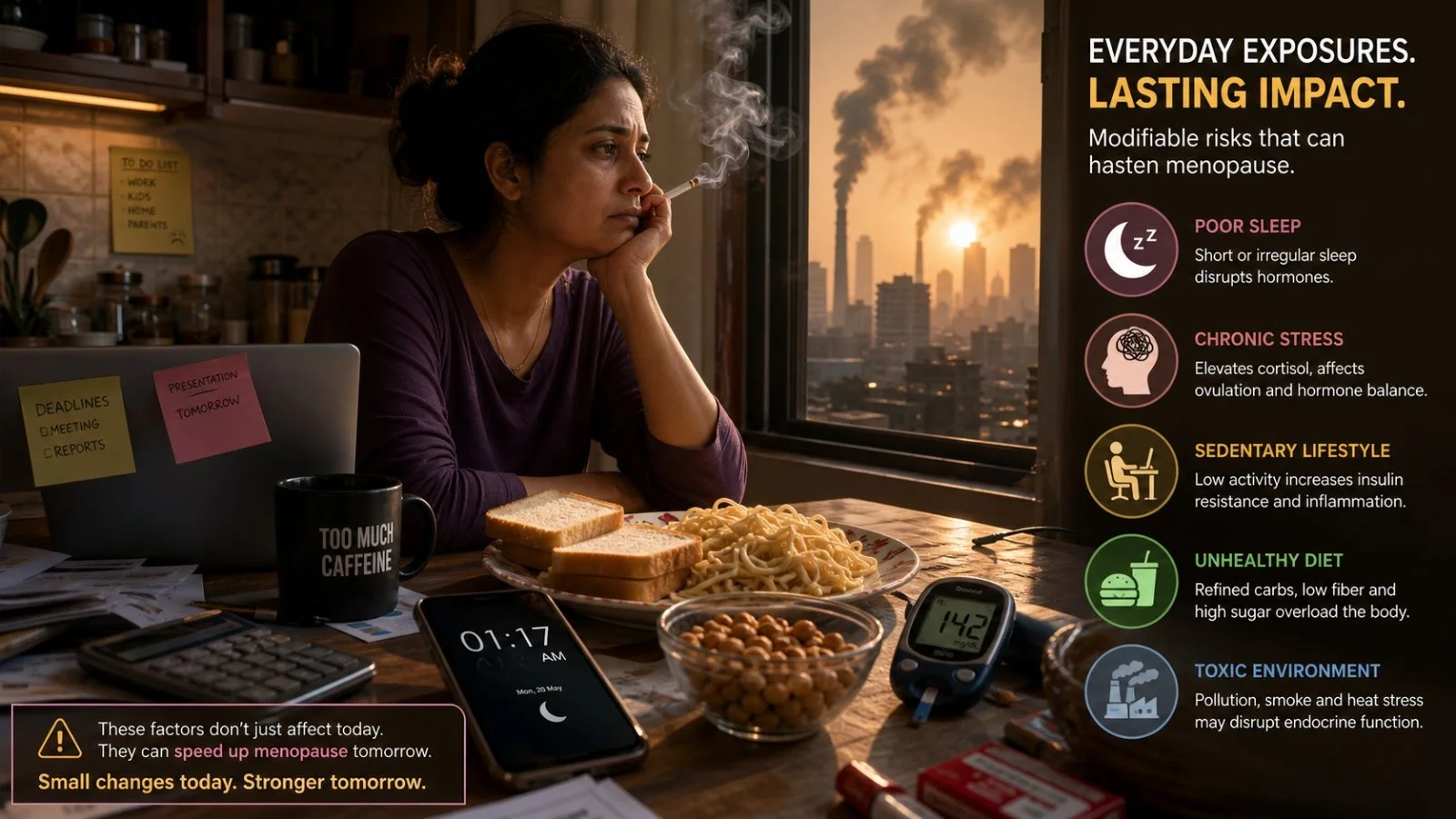
There are some things in your day-to-day life that can put you in for an earlier menopause, says Dr Reddy. Smoking is the big one; even being around a man who smokes has an effect. Then you have stress, not enough sleep, and a diet that’s too heavy on refined carbs and light on fruit and legumes. Pushing your body too hard with exercise is another factor.
He also puts endocrine-disrupting chemicals and the kind of heat we’re seeing with global warming on the list as things that can age the ovaries. And if you have diabetes, you’re more likely to see menopause come on before its time. All of this comes down to the neuro-endocrine and gut-brain systems, which are very much at the mercy of your environment and what you eat.
Some of the exposures the experts have zeroed in on:
– You smoke, you’re at risk
– Second-hand smoke can speed things up
– Refined carbs in your diet are no good
– Not enough legumes or fruit
– Poor sleep throws off your hormones
– Being either too sedentary or overactive is a problem
– Pollutants that mess with your endocrine system
– Heat can be hard on the ovaries
– Diabetes and the odds of an early menopause go hand in hand
Rethinking screening and policy
You might be surprised to learn that in many low- and middle-income countries, you’ll find more major cardiovascular events, even though there’s less obesity and high blood pressure to go around. The researchers put some of that on air quality, what people are eating, and even a lack of education and muscle strength.
In India, public health expert Arundhati Muralidharan has seen some work pointing to anaemia, early marriages, and having a lot of children as possible reasons for when menopause hits. But she wants to see more solid clinical data to get a handle on how this plays out in different regions and income brackets.
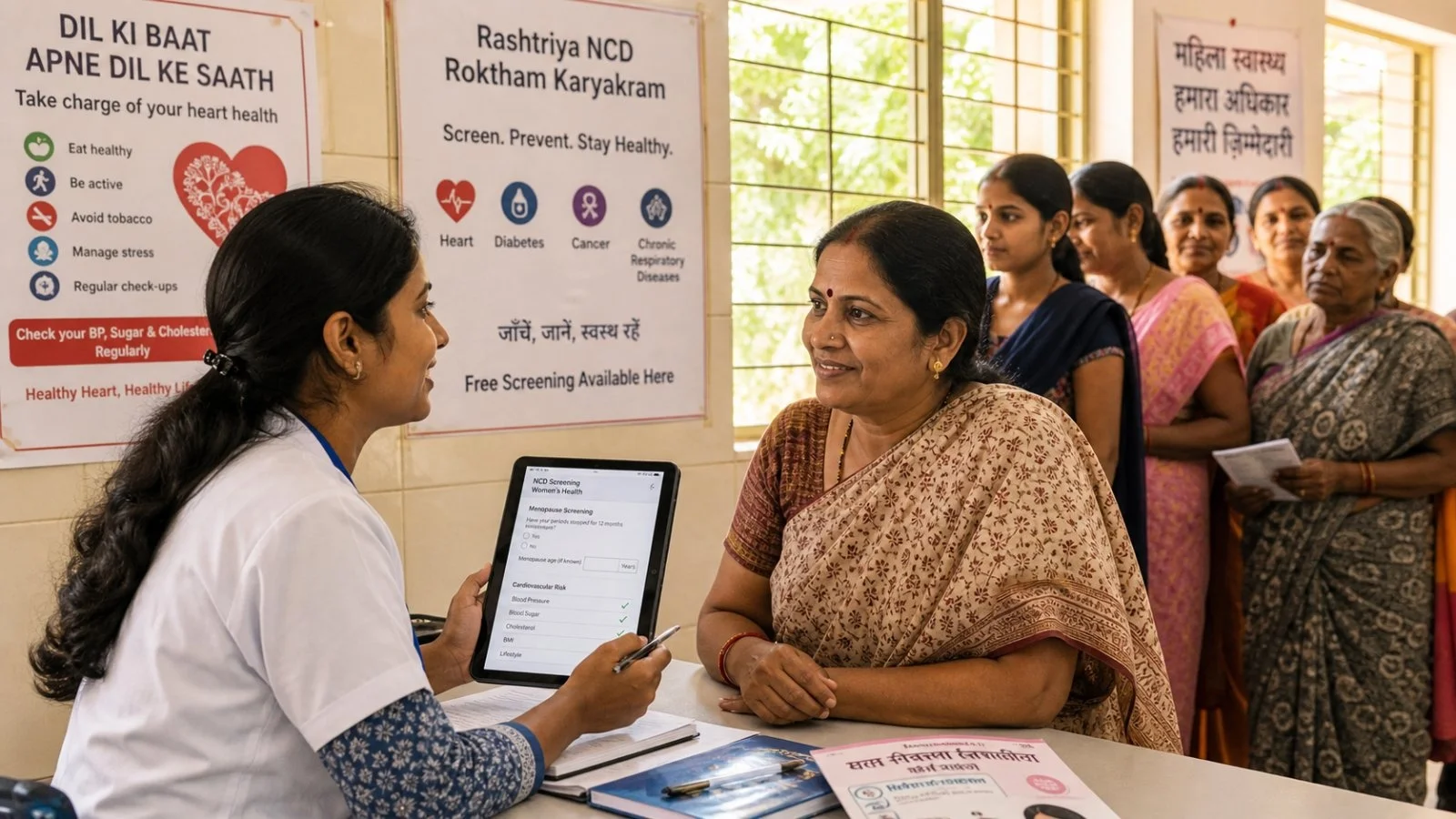
We have big programmes in place for diabetes, cancer and the like, but you won’t often see a woman’s menopause age come into the equation, Muralidharan says. If we wove that kind of screening and some basic awareness into what we’re already doing, we could spot the ones in the most danger.
So what do the experts say we should be doing?
– Make a note of menopause age in the course of normal care
– Put a flag up for CVD screening if it was premature
– Some counselling as part of NCD services
– Don’t just treat the symptoms, look at the risks
At the end of the day, it’s a matter of society. A lot of what causes us to age prematurely is within our power to stop, Dr Reddy says, provided we have policies that back us up in making better choices. Less stress on a woman means a healthier heart.
For a doctor or a family member, the advice is straightforward: look at when menopause happened the way you would a blood pressure or a glucose reading. If it was early, don’t put it off. Get the checks done, be more hands-on with lifestyle and make sure you follow up.