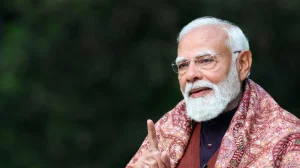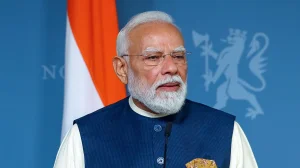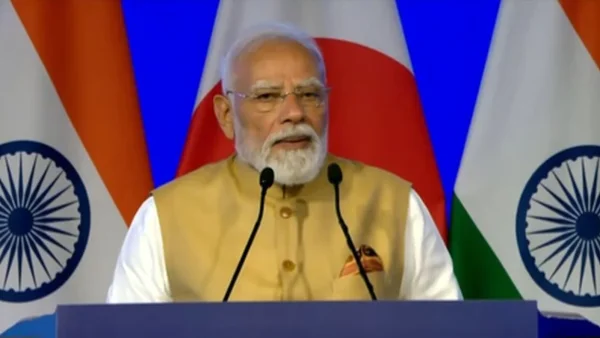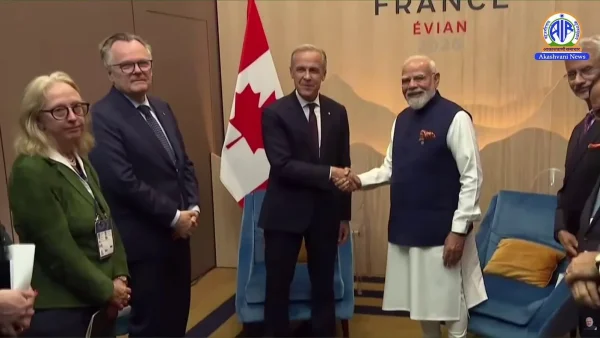
Over in Evian, France, the two sides used the G7 to move past a quiet thaw and make a conscious reset. On the sidelines, Prime Minister Narendra Modi and his Canadian counterpart, Mark Carney, put together an agenda that puts results first. They want to see what has been built up over the last few months stick, be it in trade, people-to-people links or anything in between.
A pragmatic reset at Evian
There is a certain logic to it: you want to open up for business but also for something more. The Ministry of External Affairs says the leaders have been over the numbers and are looking to fortify ties in everything from innovation to commerce and beyond.
Modi was quick to point out this is the fourth time they’ve sat down in under a year; he sees it as purposeful, not for show. In 2023, things were at an all-time low after some accusations from then-PM Justin Trudeau. But since Carney came on board in March of last year, the repair work has been in full swing.
Trade and energy take centre stage
You can see the new supply lines in the making. When Carney was in India in late February and early March, they put pen to paper on some important deals for uranium and other minerals. It’s good for India’s long-term plans and for Canada’s side of the ledger as well.
The mood has been positive ever since. A note from the PMO in Canada said they were pleased with how things have gone since the prime minister’s trip in March 2026. Now it is a matter of turning that into a proper trade deal and some market access.
CEPA timeline and market access
Both governments are on the same page about wrapping up the Comprehensive Economic Partnership Agreement by 2026. You have had some high-level contact already, like the Indian Commerce Minister in Canada, and later in 2026 a trade mission will come to Delhi from Ottawa, with Maninder Sidhu at the helm.
If you are in business, the word is to expect some firming up of policy in 2026 as they try to put down roots for supply chains and capital. It covers the works: services, clean-tech, merchandise and more.
Security and technology frameworks expand
It is not all about the bottom line, though. They have agreed to start talks on a General Security of Information Agreement. You need that if you are to share information in any meaningful way as the defence and tech side of the relationship grows.
They have been in touch with one another, as when the National Defence College of India made a foray to Canada. From there, you can expect to see more in the way of small modular nuclear reactors, renewables and even in the classroom.
The Canada-India Talent and Innovation Strategy is where you will find the plan for skills and institutional linkages. And in a nod to the wider world, Modi let it be known that India is on board with Canada as a Dialogue Partner of the IORA, which brings the Indo-Pacific into the mix.
Why this matters now
For one, it is a reset with some substance behind it – we are talking about uranium and a 2026 date for CEPA. For another, you have to have trust to do business in defence and secure tech, and that is where mechanisms like GSOIA come in.
Then there is the new Raisina Americas platform. It is a way to keep the conversation going outside of just the usual bilateral channels.
What you can expect to see in the coming months:
– CEPA to be done and dusted in 2026
– Some GSOIA negotiations to get underway
– A trade mission from Canada to India in 2026
– More on the skills and education front
– India putting in a good word for Canada at IORA
– The launch of the Raisina Americas
What to watch ahead
It will be in the doing. The pacts on uranium and minerals are a head start. The talent and education piece is something both want to see grow, so that could pick up speed.
In the end, you can have all the right signals, but it is the follow-through that counts. With a 2026 target for CEPA and a security deal in the works, the India-Canada story has a schedule now. Judging by the tone in Evian, both are in it for the long haul.