The commerce and industry ministry said that India and Israel will hold the next round of talks for the free trade agreement, or FTA, in May of 2026. This follows the first four days of talks – from February 23rd to 26th – in New Delhi, which people involved said were helpful and looking to the future. The two sides also said they would keep in touch using online meetings between the full rounds of talks.
What the first talks covered
In the first round, those negotiating went over a lot of the areas that make up up-to-date trade deals. They talked about trade in products and services, where products come from, health and plant rules for trade, and technical problems with trade. They also looked at customs ways of doing things, rights to intellectual property, and digital trade.
Those in charge of the talks showed they were being sensible about issues that often make talks slow down, like what products should meet as standards and making customs easier. The talks were trying to balance letting companies into the market with rules to safeguard health, safety, and companies within the countries. Both groups of people sent to negotiate stressed how important it was for businesses to know what to expect and to be able to rely on things.
The economies, and what industries could do well
In the 2024-25 fiscal year, the two countries traded $3.62 billion worth of products – India sold $2.14 billion and bought $1.48 billion. The negotiators pointed out that there was a lot of potential in machinery, chemicals, cloth, farming, medical tools, and new technologies that hadn’t been used yet. It is hoped that the FTA will make a more reliable framework for trade, and open up these chances.
For those who sell to other countries and investors, a well-made FTA can lower how unsure tariffs are, make rules of origin simpler, and cut the costs of following rules. Along with the investment treaty the two countries already have, the FTA could make it easier to get into the market and get money to flow both ways.
How the talks have gone in the past, and when they will happen
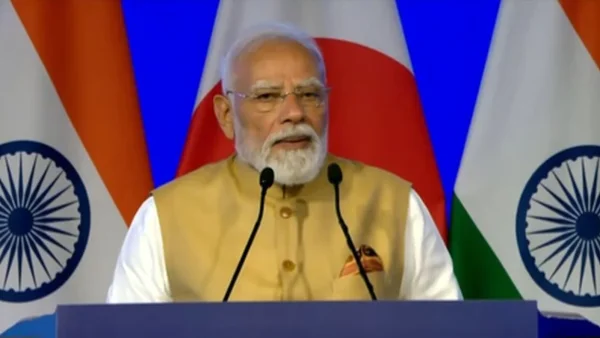
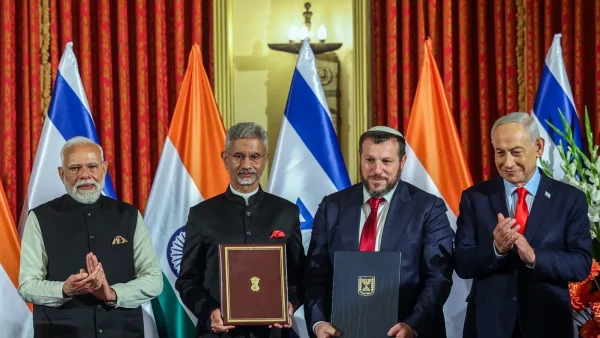
India and Israel had eight rounds of talks on a similar deal before, with the last one in October 2021 before the talks stopped. These current talks started again after the two sides signed what they would be working on – the terms of reference – on November 20, 2025, and after a state visit by India’s prime minister gave the talks new life.
People in charge of the talks plan to keep things going by having online meetings between the full rounds. The next in-person talks are to be in Israel in May 2026, giving a clear goal to make progress on the things that haven’t been settled, and on technical issues.
Political support and working together
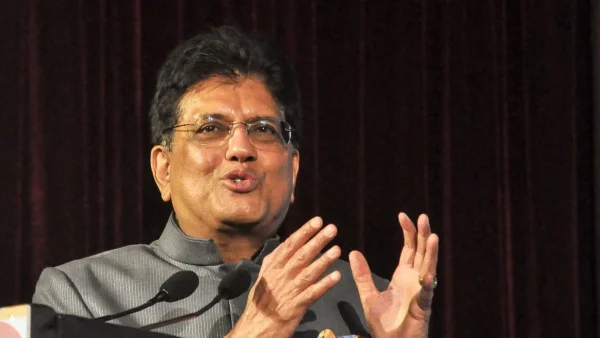
The talks have been helped by strong support from top politicians. During the state visit, leaders asked for a bold FTA to be finished quickly, so the commercial promise of the partnership could be kept. India’s commerce minister met the Israeli group sent to talk, and stressed close working together to make trade, new ideas, and growth links stronger.
This political support can help with technical disagreements, but those negotiating still have to make up differences in what people at home are sensitive about, rules, and what industries should be a priority. Having agencies work together in a planned way will be very important to turn political will into real results.
What’s next, and what it means for businesses
Between now and May, teams will work on the wording of hard areas like health rules and digital trade. Businesses should watch tariff lists, rules about where products come from, and suggestions to make customs simpler, so they can get ready for changes in the market. Those who sell from farms, cloth, and medical tools may find new chances if access is given to them on good terms.
If it is full and fair, the FTA will give more certainty to trade across borders and could make joint ventures in technology and making things happen. Those who make policy will face choices between opening the market and protecting industries at home, so putting things in place step by step and safety nets may be in the final texts.
In short, the May talks in Israel are a key next step in the India-Israel FTA talks. Keeping up online engagement, having clear times, and having constant political support will decide if those negotiating can turn what they want to do into a practical deal that makes trade and investment between the two countries better.