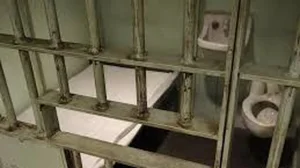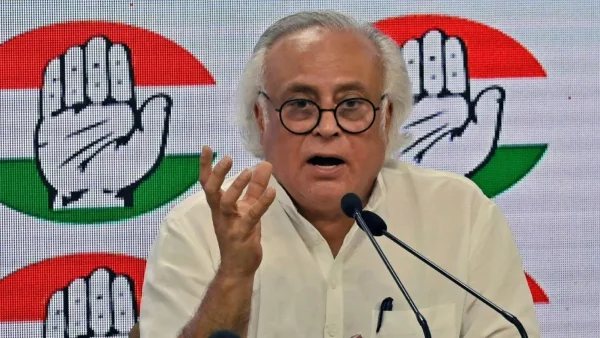
On Friday, the Punjab Assembly passed the Punjab Prisons and Correctional Services Bill, 2026, to update how prisons are run and what they’re like, specifically with the goal of helping people change their lives. At the same meeting, they approved the Societies Registration Bill 2026, to make societies across the state more transparent and accountable.
Ravjot Singh, the Jails Minister, introduced the prison changes during a special session in Chandigarh. He explained that the bill will replace old, outdated rules from the time of the British Empire with a modern way to correct people’s behavior. He emphasized the move away from simply holding people in prison, towards helping them change, get back on their feet, and become part of society again.
What the prison reforms bill changes
The Minister stated the law provides a complete and kind plan for keeping prisoners safe, while respecting their dignity and basic rights. Education, job training, developing skills, and counseling for mental health are all priorities to help with lasting re-entry into society.
The plan is to make it less likely people will commit crimes again by giving prisoners skills to get jobs and support for their mental health. Singh said the goal is for prisoners to be able to return to society as people who follow the law.
Classification and care for vulnerable inmates
Prisoners will be put into groups based on how old they are, their gender, what crimes they’t committed, and how likely they are to re-offend. This is to make the help given to each prisoner more suited to their particular problems and dangers.
There are specific rules for women, transgender people, older prisoners, and people with disabilities. The bill stresses their safety, dignity and well-being by providing special facilities and help.
Security upgrades and accountability
The bill suggests special, very secure prisons and separate areas inside current prisons for dangerous, long-term criminals and those involved in organized crime. Security will be improved to stop illegal activity and keep order.
Modern surveillance will be used, including monitoring using artificial intelligence, recognizing people by their bodies (biometrics) and advanced scanning. Singh says this will deter smuggling, track where people are, and improve how quickly they respond to incidents.
Key security and oversight measures outlined in the bill include:
– High-security prisons and high-risk zones
– AI-based monitoring across sensitive areas
– Biometric identification for secure access
– Modern scanning technologies for contraband checks
– Structured inspections and grievance redressal
The bill also creates official ways to inspect prisons, deal with complaints, and provide supervision to improve openness. The Directorate of Prisons and Correctional Services will be strengthened to make sure the rules are followed and things are managed well throughout the state.
Upgrades to inmate welfare and services
Healthcare, cleanliness, legal help and ways to communicate have all been greatly improved. The bill requires prisoners to have proper medical care and mental health services.
Prisoners will be given legal support according to what the Constitution says and human rights standards. Focusing on both well-being and rights aims to create a safer and more responsible prison system.
Societies Registration Bill aims at transparency
The Assembly also passed the Societies Registration Bill 2026 to update the rules for organizations. Sanjeev Arora, a Cabinet Minister, said the rules apply to groups in health, education, sports, helping people in need, and charities.
All registered organizations in Punjab will now be covered by the Right to Information Act, meaning the public can look at them and have more faith in them. Registrars can ask for information and records to make sure organizations are following the rules, aren’t misusing money, and are doing what they say they will do.
The amendment sets out the following requirements:
– RTI coverage for all registered societies
– Registrars can seek records for compliance
– Five-year renewal of registrations
– Re-registration within one year of enforcement
– Uniform, transparent regulatory regime
Why the twin reforms matter
Taken together, these changes fix long-standing issues with prisons and non-profits. The prison bill brings the way prisons are run in line with modern ideas about corrections, while the societies law makes groups that get public money or aren’t taxed as accountable.
Ministers say these steps are necessary to protect people’s dignity and rights, lower dangers in prisons, and make organizations more responsible. They say the result will be safer places and the public having more trust.
What happens next
For prisons, the strengthened Directorate of Prisons and Correctional Services will be in charge of making sure things are done and supervised. Prisons will have to change to fit the new grouping of prisoners, security improvements and better standards for their well-being.
For organizations, all existing ones will have to register again within a year of the new law going into effect. Every organization will have to renew their registration every five years, to show they are still working, have correct records, and that their goals and how they are run are checked regularly.