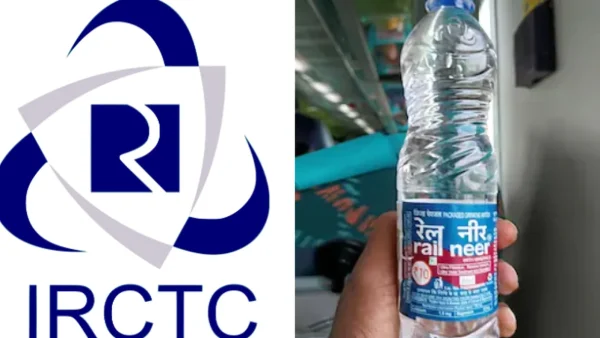
The Commission scolded IRCTC for refusing to say if companies applying for railway work contracts had admitted to being involved in the Rail Neer scam and the investigations by the CBI and ED (Enforcement Directorate). The Commission said IRCTC’s answer to the RTI was not acceptable in law and told them to respond again, this time with a good explanation.
Background of the Rail Neer controversy
The Rail Neer problem began in and around 2015 when investigators looked into private companies that supply water for trains. These companies were suspected of replacing the official bottled water on nicer trains with something else. The government said the railways lost money because of this, and opened legal cases which led to a review of the contracts for catering and what the suppliers were doing. Since then, this situation has been at the center of arguments about how open the process of buying things for the government should be.
The argument now is whether companies applying for IRCTC contracts said if any cases had been registered against them by an investigation agency, including FIR RC-DAI-2015-A-0032 which relates to Rail Neer. The person who asked the RTI wanted to know if the firms told the people in charge of the contracts about investigations, searches, money that had been taken, official accusations, or complaints.
Scope of the RTI request and what was sought
The RTI specifically asked if the companies applying said they were “involved in the well-known Rail Neer scam”, and if the CBI had “started a case (RC-DAI-2015-A-0032) against them”. It also asked about what the ED was doing under the law relating to crimes and stopping corruption.
The person asking for the information wanted details of whether the companies had revealed things like searches, money being seized, accusations being filed, or other complaints from the agencies investigating. The main point was to find out if companies applying for government work were being open, while applying for those contracts.
IRCTC’s denial and the legal rationale offered
IRCTC said they wouldn’t give the information, using Section 8(1)(d) of the RTI Act, which says you don’t have to reveal business secrets, trade information, or intellectual property if doing so would harm another company’s chance to compete. They said they had “clearly told” the person asking and that the first person to review the answer at IRCTC had agreed with it.
Officials said that showing these details could reveal private business information of the companies applying for contracts and mess up fair competition. They mostly used the rule that allows them to keep things secret, instead of explaining how each piece of information would meet the rules for not being revealed.
CIC assessment and requirement for reasoned denial
The CIC said the IRCTC’s response was bad because it just repeated the rule without giving a reason or explaining why it applied. The Commission stressed that just saying a rule applies isn’t enough to follow the RTI law which requires a full explanation.
The Commission made it clear that it is the government’s responsibility to prove the information should be kept secret. They told IRCTC to look at the request again and send a new, explained answer saying why any of the information asked for should or shouldn’t be revealed.
Implications for procurement transparency and governance
This decision by the CIC supports a bigger idea: government bodies must give good reasons for refusing to reveal information, and not just quote rules. This is especially important for government buying, because if past investigations of the companies applying are known, it can affect how well the contract works and how much the public trusts it.
A thoughtful approach would find a balance between protecting the private details of a business and what the public needs to know to make sure government buying is done fairly. The decision might make other government bodies create more legally sound responses to RTI requests that involve investigations into corruption and details about applying for contracts.
Next steps and what to watch for
IRCTC now has to send a new answer explaining any reasons why they are refusing to reveal information and how those reasons relate to the actual documents. If the government again refuses to give the information without a good reason, the person asking can go back to the Commission, or use the courts.
For those who make policies and those who do the actual buying for the government, this case shows that the rules for what companies have to reveal when applying for a contract need to be clearer. And for the public and those who watch what the government is doing, it shows how useful the RTI is for making sure government contracts are done fairly and that claims of corruption don’t get hidden behind the idea of protecting business secrets.