Tim Cook said he’s extremely pleased with the Indian market, pointing to strong sales for iPhones, iPads and Macs, plus more companies adopting Apple. However, Apple’s overall portion of the Indian market is still relatively small, so India is a top priority. The shortages of parts and rising memory costs are creating issues for the company’s work there.
Double-digit growth in India with modest market share
Cook says India presents a massive chance for Apple; it’s the second largest smartphone market and the third largest market for personal computers. Despite doing well recently, Apple still doesn’t have a large share of the market, which means there’s plenty of opportunity to sell more of all its devices and services.
He says the increase in the middle class and people buying an iPhone, Mac, iPad or Watch for the very first time are the main reasons for this growth. Cook adds that most of Apple’s customers in India are new to these products, which is a good sign for continuing to build a large number of Apple users over time.
Tarun Pathak, who leads research at Counterpoint, says Apple’s progress in India is continuing to be strong, with sales increasing by double digits in all areas. For three periods in a row, Apple has been the highest-selling brand in India when looking at the total value of phones sold (over 25 percent), and around 9 percent when looking at the number of phones sold.
Pathak also says that more people than ever before are starting to use Apple products in India. The Apple brand is more desirable in India than ever, and this is increasing demand not just for iPhones, but for Macs and iPads too.
Cook discussed all of this with investors on a Friday phone call. He repeated that Apple has been concentrating on India for a while now, and is still extremely optimistic about its future in the country.
Retail push and enterprise traction
Apple has now opened six of its own stores in India, to make their products easier to get, provide support, and increase how well known the brand is. Cook also says that more and more businesses are using Apple, which is making Apple stronger than just selling to individual customers.
Cook highlighted that the Indian software company Freshworks recently gave over 5,000 MacBooks to their employees. He says this is an important success for Apple’s effort to sell products to businesses all over India.
On the call, Apple highlighted India-facing growth levers that support its long-term strategy:
– Expanding physical retail footprint
– Broadening enterprise deployments like Freshworks
– Growing first-time buyers across devices
Supply constraints and rising memory costs
Regarding how things are going internally, Cook said Apple had difficulty getting enough products in March, specifically iPhones and Macs. This was because the advanced factories making the special chips that power Apple’s devices were limited.
Cook believes shortages will get worse for Macs (including the Mac Mini, Mac Studio, and the new MacBook Neo) in June. More people want these Macs than are currently available, and he thinks it will be several months before the number of products and how many people want to buy them are the same.
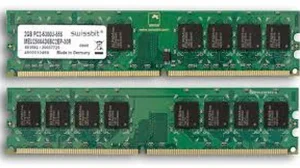
He says the availability of memory isn’t the problem, but the price of memory is going up quickly. The higher cost of memory didn’t really affect Apple’s profits in December and had a moderate effect in March because they had some memory left over from before. Apple thinks the price of memory will significantly affect profits in June, though they have some stock to help with that.
To clarify the near-term picture, Apple flagged these operational priorities and risks:
– iPhone and Mac shortages from advanced node constraints
– Mac supply shortfalls to intensify in June quarter
– Memory prices rising sharply, not availability
– June quarter memory costs significantly higher
– Evaluating options to mitigate cost pressures
Margins hold as services and mix offset costs
Despite worries in the industry about getting enough parts, including memory, storage and advanced semiconductors, Apple still managed to make a good profit. Their gross profit margin (how much money they make after costs) was 49.3 percent, up from 47.1 percent a year before – better than people had expected considering costs were going up.
Experts say Apple managed to make enough money to cover the rising costs by selling a good mix of products, getting a higher average price for what they sell, and having record sales of services. Cook did admit that they didn’t sell as many iPhones around the world as they wanted to, because of the difficulty getting the advanced processor chips.
Leadership transition and what comes next
Tim Cook will become executive chairman on September 1st, 2026. John Ternus, who is currently the senior vice president in charge of designing Apple’s hardware, will become chief executive. Cook says this is a good time to do this, as Apple has had double-digit growth in the first half of the year and has a very impressive list of future products.
He describes Ternus as a very clever engineer, a thoughtful person, a good person, and a natural leader. Cook believes Ternus is the right person to lead Apple as it finds ways to grow and deal with issues with supplies.
Ternus says he’ll continue to be careful and thoughtful when making financial decisions, as Cook has always been. In India, Cook says Apple will continue to focus on getting more people to use their products through their stores and by selling to businesses, and this will be helped by the increasing middle class. They will also continue to manage the shortages of parts and the increasing cost of memory.