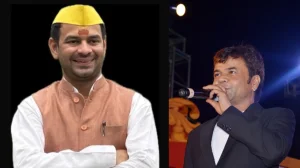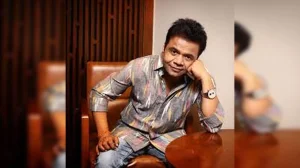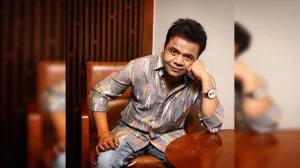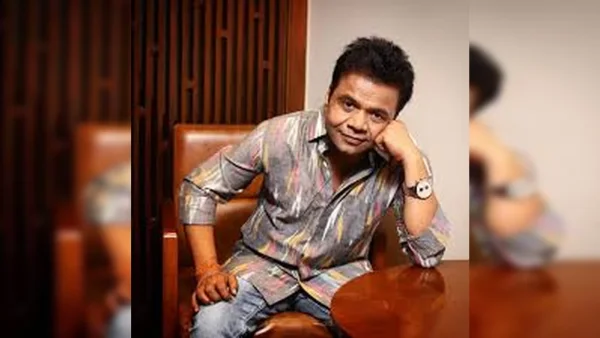
The Delhi High Court will conduct a vital hearing today about Rajpal Yadavs bail request for his ongoing cheque bounce case which involves approximately ₹9 crore. The actor currently in Tihar Jail submitted himself to authorities after a court sentenced him to six months because he did not pay his 2010 film project expenses.
Background of the ₹9 crore cheque bounce case
In 2010 Rajpal Yadav borrowed ₹5 crore from a Delhi-based company to fund his directorial debut Ata Pata Laapata. Yadav failed to repay the lender according to their agreement because the film produced uncommercial results. The complainant took legal action after multiple cheques issued to him failed to clear which resulted in charges under Section 138 of the Negotiable Instruments Act. A magistrate found Yadav and his wife guilty in April 2018 and sentenced them to six months of imprisonment. Yadav appealed his case to the High Court after a Sessions Court confirmed his conviction in early 2019. The accumulated interest and costs raised the total debt obligation to approximately ₹9 crore.
Court orders, undertakings and surrender in 2026
The Delhi High Court suspended Yadavs sentence until June 2024 on the condition that he needed to demonstrate genuine efforts for debt repayment. The bench expected the actor to pursue repayment options and honour court undertakings. The court observed that he breached his obligations multiple times before ordering him to surrender on February 2 2026. Yadav surrendered at Tihar Jail on February 6 2026 and remains in custody while the bail plea is listed for hearing today February 12. He claims that he has no funds available at present but he has attempted to gather resources through various methods.
Bollywood response and industry support for the actor
The film fraternity mobilised quickly after news of Yadavs surrender spread. Sonu Sood who operates in the film industry became the first person to assist Yadav by signing him for a new movie and providing a signing payment. Various film industry members including top actors and musicians made public contacts with the actors family to offer help. The Federation of Western India Cine Employees urged its members to support Yadav framing the response as solidarity for a fellow professional. The industry provides work opportunities and financial assistance to support both immediate legal needs and ongoing income generation which will help fund debt repayments.
Statements from friends and professional circle
Friends and colleagues have defended Yadavs intentions and track record in the industry. Padam Singh who works closely with Yadav explained that the actor created his directorial project with authentic passion and innovative ideas while committing to complete all financial obligations he had. The legal process will determine how this evidence affects public opinion. New film projects together with endorsements provide industry backing which will help satisfy debts because they will generate income to pay creditors. The judges must determine whether these actions meet the courts requirements for enforcement.
Legal stakes, possible outcomes and wider implications
The High Court must evaluate three elements which include violation of agreements and repayment efforts and the critical nature of the negotiated instruments conviction. The court can choose to grant conditional bail or maintain his detention or establish repayment guidelines. The court may also impose safeguards to prevent further default. The hearing will address broader industry issues that extend beyond Yadavs case because it examines how private loans become enforceable and how unions provide welfare and how industry members deal with their responsibilities toward colleagues and the law. The case will likely inform how courts treat similar cheque bounce matters involving public figures. The Delhi High Court will deliver its ruling during the afternoon session. Observations indicate that any relief provided to the defendant will come with conditions which focus on specific repayment arrangements while refusing bail will demonstrate that the court expects compliance with earlier directives. The development of events will be influenced by both industry reactions and public opinion.