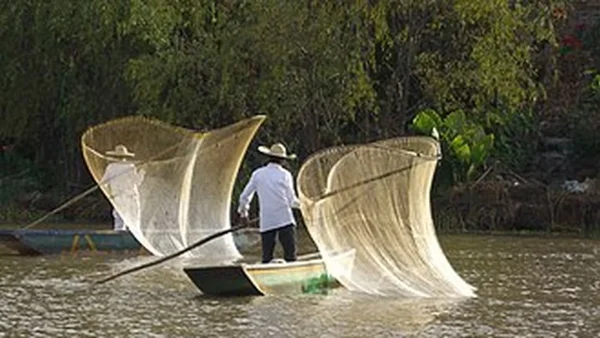
The amount of fishing that people do for recreation in the US is a lot bigger than those in charge of making rules realized, and this difference is important for both food and the environment. By looking at thousands of responses from anglers (people who fish), the new research says freshwater anglers in the lower 48 states catch billions of fish each year, and keep almost as much as the country eats in fresh fish.
The study found people catch between 2 billion and 6 billion fish in lakes, ponds, and reservoirs each year. Even if many are thrown back, the researchers think anglers keep between 230,000 and 670,000 metric tons of fish.
Food security implications beyond the dock
To understand how much that is, this amount of fish people keep is about 20% of all the fresh fish eaten in the United States each year that hasn’t been frozen. For many families, these fish fillets are a cheap source of protein for dinner, not just something people do on the weekend.
The team figured out that the recreational catch is worth approximately $3 billion annually. In contrast, commercially produced and processed fish sold in the US are worth around $12 billion. This difference shows how a widespread, and generally not counted, activity has become a second major part of how we get freshwater fish to eat.
Why official counts missed the mark
Worldwide, reports about fish catches usually focus on the ocean because ocean fisheries are larger and easier to track. Because of this, the only official numbers for freshwater fish caught in the US that are given to the United Nations’ Food and Agriculture Organization are about commercial fishing, mostly in the Great Lakes.
It’s difficult to keep track of recreational fishing. Around 35 million people fish in millions of different places and there aren’t central places to record how many fish they get. State governments do angler surveys, but each state asks different questions and checks different areas.
This mix of different surveys makes a clear national picture impossible. Without a consistent system, information from one state can’t easily be applied to another. As a result, how many fish people are catching recreationally has effectively been left out of national and international totals.
What the new analysis did differently
To fill this gap in knowledge, the research team created one large collection of angler surveys from all over the country. They gathered more than 15,000 surveys from 40 states, and are continuing to get more. Scientists from the US Geological Survey, the University of Missouri, and Louisiana State University all worked together.
The estimates used three things: total catches and fishing time across the nation, how many bodies of water are likely being fished (based on their size and where fishing is known to happen), and what percentage of the fish are not put back in the water. From putting all of this together came the main estimate of 2 to 6 billion fish being caught each year.
Most importantly, the work shows that previous national reports seriously underestimated how many fish are harvested. The researchers say recreational fishing brings in between 17 and 48 times more fish than the United Nations’ Food and Agriculture Organization had previously reported for the US. Even at the lowest estimate of fish harvested, 236,000 metric tons, it’s far more than the previous UN number of 13,388 metric tons. This research is a beginning, not a final answer. The numbers are first guesses, and will get more accurate as more fishing surveys are made comparable and we get a better idea of where and how people fish. Now, though, managers have a starting point to make rules that match how much fishing is actually happening.
Ecological stakes of an overlooked fishery
Not counting all the fish being caught isn’t just a problem with the data, it is bad for the environment. In 2019, a look at nearly 200 lakes in northern Wisconsin showed about 40% of the walleye that people fish for recreationally are being overfished. If that level of overfishing is happening across the whole country, the danger increases a lot.
Just throwing a fish back in the water doesn’t mean it’s unharmed. Fish can die soon after being released, or get injuries and become stressed. These things can lower their chances of having babies, make it harder for them to find food, or make them easier for other animals to eat. All of this can lower the number of fish in a population, even when anglers don’t keep the fish they catch.
If you remove a lot of the big predator fish like walleye, the food chain changes. Small fish populations can get much larger, eat all the zooplankton, and as a result, allow phytoplankton to grow a lot. This can make algal blooms more likely, changing the water quality and how freshwater ecosystems generally work.
Good fishing rules need accurate information about how many people are fishing and how many fish they are catching. Without this, managers might think there are more fish than there really are, and then suddenly face a large drop in the fish population, have to close fishing areas unexpectedly, or have to make stricter rules when it’s too late. This new initial data helps lower how much uncertainty there is.
For many years, recreational fishing has been thought of mostly as a fun activity. These new numbers show something different. Fish caught by people fishing for fun are a significant source of protein for millions of families, and usually at a much lower price than buying seafood at the store.
This makes decisions about fishing access even more important. Changes to how many fish you can keep, when you can fish, or where you can fish affect more than just how much enjoyment people get. These changes can affect whether families have enough to eat, especially in areas where it is hard to get fresh fish or it is expensive.
The study’s estimate of the value of the catch also matters. Recreational fishing is worth around $3 billion each year, and changes in how available fish are will affect local businesses like bait shops, boat launch areas, and small fish processing companies. These effects are not usually included in the official figures for commercial fishing.
The researchers believe their estimates should cause the U.S. to rethink how it measures fish being caught in freshwater. States working more together could put recreational fishing into the same kind of statistics as ocean and commercial fishing.
What should happen next
Because the collection of information is not yet complete, getting more coverage is vital. The research team says they haven’t collected information from every state or body of water. But there is a clear way forward: fill in the missing pieces, ask the same questions in the same way everywhere, and turn lots of separate, incomplete bits of information into a full, clear picture for the whole country.
Here are priorities the study implies for managers and agencies:
– Coordinate state angler surveys under a national framework
– Standardise methods and questions across jurisdictions
– Expand coverage to more lakes, ponds and reservoirs
– Track catch-and-release mortality and stress outcomes
– Integrate recreational harvests into international reporting
If the amount of recreational freshwater fishing in the U.S. has been seriously underestimated, it brings up the same question for the rest of the world. People fish for fun in freshwater all over the globe. The same gaps in information that hid how much fishing is happening in America could be hiding similar trends in other countries, with the same consequences for food, the environment, and managing fish populations.
This research changes the way we think about fishing as a hobby into recognizing it as a large-scale fishing activity that is easy to overlook. With better information, policies can take into account both how many fish are being caught and how fragile the ecosystems are that support those fish. The next step is not to guess as much, but to measure more, so decisions are appropriate for how much fishing people are already doing.