Britain is sending a major warship closer to the Strait of Hormuz, because companies involved in shipping and energy are waiting for a ceasefire. This ceasefire would open a safer route through one of the most important and problematic waterways in the world. The mission can only begin after a strong and lasting truce, but they are sending signals of their intentions.
UK readiness signals a guarded reopening plan
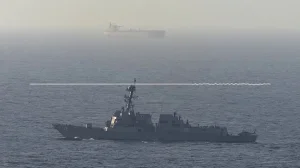
London is moving HMS Dragon to be ready for a European operation to escort commercial ships through the strait when a lasting ceasefire or peace deal happens. HMS Dragon is a Type-45 destroyer, and it can destroy guided missiles.
A representative from the UK Ministry of Defence said that HMS Dragon being moved there is sensible planning. This will mean the UK, alongside France and as part of a group of many nations, will be ready to protect the Strait when it’s possible to do so.
HMS Dragon just finished testing its weapons systems near Crete. When the conflict started, the ship was used to help protect Cyprus, which shows how it’s used for air and missile defence in the area.
Coalition building and what partners may provide
Over forty countries are involved in planning the UK and France military mission and will meet again next week. Officials with the talks say several nations will provide ships to clear mines, escort vessels, and control the air.
France has moved its Charles de Gaulle aircraft carrier to the Red Sea. This was done to clearly show that the coalition is ready to help keep the strait safe when things allow.
Why the Strait of Hormuz matters now
Iran has essentially closed the Strait of Hormuz since the war began with attacks by the US and Israel in late February. The United States has since used its navy to block the waterway.
Roughly 20% of the world’s oil and liquefied natural gas normally travels through this waterway. A good system of escorts would make shipping routes more stable and give insurance companies more confidence, but it all needs a ceasefire to work.
Conflict timeline and latest flashpoints
Britain’s move comes as Iran is considering a new idea from the US to end a war that is now in its tenth week. People discussing the escort mission are careful to say it won’t go ahead without a ceasefire that lasts, or a full peace agreement.
Even though there’s a ceasefire between the US and Iran, trouble happened in the strait this week. On Friday, US Central Command said US forces bombed two empty Iranian oil tankers as they tried to get past the blockade and reach a port in Iran.
What to watch next
How quickly things return to normal for shipping will show how well the plan is working once a truce is agreed upon through talks. For now, these movements of ships are about showing a position, not actually patrolling.
Key developments to track in the coming days include:
– Whether Tehran accepts the new US proposal
– Timing of the next multinational planning meeting
– Additional assets joining the UK-France framework
– Any further incidents challenging the blockade
For ship owners and those who hire ships, HMS Dragon being moved there suggests a possible way to get back to being able to predict passage through Hormuz. For governments, it shows they believe getting into position early can shorten the time between announcing a ceasefire and trade safely restarting.
How well the coalition works together with specific jobs, from dealing with mines to controlling the air, will decide if it’s considered trustworthy. If the ceasefire holds, the UK and France’s joint effort could offer many layers of protection at this important point, without making tensions worse.
For now, the messaging is careful. Ships are moving into place, the way to get supplies to them is being practiced, and countries are coordinating their abilities. The escort mission still depends on negotiations, but the structure to make it happen is being built.