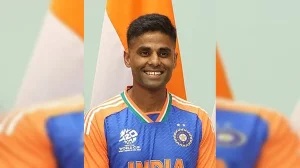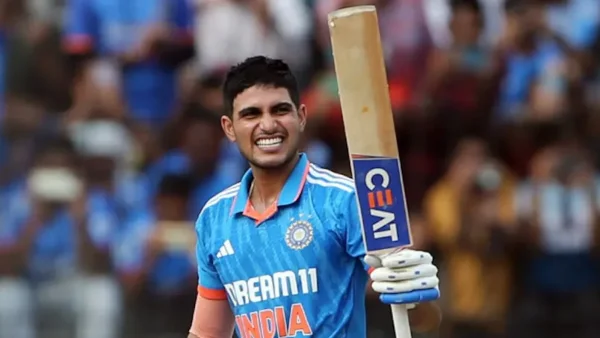
You could call it an inflection point for Gill. In the opening ODI with Afghanistan in Dharamsala on June 13, 2026, he not only became the fastest from India to 3,000 but also put himself in second place in the annals of ODI history. A leader in form, and a plan for what India wants up top.
Why this record is worth talking about
We’ve seen India’s ODI side built on the idea of starting at a high tempo without losing your head. Gill’s numbers back that up. It’s as much a matter of strategy as it is a stat: he can score quickly and manage risk with the kind of temperament you want in a captain, one who is hitting his stride with some regularity now.
The figures from the HPCA Stadium are plain: 3,000 in his 62nd outing against Afghanistan. That is the quickest any of us have done it for India, and it changes the standard for the batters who will be looking to keep up with him.
How he measures up to the rest
There is only one man to have put 3,000 on the board in fewer games. Hashim Amla of South Africa did it in 57. Gill is right there behind him, and well ahead of a lot of the modern greats who had to put in more work to get to the same spot. This is no one-season wonder; it’s the mark of a steady hand.
– 3,000 ODI runs vs Afghanistan in Dharamsala
– 62nd ODI to do it
– Second in the world (Amla has 57)
– Left Shikhar Dhawan’s 72 in the dust
The Indian record he put to rest
Dhawan’s 72-innings mark was good for a long time until Gill overtook it. The captain came into Dharamsala with 2,953 from 61 innings, an average of 55.71, and 47 to go. He put on a half-century and steered the chase when the overs were running short and the pressure was on.
Look at the wider picture and it’s even more impressive. He was already the fastest to 2,500 in 50 innings, edging out Amla there too. Gill doesn’t just meet the bar; he gets there before anyone else does.
Some hard numbers to back it up
The right-hander has a way of being in control and then on the gas. His early stats are well above an average in the mid-50s and the strike rate is in the three digits. You can see why the selectors have his number and why bowlers make mistakes even with a field in place.
Then you have the context. Folks like West Indies’ Shai Hope or Pakistan’s Fakhar Zaman and Imam-ul-Haq all needed 67 to hit 3,000. The names give you an idea of the level. The tally shows where Gill is headed.
What happened in Dharamsala
Rain made for a 25-overs-a-side game, which is a test of nerves. Gurbaz of Afghanistan didn’t hold back, going after the ball from the start for 102 off 51, with 16 boundaries in all. He put them in front with 194 and left India with a job to do.
India’s newer players had their part to play. Harsh Dubey, making his debut, got three for 47 in five, even if he let a few through. Gurnoor Brar was better at the end, 3/27 in 4.5. They did enough to set the stage for Gill to have his say.
Gurbaz’s 102 was the story for a while, but Gill’s run to 3,000 put a different complexion on the day. His fifty made the required rate something you could handle and proved you can have a landmark day and still be the one who wins the match.
For India’s ODI plans, it’s a statement
When you’re trying to find a top-order identity, a milestone like this is more than copy for the papers. It is proof. The way he makes runs and converts them is what you want from a captain who can put the scoreboard to work for you.
Now comes the rest of the series. Afghanistan have the power in the powerplay and we have our wickets with the new ball. Gill's record is a sign of things to come, not an ending. We’ll see if this India can make those personal bests count in the series result.