Three SHOs in Sindh province, Pakistan, are suspended after a police operation using a drone in Khairkur district led to the deaths of four civilians. The Home Minister announced an inquiry on Thursday and, as protesters blocked a national highway, the pressure for those responsible to be punished quickly and for the situation to be dealt with increased.
What happened in Khairpur
Police sent up a drone on Wednesday to find the places where they believed suspected robbers were hiding, in Saeed Lakho village, just outside of Khairpur. Sadly, four civilians died as a result of the operation, according to the police.
After the deaths, people from the Dharija community who were affected protested and blocked the national highway. This caused a lot of problems for traffic and made sure people realized that the police may not have followed the correct procedures.
Inquiry findings and immediate actions
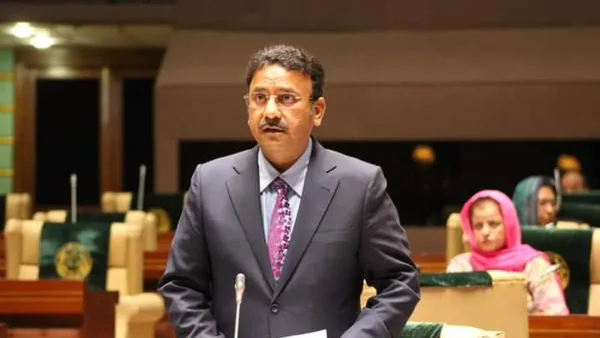
Zia ul Hasan Lanjhar, the Home Minister, stated in Karachi that a team headed by the deputy inspector general of the Sukkur range had immediately suggested the three SHOs in charge of the area be suspended. He also said that the first information suggests that mistakes were made during the operation.
Lanjhar explained that the police used a drone against people they thought were robbers on Wednesday morning. He added that it appears the standard procedures were not followed and four people were killed, and their families say they were just regular citizens.
The minister also said the inquiry has demanded “firm legal and disciplinary action” against the SHOs who organized the operation and flew the drone. The officers have been sent to Karachi while they are suspended and could be arrested depending on what the investigation finds.
Key official steps so far
Authorities have outlined immediate measures:
– Immediate suspension of three SHOs from the area
– Transfer to Karachi on suspension duty
– Strict legal and departmental action recommended
– Transparent, comprehensive investigation ordered
Protests and local fallout
The deaths made the Dharija community very angry, and they blocked the national highway to get justice. This blockage significantly disrupted traffic and showed how quickly the investigation was needed.
Police are asking everyone to stay calm while the inquiry goes on. The government is getting more and more requests to explain who gave the orders and approved the use of the drone.
Use of drones under scrutiny
The Home Minister assured that a full and open investigation is happening. The suspended SHOs may be arrested if they are found to be to blame.
Police in Pakistan have been using drones more and more in the last few years, especially in areas with security issues. This incident makes people question the rules and supervision of using these devices around where people live.
Investigators are expected to determine if the usual procedures were followed and if enough care was taken to prevent civilians from being hurt. Rights organizations and communities who have been affected by operations against robbers will be paying close attention to the findings.
What comes next
The team’s recommendations mean that the SHOs could face both criminal charges and disciplinary action within the police force. What happens next will depend on what the inquiry finds and the proof collected at the location of the operation.
Right now, the authorities say their priority is to make sure people are held responsible and that this doesn’t happen again. Sindh will likely be looking at a careful review of standard procedures, training for police, and how closely supervisors are watching over things as next steps.