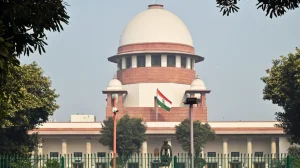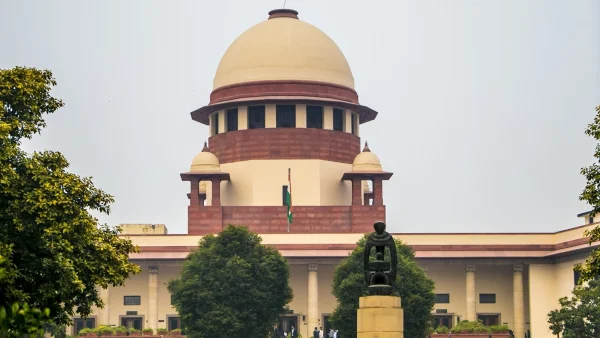
On Thursday, the Supreme Court paused the Chhattisgarh High Court’s decision to convict Amit Jogi and give him a life sentence for Ramavatar Jaggi’s murder in 2003. This pause means Jogi doesn’t have to go to jail right now and the case stays open; the CBI has been asked for their response to Jogi’s protest about the High Court ruling.
Supreme Court Stay And Notice To CBI
Justices Vikram Nath, Sandeep Mehta, and Vijay Bishnoi (the judges) said Jogi’s conviction and sentence are on hold for the time being. They listened to Vivek Tankha and Kapil Sibal, very experienced lawyers who are representing Jogi.
Sidhharth Luthra and Gopal Sankaranarayanan, lawyers for a family member of the person who was murdered, argued against Jogi getting any kind of break. Along with pausing the sentence, the Court told the CBI to say what they think about Jogi’s argument that the High Court was wrong.
High Court Verdict And Reopened Proceedings
The Chhattisgarh High Court had recently found Jogi guilty and told him to go to prison. This followed the High Court reopening the case last month because of an order from the Supreme Court, after the CBI appealed.
That High Court decision overturned Jogi’s 2007 ‘not guilty’ verdict from the original trial. The Supreme Court’s newest order stops that overturning of the verdict and things go back to how they were for Jogi until the Court makes another decision.
Background To The 2003 Murder Case
Ramavatar Jaggi, who was in the NCP, was murdered on June 4, 2003, at the time Ajit Jogi was the Chief Minister of Chhattisgarh. The police in Chhattisgarh first looked into the murder, but it was then handed over to the CBI.
On May 31, 2007, the original trial court said the prosecution had proven their case against 28 people. But, Amit Jogi was found not guilty of anything. Later, the CBI filed a report listing many accused people, including Jogi.
Arguments Placed Before The Apex Court
Jogi’s lawyers asked the Supreme Court to get involved, pointing to his previous acquittal and arguing against the High Court’s new guilty verdict. The judges noted what the lawyers said before agreeing to the pause.
The victim’s family’s lawyers wanted the High Court’s verdict to remain, but the Supreme Court decided to get the CBI’s side of things before doing anything else.
Key Developments At A Glance
Here are the key things the Court records and orders have shown so far:
– The Supreme Court has paused Jogi’s conviction and life sentence
– The CBI has been asked to respond to Jogi’s argument
– The High Court recently found Jogi guilty
– Jogi was found not guilty in 1997
– 28 people were convicted in 2007
What The Stay Means For Now
This pause means Jogi doesn’t have to go to jail as the High Court ordered, and it will stay that way until the Court decides what to do next. It also means the conviction and sentence aren’t in effect while the Supreme Court looks at the case.
The CBI being asked for a response shows the Court wants to look at the details of the investigation and the arguments that have been made on appeal. What the Court does next will depend on what the CBI says and what happens in future hearings.
Why The Case Continues To Matter
The case has been through a lot of twists and turns in the courts: first Jogi was found innocent, then guilty, and now the Supreme Court has paused things. Each of these changes has led to even closer examination of the investigation and the evidence related to the 2003 murder.
The fact that the CBI is involved shows how complicated the case is and how much is at stake for everyone. The Supreme Court stepping in puts the attention back on making sure the legal process is followed correctly and that the High Court’s decision is properly reviewed.
What Comes Next
The Supreme Court will consider the CBI’s response to Jogi’s argument, along with what both sides say. Until then, the High Court’s decision is on hold and the legal fight goes on in the highest court.
For Jaggi’s family and people in politics connected to the case, this pause means an already long and very closely followed legal process will continue for even longer.