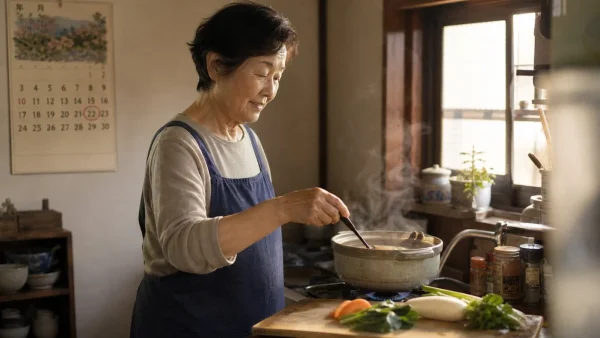
For those over 65, a little time in the kitchen every week can be more potent than one might think. A sizeable Japanese study has tied the habit of preparing at least one meal at home per week to a lower incidence of dementia, turning a simple dish into a rather effective form of self-care for the brain.

What the six-year research found
The Japan Gerontological Evaluation Study provided the data for these results, now put forward in the Journal of Epidemiology and Community Health. Over the course of six years, researchers made use of public long-term-care insurance records from Japan to spot cases of dementia in need of care among the 10,978 subjects they followed, all 65 or older.
In the end, 1,195 of the participants were diagnosed with dementia. Even when you factor in health, socioeconomic and demographic variables, the risk was lower for those in the group that cooked at home once a week or more versus those who did so less frequently.
There was a gender divide in the numbers. Relative to those who are not in the kitchen as often, men who cook at least once a week saw their risk drop by 23 per cent and women by 27 per cent. For individuals with a more modest opinion of their own cooking abilities, doing it more often corresponded with a risk reduction of some 67 per cent.
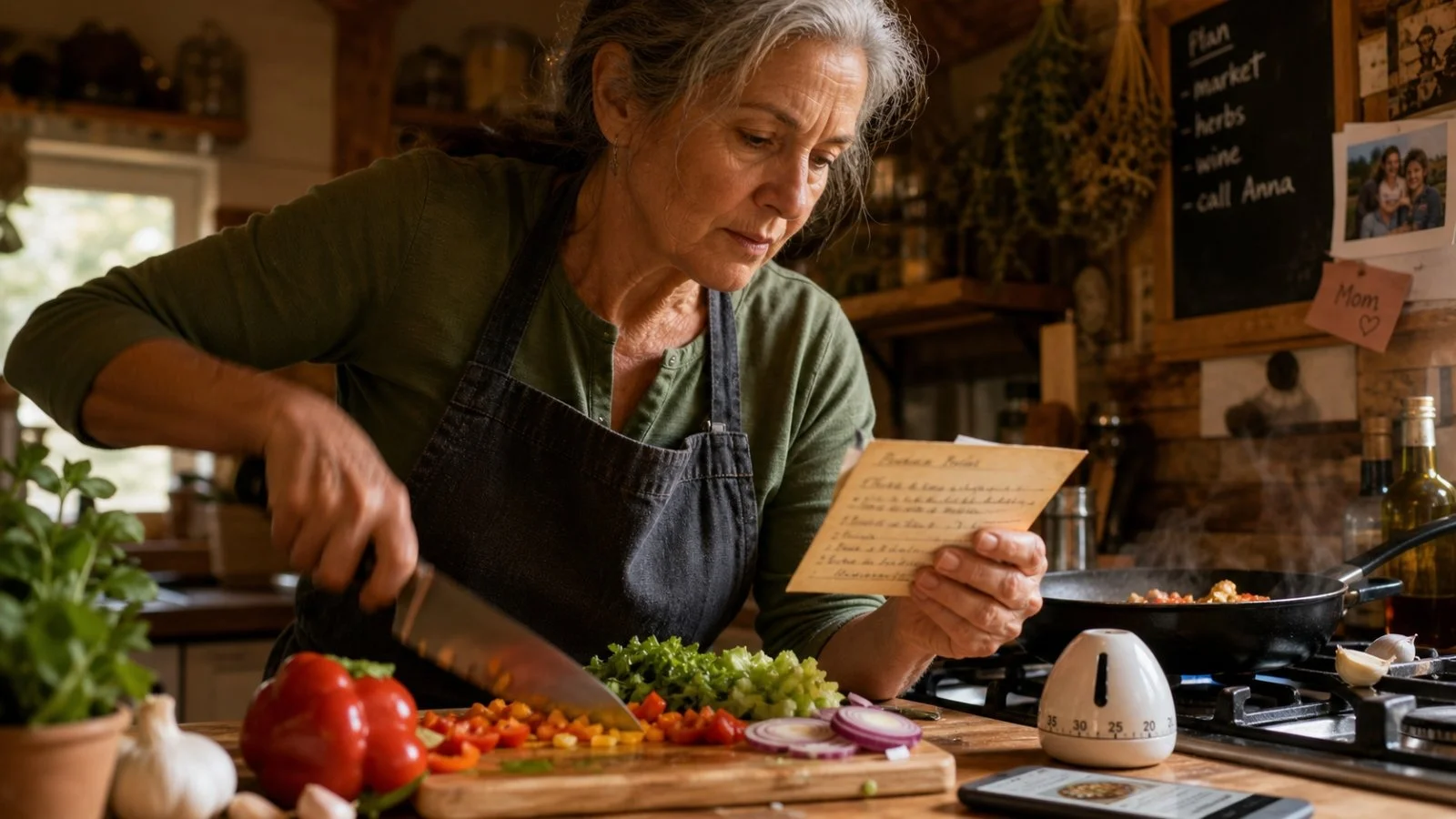
Why your stove can challenge the brain
One does not simply stand over the stove and do one thing. Cooking demands a mix of coordination, memory and attention in the same moment, a combination that is of some import to the ageing brain.
‘It involves working memory and planning along with movement and sensory stimulation,’ said Dr (Col) Joy Dev Mukherji, chairman and head of neurology at Max Super Speciality Hospital in Saket, in explaining the mental activity involved.
The social and dietary angle
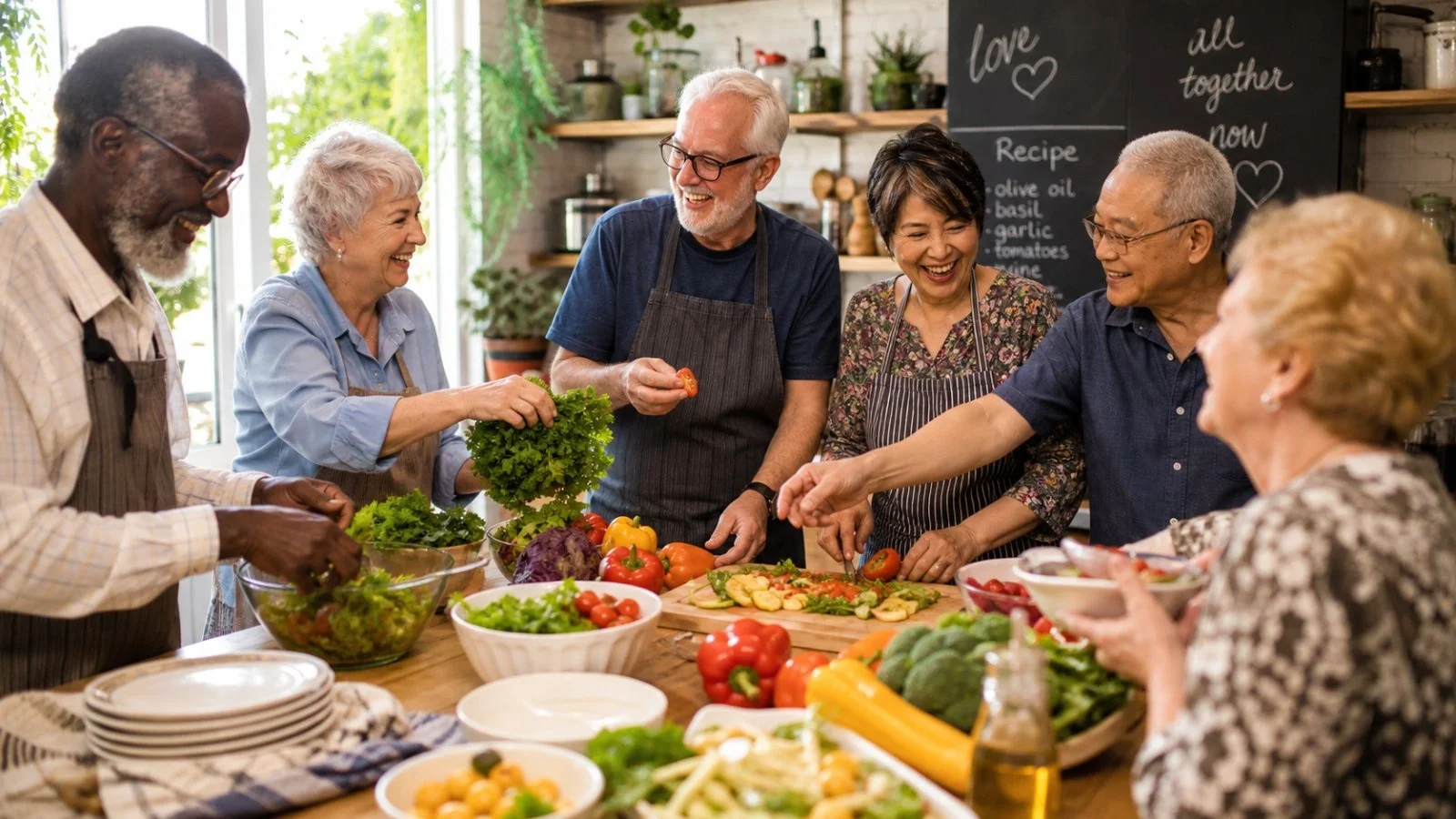
It is not just a matter of chopping and stirring. When one prepares food for or with others there is conversation and purpose to be had. Regular home cooks have the opportunity to put more vegetables and fruit on the table and control portions; earlier work with older Japanese adults has associated this with better dietary habits.
Dr Manjari Tripathi, head of neurology at AIIMS, pointed to the community aspect of it. She observes that sharing the task with family or friends in the kitchen can provide a measure of social and cognitive engagement. In her remarks she made it clear that cooking should not be seen as a woman’s domain and urged men to take up the activity.
Read the fine print
One must not confuse association with cause, as the study makes no such claim. Since participants were not put at random to cook or not, there is no proof of prevention. Dr Mukherji was careful to put the numbers in their proper context. “This was an observational study and does not prove that cooking prevents dementia,” he said.
Then there is the matter of reverse causation. A person in the initial throes of cognitive decline might find the memory and planning involved in cooking too taxing and put down the apron; in that case, less cooking is an effect of the decline, not the source of it. And because the researchers only gauged skills and habits at the outset, they may well have shifted over the six years of the study.
Four things put the findings in perspective:
– Causation cannot be proven by an observational study.
– Cooking frequency can drop off with early decline.
– What was measured once may not hold true later on.
– The records pertain to cases of dementia serious enough to warrant long-term care.
Turning a routine into brain-friendly time
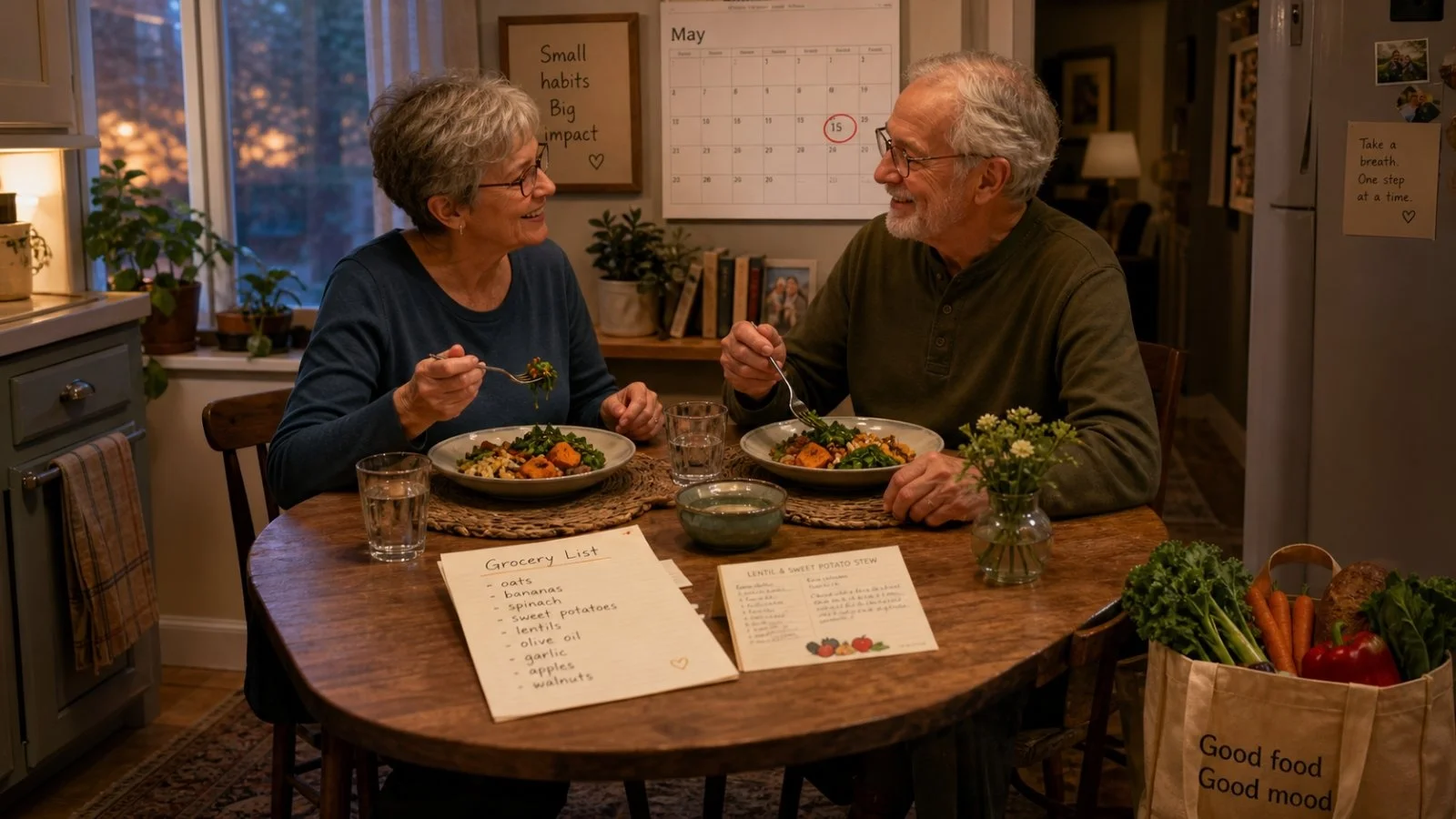
What one takes from this is a possibility rather than a prescription. An older adult might put together a simple meal of the week and in doing so have thinking, socialising and movement all in one compact routine. There is reward to be had in making out a brief grocery list, selecting the ingredients and having a sit-down with someone.
The doctors we hear from in the coverage of the study are on to a wider point: keep at activities that are meaningful and require some learning and interaction. Cooking is a way to get all of that in half an hour without any need for advanced technique or equipment.
For a low-stress way to begin:
– Have an easy recipe you can do on a weekly basis.
– Make a short list for your shopping.
– Put in an invitation to a friend or relative.
The bigger picture on dementia
It is a condition born of various diseases and injuries to the brain, with Alzheimer disease being the most prevalent at 60 to 70 per cent of cases. Dementia has become the seventh leading cause of death worldwide and a principal source of disability for the elderly.
Given those figures, it is no wonder there is interest in the sort of everyday habits that are good for the brain. The study ties a lower risk to cooking at least once a week, which is an achievable place to start. It is no sure-fire shield, but it fits into an active life.
More research will be needed to see how daily pursuits bear on cognitive health in the long run. For the present, however, the study puts forward something of a hopeful note: tending to the brain can be done in the gentlest of ways with a regular date with the chopping board and a tried and tested recipe in a familiar kitchen.