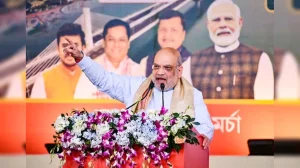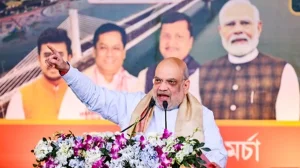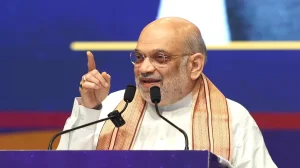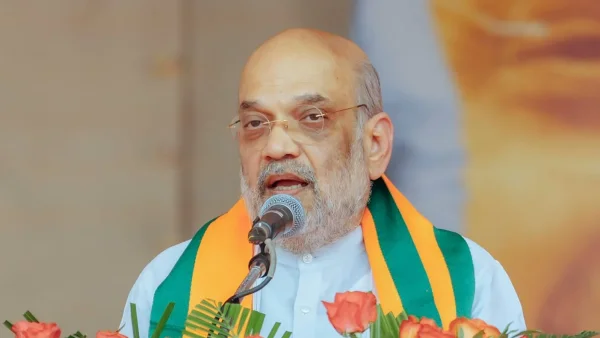
Shah made his point in Araria, a part of the Seemanchal area which touches West Bengal. This area has seen a lot of political activity and was important in the recent state election campaigns. The Home Minister said the BJP won seats in this part of the country last year because of these same issues, and that shows people agree with them.
Context of the Statement and Political Timing
These statements are being made as the West Bengal state elections get closer, and so are now part of the larger campaign. The BJP is connecting safety, people moving into the area, and the balance of groups of people living there to what they are saying during the campaign, to try to get voters to think about those things when they cast their ballots. The timing shows the party wants to make border security part of the political arguments within the state itself.
Security Claims and Demographic Concerns
Shah says people crossing the border illegally are a danger to the country’s safety. He says they can change the makeup of the local population and put a strain on services for the public. He claims these people get ration cards and other help from the government that is meant for actual citizens, and so this is about both enforcing the law and being fair to everyone.
Claims like this usually have an effect in areas where there isn’t much to go around and where you can clearly see where services are lacking. Usually, the government responds to these worries with things like registering people, checking their IDs, and central and state governments working together. Shah said the national government is committed to protecting the “demographic balance” in states that are easily affected.
Administrative and Enforcement Considerations
A big push to find and remove people who aren’t citizens would need many organizations involved, including the border security forces, the state governments, and the courts. It would be hard to actually do this; you’d need to check people’s IDs, have fair court cases, and make sure everyone is treated fairly.
In the past, when other states have tried to do similar things, they’ve been taken to court and have needed very clear rules for how they’ll be done. Any large operation like this will require different government departments to work together, share information, and follow both national and international laws.
Seemanchal and Electoral Impact
Seemanchal (which includes Araria) has become a key place in the political fight, and issues about the border and the population are important there. Shah believes the BJP got support in this area by talking about the problem of people crossing the border, and he suggests starting any future operations in Bihar before going into West Bengal.
Voters will probably make their choices based on a combination of improvements to their local area, getting benefits from the government, and how safe they feel. Parties opposing Shah may say his comments divide people or question how he plans to do things. Which of these different ideas voters believe will be the deciding factor in very close elections.
Legal, Social, and Political Implications
Saying you will “drive out every single infiltrator” brings up legal and humanitarian concerns. You need clear laws and ways of deciding who is and isn’t a citizen, and protections for people who are in a vulnerable position. Groups in civil society and lawyers often emphasize protecting human rights and following procedure exactly when doing things like this.
From a political point of view, this pledge reinforces a "law and order” stance that can get supporters excited and change the focus of the campaign. From an administrative point of view, it requires officials to come up with plans based on facts that will hold up in court and to scrutiny from the rest of the world.
What to Watch Next
People watching will pay attention to official government papers, instructions to the border forces, and any orders given in Bihar and West Bengal. The election results will show if talking about safety and population changes actually got the BJP votes. After the election, how things are actually carried out and what the courts say will determine how the promises become reality.
As the election nears, expect to hear a lot more about border security, government benefits, and checking people’s identities in the things politicians say. How the government balances enforcing the law with treating people fairly will affect both how the country is run and how much people trust the government in the months to come.