The Court told the Union and state governments they must be at a meeting to work on a central dashboard and to make police station CCTV systems standard. The order came after an amicus curiae – a friend of the court – said that a meeting planned for February 21st didn’t have the key people there, which stopped the needed report about cameras not working from being done.
What the case and the Court’s interest are about
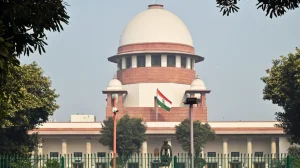
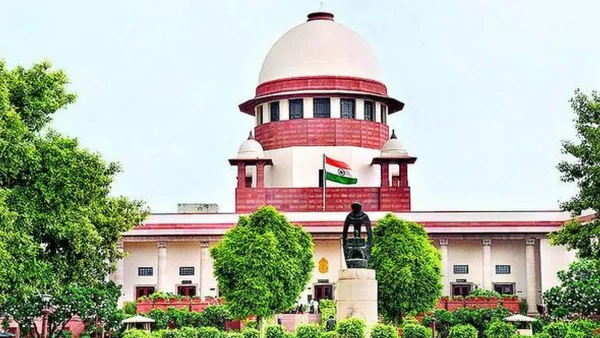
The highest court started a public interest case on its own, after seeing reports of a lot of police stations having CCTV cameras that didn’t work. The judges want a system-wide fix for the faults that hurt openness and the safety of people in custody.
The Court first said CCTV cameras had to be put in all police stations in 2018 to stop violations of human rights. Later orders in 2020 made recording also needed in offices of investigative bodies, showing the Court kept being worried about whether the rules were being followed.
The latest hearing and when the meeting is set for
A panel of Justices Vikram Nath and Sandeep Mehta listened to what senior lawyer Siddhartha Dave – acting as amicus curiae – had to say. Dave told the Court that a meeting the Court had ordered for January 29th did happen on February 21st, but the Union government, the Delhi government, and a number of states didn’t come.
The Court noted the apology from the Union’s lawyer, who said there had been a problem with how information was shared, and promised to fully work with the next meeting. The amicus curiae suggested March 14, 2026, for the next meeting, and the Court made the people involved attend. The case will be heard again on March 23rd.
The technical standards the Court has wanted so far
Previous orders set out specific technical levels to be reached: covering entrances and exits, holding cells, hallways, waiting rooms, and spaces outside holding cells. The Court made sure that no part of a police station should be without a camera, to protect the rights of people being held and to record what happens.
The Court also said CCTV systems had to have night vision, keep both sound and picture, and be able to store data for at least a year. These needs are to make sure the recordings can be used, are something you can trust, and are there for checking or investigation.
Problems with policy and how things work when trying to make things standard
Making a central dashboard and a system that works together needs work between ministries, states, and local police. The ways things are bought differ, budgets are different, and technical details are often not the same, making it hard for things to work with each other.
Keeping things running and training people also risk the systems working in the long term. Cameras may be put up but left not working because they aren’t serviced as they should be, there aren’t safe ways to keep the recordings, and staff aren’t trained in keeping evidence and handling data.
Putting old systems in will need clear rules for how things are coded, how data is tagged, how time is kept the same, and how things are sent safely. A national dashboard can improve how well people follow the rules, but only if groups use the same ways to put things in and to report.
Things to do with data safety, privacy, and being made to answer for your actions
A central approach brings up real questions about privacy and safety. Sound and picture recordings have personal information that is sensitive, and states must use strong coding, controls over who can get in, and records of who does get in to stop things being misused.
At the same time, CCTV systems that work can make people answer for what they do, and stop abuses. When joined with open rules, checking done on time, and people outside the police looking at things, cameras that work help both looking into things and stopping things from happening – they are good for the public.
The Court order to get people involved again gives a chance to solve these problems with policy. A meeting that is on point can make a plan that deals with technical standards, buying, keeping things running, and protections.
The hearings coming up will test the ability of national and state people to turn what the Court orders into things that last. If it is put into practice, a central dashboard and CCTV systems that are standard could be a big step toward more openness and protecting rights when people are in police custody.