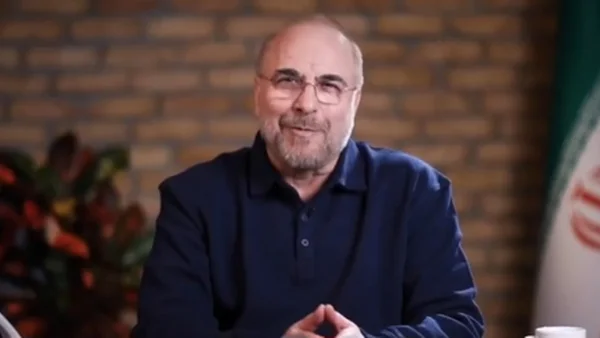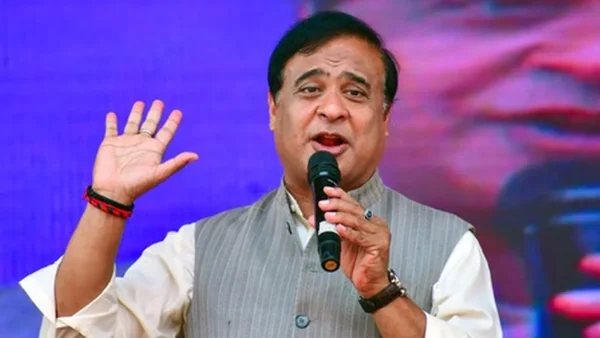
After the first meeting of the new government, Chief Minister Sarma said the Uniform Civil Code Bill will be presented to the assembly on May 26th. This law, specifically for Assam, is expected to have an impact on society and will start a quick reduction in spending in all areas of the government.
What changes for citizens
The government explains that the proposed law is designed to modernize and make fairer all of the rules relating to people’s personal lives. It will deal with the minimum age for getting married, having more than one spouse, what property rights daughters should have, and couples who live together.
Sarma said the new code will end polygamy and require all marriages and divorces to be officially recorded. Government officials have also said a legal structure is needed for couples living together and that a standard minimum age for marriage must be established.
Exemptions and scope
A really important part of this is who the law will not affect. All tribal communities in Assam, both in the hills and in the plains, are excluded. And according to the Chief Minister, religious ceremonies, customs, and traditions will not be changed by the code.
Assam is following Uttarakhand, Goa, and Gujarat, which have all already brought in a Uniform Civil Code in their states. Sarma added that Assam’s version of the code has been designed with the state’s population and the way people live there in mind.
A cabinet strategy tied to the manifesto
The Bharatiya Janata Party’s plans for governing (from their election promises) will be the basis for their policies for the next five years. Sarma said they will make a full effort to do absolutely everything in the manifesto, and the Uniform Civil Code is a major part of that.
The way this is being presented politically shows that the Bill isn’t a single action, but part of a wider plan for how the government will work. Because it’s being introduced on the last day of the current assembly session, all attention and the work of the assembly will be focused on May 26th.
Fiscal austerity drive across government
At the same time as planning the Uniform Civil Code, the cabinet decided to have very strict control over how money is spent to have more funds available and help with being sustainable. Buying new vehicles is stopped for six months, and any vehicle the government hires must be an Electric Vehicle.
They also aim to reduce fuel consumption by 20 percent by cutting down on official car processions and limiting government trips. For the next six months, the government won’t buy anything made abroad.
To reduce the amount of travel, ministers, members of the Legislative Assembly (MLAs), and officials are not allowed to go overseas, even if they pay for it themselves, except for essential medical treatment.
Here are the key protocols announced by the Chief Minister:
– No new vehicles for six months
– Hired vehicles must be EVs
– Fuel use cut target of 20%
– Smaller convoys and fewer tours
– Six-month ban on foreign-made purchases
– Overseas travel ban, medical exceptions only
Why the spending squeeze matters
These measures start with the obvious displays of authority: large car processions, trips, and new cars. By saying only electric vehicles can be hired and things should be bought from within the country, the cabinet is connecting being careful with money with being environmentally friendly and supporting local businesses. This is to get savings and make it clear the government is being restrained.
Jobs push and next steps
Looking at what happens after the law is made, the cabinet has approved a team led by the chief secretary to plan how to create employment. They have three months to report on how to provide 200,000 jobs over the next five years, which was a key promise in the election campaign.
Now that exemptions for tribal people are confirmed and the details of the civil law have been decided, all eyes are on the assembly on May 26th. People with an interest in this will be looking at how the Bill manages to be the same for everyone while also respecting the different cultures within Assam, and how quickly the government can turn its spending cuts into actual savings.