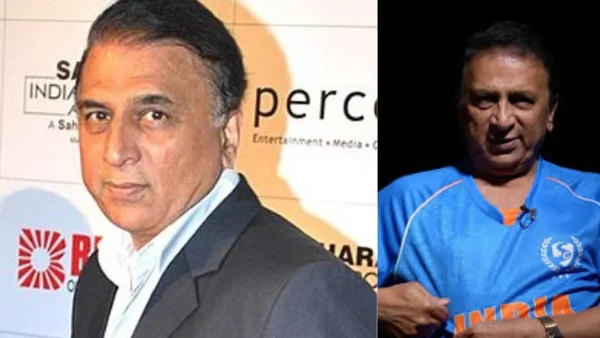
Sunil Gavaskar’s behind-the-scenes encouragement and Adam Gilchrist’s clever idea quietly changed the IPL playoffs. The former Indian captain wrote in a column on May 12th, 2026 that a colleague on the IPL Governing Council had told him off for asking the team captains for their thoughts. But it was because of asking for those thoughts that the Qualifier and Eliminator rounds came to be.
Gilchrist’s idea that reshaped the playoffs
Gavaskar had asked for opinions from all eight captains of the teams, to try and improve the tournament. Most of the responses were pretty standard, but Gilchrist’s one suggestion had a massive impact on the competition.
Gilchrist came up with the idea of giving the teams that finish first and second another opportunity to win the championship via the Qualifier and Eliminator matches. This gives the top two teams two chances at the final, a benefit which has now been a major factor in each season.
Gilchrist played for Kings XI Punjab (now Punjab Kings) during the IPL’s early years. Gavaskar pointed out that his suggestion was great because it turned a team’s performance in the main part of the league into something they could actually use to their advantage, and it very quickly became the standard all teams aim for.
Inside the pushback Gavaskar faced
This change wasn’t without argument. Gavaskar wrote that another member of the Governing Council challenged him for writing to the captains directly, and questioned whether he had the right to do so.
He was very direct in his reply. He said he had done it as a former captain and player, didn’t need anyone’s permission, and that the Governing Council could choose to use the suggestions or not.
The eight-captain outreach
Gavaskar's letters, written when he was on the IPL Governing Council, asked the eight captains for ways to make the league even better. He told his unnamed critic that he’d only contacted the captains to help the IPL, and wasn’t trying to go around the usual procedures.
Here are the key points he shared:
– He wrote to eight captains in personal capacity
– A member pulled him up for the outreach
– Adam Gilchrist suggested Qualifier and Eliminator
– Top two get another crack at the title
Why the tweak changed tactics
The effect of the change was immediate and impacted strategy. Because of having two chances, teams are now trying to finish in the top two, not just get into the playoffs. As Gavaskar says, finishing first or second is now something every team tries to achieve.
This reward changed how important it is to be steady throughout the league stage. It made how a team does at the beginning of the season, keeping a good net run rate, and changing the team lineup all long-term plans to get that extra chance in the playoffs.
Pride in IPL’s evolution
For Gavaskar, this story is also about him. He was on the Governing Council in 2010, and was part of the original group for three years. He called the tournament ‘our baby’ and said it’s wonderful to see it grow into a successful competition.
He emphasized that he was only trying to help the league do well. The Governing Council eventually accepted the captains’ ideas, and included Gilchrist’s suggestion, and we can see the result every April and May when the second place in the standings becomes very important.
Basically, just asking eight captains a simple question created a new goal for teams and a different type of excitement for those watching. The top two teams have two chances, but only one of them can actually use that extra chance to win. As the playoff games show, it’s those small differences that create a team’s lasting reputation.