eBay pretty much stopped GameStop’s attempt to rapidly become a much larger company, rejecting the $56 billion offer, and now it will be a big test of GameStop’s financial ability, how trustworthy they seem, and their overall power in the market. This decision clearly shows a disagreement in strategy, with eBay trying to get back on its feet and GameStop looking to get bigger to compete with Amazon.
A bid built on ambition, facing a valuation gap
eBay is confident in the direction it’s going and isn’t sure how the smaller GameStop would find the money. The offer was for half the price in cash and half in GameStop stock at $125 a share, but the market immediately showed that people didn’t think it would happen.
Since the offer became public, eBay’s stock price has stayed well below $125. On Tuesday morning it was $107, almost $20 less than the offer. GameStop’s stock went down almost 4%, demonstrating that investors aren’t confident GameStop can actually do what they’re saying they will.
Why GameStop wants eBay
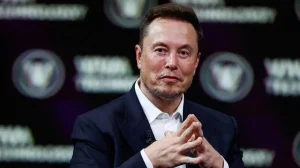
GameStop’s CEO, Ryan Cohen, believes that if the two companies joined together they would be a more efficient and more profitable business. His plan involves making big cuts to costs, finding ways for the businesses to work together to increase profits, and using GameStop’s stores as places to fulfill and service orders, which would give eBay an advantage over Amazon.
Cohen’s ideas aren’t just about how things would work; he says TD Securities have promised $20 billion in loans and GameStop can sell more stock to get the rest of the money. He also says he would be the CEO of the combined company and wouldn’t pay himself a salary, cash bonuses, or a special payment if he left the company.
A credibility fight over financing
From the beginning, both analysts and investors have questioned whether a $12 billion video game retailer could buy a company worth nearly four times as much. Cohen didn’t give many specifics in an interview on CNBC about how he’d pay the $56 billion, saying only that it would be with cash and stock.
These vague answers increased skepticism on Wall Street, and the fact that eBay’s stock price has remained far below $125 shows people don’t believe the deal will happen as proposed.
Board stance and investor backlash
eBay’s leaders were very firm in their rejection. Chairman Paul Pressler said “We have concluded that your proposal is neither believable nor appealing,” and added that eBay’s board believes the company is doing well with its current leadership and will continue to grow steadily.
GameStop hasn’t said anything in response to this. However, this attempt has already caused a split amongst GameStop’s investors; Michael Burry (famous for making money by betting against the market in “The Big Short”) revealed he sold his GameStop shares after the offer, calling the strategy “unimaginative” and warning about too much debt and the value of shares being reduced.
This situation brings back the very active and often unpredictable interest in Ryan Cohen, who is a hero to many small investors because of the big jump in GameStop’s stock price in 2021 that caused problems for some investment firms. It also happens at a time when many companies are merging or being bought, and brings up the question of whether a strong and interesting story can be enough to overcome the facts about a company’s financial situation.
What happens next
eBay’s rejection isn’t the end of the story. Cohen has said he’s willing to take his offer directly to eBay’s shareholders, which would mean a hostile takeover and a very public and likely unpleasant battle.
If GameStop pursues that path, several steps would be in focus:
– Call a special meeting of eBay shareholders
– Seek $20 billion in debt from TD Securities
– Issue stock to fund the remaining consideration
However, even doing that would be hard. The continuing doubts about the money, the price the market is putting on eBay’s stock, and concerns about debt and share value are all working against him. eBay’s management’s confidence in their own improvement gives them reason to refuse unless the offer gets better and the financing is more certain.
The strategic stakes
Both companies sell things like trading cards, but their main businesses are different: eBay is a marketplace that doesn’t hold a lot of inventory, and GameStop sells things from its stores. If they did combine successfully, they could connect online sales with having a physical presence, but it would require very careful planning and guaranteed funding.
For now, eBay’s definite ‘no’ turns GameStop's ambitious plan into a question of how believable they are. Cohen has the next move, and he needs to show he has the actual money to match his plans.