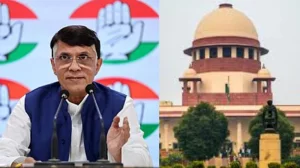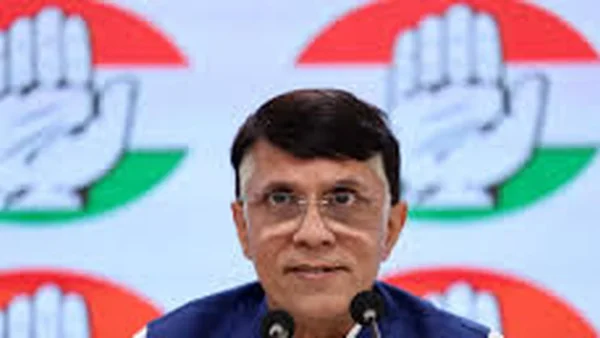
On Wednesday in Guwahati, Pawan Khera was questioned by the Assam Police Crime Branch. This brought up the high-level legal and political fight with Himanta Biswa Sarma’s wife, Riniki Bhuyan Sharma, again. The Supreme Court had already said the problem seems to be based on a political rivalry, which has made people pay closer attention to following the law and freedom of speech in a tense atmosphere.
Questioning amid political-legal friction
Before going into the Crime Branch office, Khera said he’d completely cooperate with the police and talk to the news media after the questioning. He explained, “The police asked me to come, and I have. We respect the law and the courts, so I am here doing what is required by the legal system.”
This questioning happened after several weeks of going back and forth between different courts and the Assam Police taking some steps with the case. Police had previously gone to Khera’s home in Delhi, but he wasn’t there. Wednesday’s questioning shows the investigation is moving to its next part, and both the legal side of things and how it looks to the public are getting a lot of attention.
What triggered the complaints
The case started because Khera publicly said Riniki Bhuyan Sharma had multiple passports and properties in other countries that she hadn’t said anything about. She then filed criminal complaints with the Guwahati Crime Branch Police Station, based on many parts of the Bharatiya Nyaya Sanhita.
The police records of these complaints mention parts of the law relating to harming someone’s good name, fraud, faking things, using fake documents as if they are real, making untrue statements during an election, and intentionally insulting someone in a way that could cause a disturbance. Investigators are now expected to look at both the claims Khera made and what Riniki Bhuyan Sharma says in response, and do this while remembering the politically sensitive nature of the situation.
Inside the case file
The Crime Branch will decide on the order of how they gather evidence. However, a court in Guwahati earlier refused a request from the Assam Police for an arrest warrant that would require bail. Because of that ruling, the case will continue with questioning and protections the court has ordered, rather than immediately putting Khera in jail.
Khera is responding by saying he is following the legal process, and he’s willing to participate while still disagreeing with the accusations. Now, both sides are waiting to see if the investigators believe the claims are true, or if they will ask for further action.
Courts shaped the path so far
The dispute has travelled through multiple benches, with significant rulings influencing Khera’s legal protection and the police’s room to manoeuvre. Key orders so far:
– Supreme Court later granted anticipatory bail.
– It observed the matter appeared to stem from political rivalry.
– Telangana High Court granted seven-day transit anticipatory bail.
– Supreme Court stayed that order and redirected him to Gauhati High Court.
– Gauhati High Court rejected the anticipatory bail plea.
– A Guwahati court declined a non-bailable warrant request.
This series of events has tried to balance the need for the police to investigate with protecting Khera’s rights, while the courts are aware of the political reasons behind the case. Now that Khera has anticipatory bail, his appearance on Wednesday will show how the investigation goes forward without him being held in jail before his trial.
What comes next
The Crime Branch will consider what Khera says alongside Riniki Bhuyan Sharma’s complaints and any official documents. The next step by the investigators or the prosecution will likely depend on whether the charges under the Bharatiya Nyaya Sanhita meet the basic requirements to move forward.
Khera has said he will speak to the press after being questioned, meaning we’ll probably find out his legal position more clearly soon. For the Assam Police, the priority will be to confirm details and follow the correct procedures. Political figures will judge this case based on the Supreme Court’s observation that it stems from a rivalry.