India has witnessed an unprecedented push in infrastructure over the past decade. Expressways, bridges, airports, tunnels, and highways have been built at a record pace, with governments highlighting these projects as symbols of economic growth and modernization.
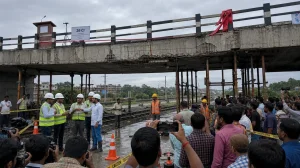
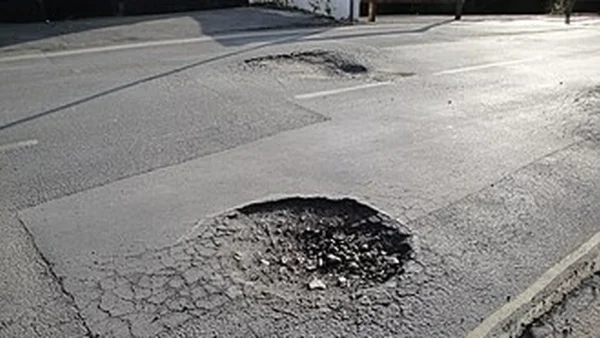
Yet, alongside these achievements, another narrative has emerged—one shaped by viral videos of damaged roads, collapsing bridges, waterlogged highways, and infrastructure failures that have raised uncomfortable questions about quality, accountability, and long-term maintenance.
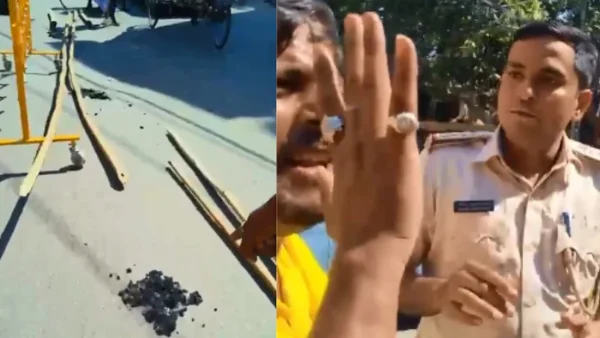
The latest viral video, showing a damaged road that social media users sarcastically described as being built with “space technology,” has once again brought infrastructure standards into the spotlight.
Growth Versus Quality
India’s infrastructure expansion has been significant.
Thousands of kilometres of highways have been added, new airports have opened, and major connectivity projects have transformed travel across several regions.
However, critics argue that the true measure of infrastructure is not how quickly it is built, but how well it performs over time.
A road that develops cracks within months, a bridge requiring repeated repairs, or an airport facing operational issues can undermine public confidence, regardless of the scale of investment.
Why Do Roads Fail?
Civil engineers point out that road deterioration can occur for several reasons:
Poor construction quality.
Inferior building materials.
Inadequate drainage systems.
Heavy rainfall and flooding.
Overloaded commercial vehicles.
Weak supervision during construction.
Delayed maintenance.
Determining the exact cause of any specific road failure requires technical inspection rather than conclusions based solely on photographs or videos.
The Cost of Poor Infrastructure
Infrastructure failures affect more than convenience.
Poor road conditions can lead to:
Increased vehicle maintenance costs.
Traffic congestion.
Higher fuel consumption.
Delays in transporting goods.
Greater risk of road accidents.
Financial losses for businesses and commuters.
Ultimately, taxpayers bear much of the cost through repair works and reconstruction funded by the public exchequer.
The Accountability Question
Every infrastructure project involves multiple stakeholders, including:
Government departments.
Contractors.
Consulting engineers.
Quality inspection agencies.
Local authorities responsible for maintenance.
When newly built infrastructure fails prematurely, citizens often ask:
Were quality standards followed?
Were independent inspections conducted?
Were contractors held accountable?
Were defects identified before project completion?
Transparent investigations and public disclosure of findings can help answer these questions and strengthen confidence in public works.
Building Is Only Half the Job
Infrastructure development does not end with inauguration ceremonies.
Long-term performance depends on:
Regular inspections.
Preventive maintenance.
Timely repairs.
Strict enforcement of construction standards.
Accountability for defective work.
Experts note that investing in maintenance is often more cost-effective than repeatedly rebuilding damaged infrastructure.
Beyond Political Narratives
Infrastructure has become a central issue in political debate, with governments highlighting new projects and opposition parties pointing to failures.
For citizens, however, the concern is less about political credit and more about practical outcomes.
People expect roads that withstand monsoons, bridges that remain structurally sound, and public infrastructure that delivers value for taxpayer money.
The Bigger Picture
India’s rapid infrastructure expansion is one of the country’s most significant development efforts. But the success of that expansion will ultimately be judged not by the number of projects completed, but by their durability, safety, and reliability.
Every viral video of a damaged road or failing bridge serves as a reminder that infrastructure is more than concrete and asphalt—it is a public investment. Ensuring that these assets are built to last, maintained properly, and subjected to rigorous quality control is essential for sustaining public trust.
In the end, citizens are not merely asking for more infrastructure. They are asking for infrastructure that stands the test of time.