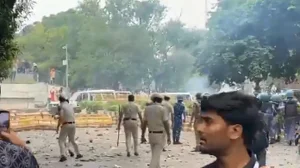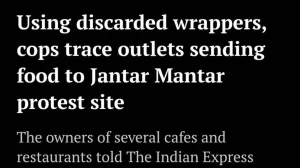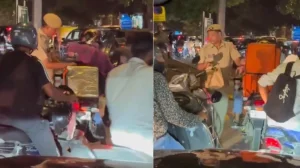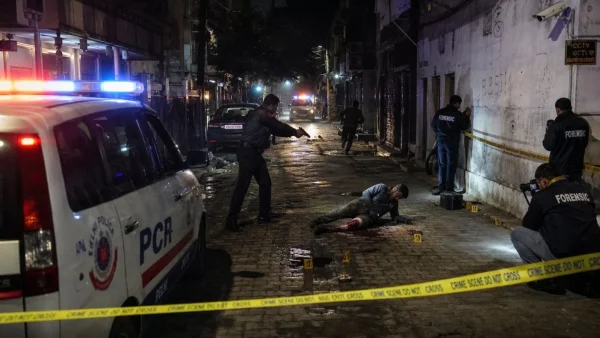
The reported use of pellet guns by police during a recent protest in New Delhi has triggered a political and public debate over the methods employed for crowd control in the national capital. The controversy has intensified after media reports alleged that pellet-firing weapons were used against demonstrators, prompting questions from opposition leaders, civil rights advocates, and legal experts about whether the force used was necessary and proportionate.
The incident has also renewed scrutiny of police protocols for managing large demonstrations in a democratic society.
What Is the Controversy?
Reports by sections of the media alleged that pellet-firing weapons were used during efforts to disperse protesters in Delhi. The reports were initially disputed by the Delhi Police, but the issue has continued to attract attention following further journalistic reporting and the circulation of images and videos on social media.
At the time of writing, the circumstances surrounding the deployment of force, the type of ammunition used, and the chain of command remain matters of public discussion.
Questions Being Raised
The controversy has generated several questions that are likely to remain central to the public debate:
Were standard crowd-control procedures followed?
If protesters had gathered in large numbers despite prior announcements, what preventive arrangements had been made?
Were less-forceful methods, such as barricades, negotiations, water cannons, or tear smoke, available and considered before escalating the response?
Was the level of force proportionate to the security threat posed?
These questions are likely to be examined by the relevant authorities and, if pursued, by judicial or independent oversight mechanisms.
Crowd Control in a Democracy
Police forces around the world are expected to balance two competing responsibilities: protecting public order and safeguarding the constitutional rights of citizens to assemble peacefully.
Standard crowd-management practices often involve a graduated response that may include:
Advance negotiations with protest organizers.
Barricading and diversion plans.
Public announcements and warnings.
Deployment of water cannons or tear smoke where necessary.
Use of force only when considered necessary under applicable laws and operational guidelines.
Whether these principles were followed in this instance has become a matter of public debate.
The Importance of Accountability
Incidents involving the use of force by law enforcement frequently attract heightened scrutiny because they concern both public safety and civil liberties.
If questions arise about operational decisions, transparency can help maintain public confidence. This may include:
Official explanations of the tactics employed.
Disclosure of applicable standard operating procedures.
Independent review where appropriate.
Examination of evidence, including videos, photographs, and official records.
Such processes help distinguish verified facts from speculation.
A Wider Political Debate
The controversy has also entered the political arena, with critics questioning whether the response reflected an appropriate use of force, while supporters of the police argue that law enforcement has a responsibility to secure sensitive government areas and prevent breaches of public order.
These competing perspectives underscore the broader challenge faced by democratic societies: ensuring security while respecting fundamental rights.
The Road Ahead
The reported use of pellet guns has become more than a debate about one protest. It has prompted wider questions about policing standards, operational transparency, and the mechanisms for reviewing the use of force during public demonstrations.
As more information becomes available, any conclusions about the appropriateness of police action should be guided by verified evidence, official investigations, and applicable legal standards rather than by unverified claims or political rhetoric.
In a democracy, maintaining public trust requires both effective law enforcement and clear accountability whenever questions arise about the exercise of state power.