India’s highways have traditionally been viewed as the arteries of economic growth—moving goods, connecting cities, reducing travel time, and boosting trade. But in recent years, another question has begun to surface in public discourse: Is religious tourism becoming a major driver of highway development?
The debate has gained momentum as governments have invested in road connectivity to major pilgrimage destinations, including the Char Dham region in Uttarakhand, Ayodhya, Varanasi, Ujjain, Kedarnath, Somnath, and other religious centers.
Supporters see these projects as investments in tourism and regional development. Critics worry that infrastructure priorities may increasingly be influenced by religious considerations.
Highways: More Than Roads
Modern highways are built for multiple reasons.
They serve to:
Improve freight movement and logistics.
Reduce travel time between cities.
Strengthen national security and border connectivity.
Promote tourism.
Improve rural accessibility.
Facilitate emergency response during disasters.
Religious tourism is only one of several factors that governments consider when approving major infrastructure projects.
The Rise of Religious Tourism
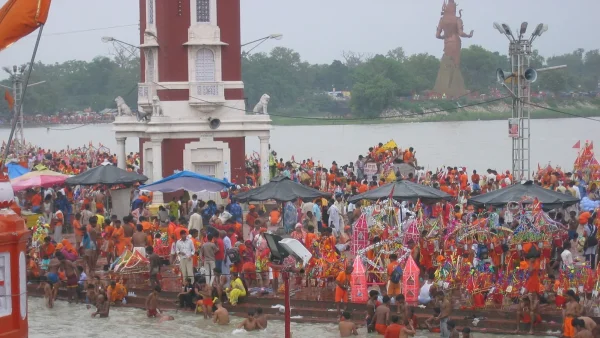
India is home to some of the world’s largest pilgrimage movements.
Every year:
Millions visit the Char Dham shrines.
The Kumbh Mela attracts one of the largest human gatherings on Earth.
Ayodhya, Varanasi, Tirupati, Vaishno Devi, Shirdi, and Sabarimala receive millions of visitors annually.
Improving road infrastructure to these destinations can reduce travel time, improve safety, and support local economies dependent on tourism.
Governments often argue that these roads benefit not only pilgrims but also residents, businesses, and emergency services.
Why Critics Are Raising Questions
Despite these benefits, some economists and policy analysts argue that infrastructure investment should primarily be guided by measurable public needs such as:
Traffic volume.
Freight demand.
Industrial development.
Urban connectivity.
Economic return on investment.
They contend that if projects are perceived to prioritize symbolism over broader transport needs, questions about public spending naturally arise.
Critics also point to areas where urban roads, rural highways, and maintenance projects continue to require significant investment.
The Economic Case for Pilgrimage Infrastructure
Supporters counter that pilgrimage routes are also economic corridors.
Religious tourism generates demand for:
Hotels and guest houses.
Restaurants.
Local transport.
Retail businesses.
Handicrafts.
Employment in hospitality and services.
In many regions, pilgrimage-related tourism is one of the largest sources of local income.
Improved highways can therefore produce benefits extending beyond religious travel.
Balancing Development Priorities
The larger policy question is not whether pilgrimage routes deserve better infrastructure, but how governments balance competing priorities.
India faces simultaneous demands for:
Better urban roads.
Rural connectivity.
Industrial freight corridors.
Border roads.
Expressways.
Public transport.
Tourism infrastructure.
With limited public resources, every major infrastructure project inevitably involves choices about where investment should go first.
Beyond Politics
The discussion over highways and religious tourism reflects a broader challenge in public policy: balancing cultural heritage, economic development, and efficient use of taxpayer money.
Infrastructure that supports pilgrimage can also stimulate tourism, commerce, and regional growth. At the same time, governments must ensure that investments in religious destinations do not come at the expense of essential transport needs elsewhere.
Ultimately, highways are judged not by the reason they were built, but by how effectively they serve the public. Whether carrying freight trucks, school buses, ambulances, tourists, or pilgrims, the success of any road project lies in its ability to improve connectivity, safety, and economic opportunity for the communities it serves.