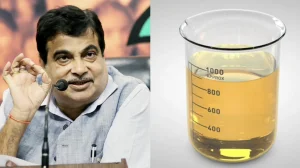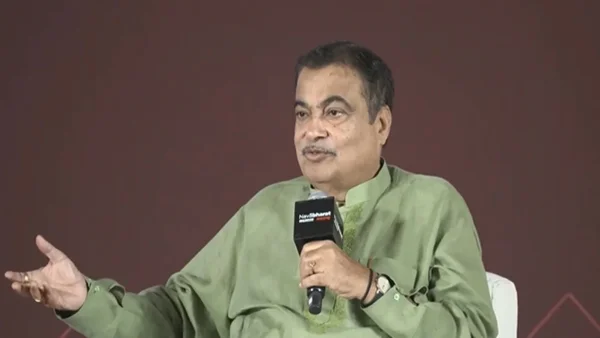
The spotlight on Union Road Transport and Highways Minister Nitin Gadkari is growing once again—not only over India’s ambitious infrastructure push but also over concerns surrounding ethanol-blended fuel and the persistent problem of potholes on roads. While supporters credit the ministry with transforming the country’s highway network, critics argue that unresolved issues are beginning to overshadow these achievements.
The phrase "Ethanol/Pothole Minister,” used by some political critics on social media and in public discourse, reflects dissatisfaction among sections of the public. However, the debate is larger than political labels. It raises questions about policy implementation, road safety, and public accountability.
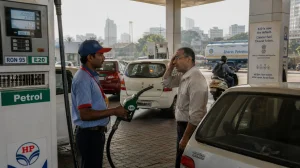
The Ethanol Push: A Bold Policy with Mixed Public Reactions
The government’s ethanol-blending programme was introduced with multiple objectives:
Reduce India’s dependence on imported crude oil.
Lower carbon emissions from the transport sector.
Provide better income opportunities for sugarcane farmers.
Promote cleaner and more sustainable fuel.
India has steadily increased the proportion of ethanol blended with petrol as part of its energy transition strategy.
However, some vehicle owners have expressed concerns over:
Reduced fuel efficiency in certain vehicles.
Compatibility issues with older engines.
Higher maintenance costs in some cases.
Limited public awareness about which vehicles are best suited for higher ethanol blends.
Experts note that while ethanol has environmental and economic benefits, its long-term success depends on vehicle compatibility, consumer awareness, and continuous technological improvements.
Potholes: A Persistent Road Safety Challenge
Alongside the ethanol debate, road conditions continue to attract criticism.
Despite record investments in highways and expressways, potholes remain a recurring complaint in many cities, towns, and rural areas. During the monsoon season, deteriorating road surfaces often become a major safety concern, contributing to vehicle damage, traffic congestion, and, in some cases, serious accidents.
It is important to note that not all roads fall under the Union Ministry of Road Transport and Highways. Responsibility for road construction and maintenance is shared among multiple agencies, including state governments, municipal corporations, and local bodies. Nevertheless, as the face of India’s transport infrastructure, the ministry often becomes the focal point of public criticism when road conditions deteriorate.
Achievement Versus Expectation
The ministry has overseen a significant expansion of India’s national highway network, with new expressways, bridges, tunnels, and logistics corridors aimed at improving connectivity and supporting economic growth.
Yet, public expectations have also risen. Citizens increasingly expect not just new infrastructure but durable roads, timely maintenance, transparent project execution, and safer travel conditions.
As a result, achievements in highway construction are frequently weighed against everyday experiences such as potholes, road quality, and traffic safety.
The Politics of Performance
Infrastructure has become an important political issue. Supporters point to rapid highway development and reforms as evidence of progress, while opponents focus on unresolved challenges such as road maintenance, accident rates, and concerns related to ethanol-blended fuel.
Political slogans may capture public attention, but they rarely reflect the full picture. The more substantive questions are whether infrastructure projects are delivering lasting quality, whether maintenance systems are effective, and whether new policies are being implemented in a way that addresses consumer concerns.
The Road Ahead
The growing debate over ethanol and road conditions highlights the importance of balancing ambitious policy goals with effective implementation. Cleaner fuels, modern highways, and improved connectivity remain important national objectives. At the same time, public confidence depends on practical outcomes—safe roads, reliable infrastructure, and transparent communication about new policies.
Ultimately, the success of the Road Transport Ministry will be judged not only by the number of kilometres of highways built, but also by the everyday experience of the millions of people who use India’s roads. In public policy, lasting credibility comes from delivering both vision and results.