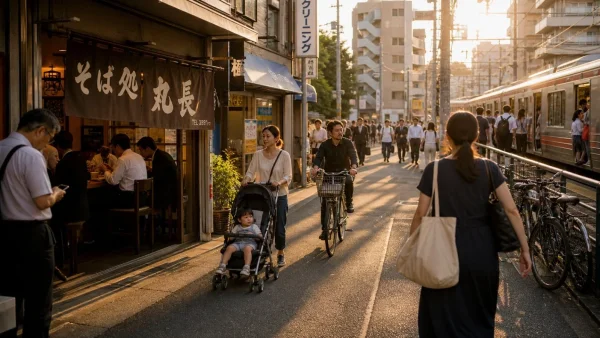
The numbers don’t lie: 6% in Japan, 43% in the US. And the chasm between them is only getting bigger, despite the billions we put into trying to lose a few pounds. A coach who was in Japan not long ago would have it for you that it has nothing to do with willpower. It’s about the world you are in from one moment to the next.
On 14 June, Go put up a post to put into words what he made of his two weeks there: hardly any obese people in sight and no one making a thing out of dieting. You don’t need an app or to be at war with yourself; life in Japan just has a way of nudging you to move and put some good food in you.
Environment, not endless motivation
Don’t look for some form of iron discipline to explain the 6 percent in Japan, Go will tell you. When a place is set up so that doing the right thing is the easy thing, that’s what you get. It’s a far cry from a lot of the West, in his view.
Then you have what he terms sedentary defaults. Put a person in a town built for cars where you can’t walk anywhere and the processed stuff is on every corner, and they have to put up a fight with the day. Eventually, you get worn out by it.
Movement is woven into the day
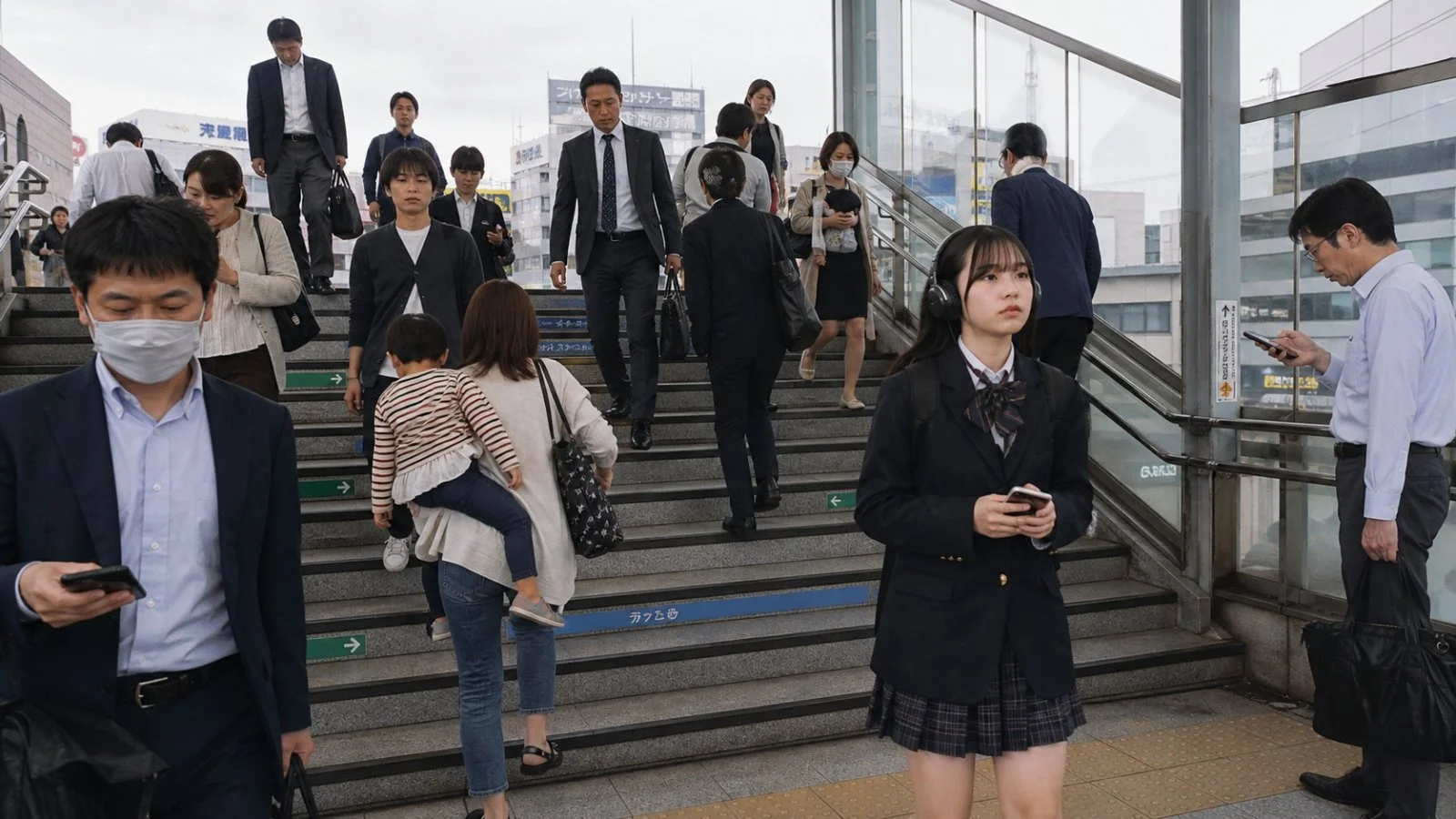
It’s as straightforward as this: folks in Japan put in their miles, and they don’t even think of it as a workout. You’re on your feet getting to and from the train, up some stairs, through a tight-knit neighbourhood. You rack up the steps without ever having to go to a gym.
He didn’t see anyone on his side of the table tallying up macros or being ruled by an app. Being in shape is more of a side effect of how things are done. The way of life means you don’t have to steel yourself to do what is sensible.
Food culture that defaults to whole ingredients
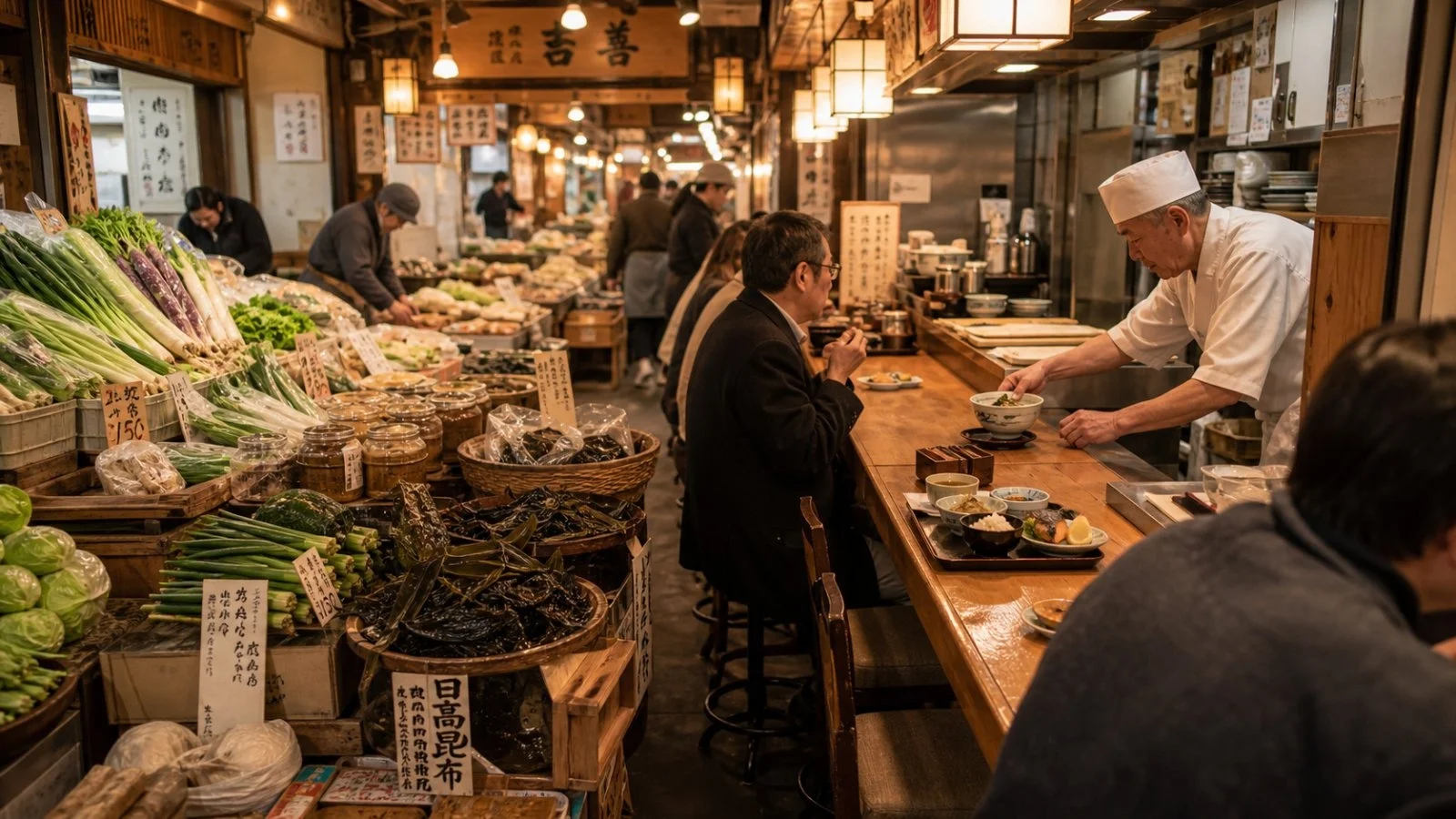
When you want a quick bite in Japan, you’re looking at something you can put a name to, according to Go. He’s talking about the kind of fast food with some protein and fibre in it, and a bit of fermentation, not the ultra-processed variety.
You’ll see modest, well-balanced plates as the order of the day. And in a lot of spots, it’s considered bad form to be eating as you go, which is a good way to put a stop to mindless snacking and let a meal be a meal.
Why the US struggles at 43 percent
Go sees the 43 percent in America as a case of the “obesogenic” setup that the experts like to point to. Between the sprawl, the car culture and how easy it is to come by cheap, highly processed fare, you are up against it if you want to stay in shape.
Put it in a nutshell: the heaviest of nations have one thing in common – they are car-bound, the food is too easy to get and you are meant to sit still.
He puts it in a way that is hard to ignore: your ZIP code is a better indicator of your health than your DNA.
Discipline has its place, but design has the final say
None of this is to let you off the hook for your own choices. It’s more about how much we make people work for them. You can have all the willpower in the world, but if you have to drive for every little thing and cheap, empty calories are on every corner, you’re going to be up against it.
Go isn’t saying Japan is some kind of utopia. What he means is that the way things are put together there takes some of the thinking out of eating right and staying active. When you are surrounded by good food and an active lifestyle, you don’t have to be as hard on yourself.

A trip that made waves
Once Go put his thoughts out there, a lot of people who had been to Japan wrote in to say they could relate. It’s a no-nonsense way of putting it: we act like our surroundings. Change the setting and your habits will too.
You won’t find any new-fangled tools or 30-day fixes in his story. He is talking about the kind of habits that hold because they don’t feel like you are following a regimen. That is what makes the 6% to 43% gap so telling.
What you can do with it
You can’t overhauling a nation’s infrastructure overnight. But Go says you can put in place your own little environment to tip the scales. His take is practical: set up the defaults you want to see, one at a time.
The coach’s advice for the day-to-day goes like this:
– Put in more walking, when you can
– For the most part, stick to real food
– Let the healthy option be the path of least resistance
For the rest of us and those in charge
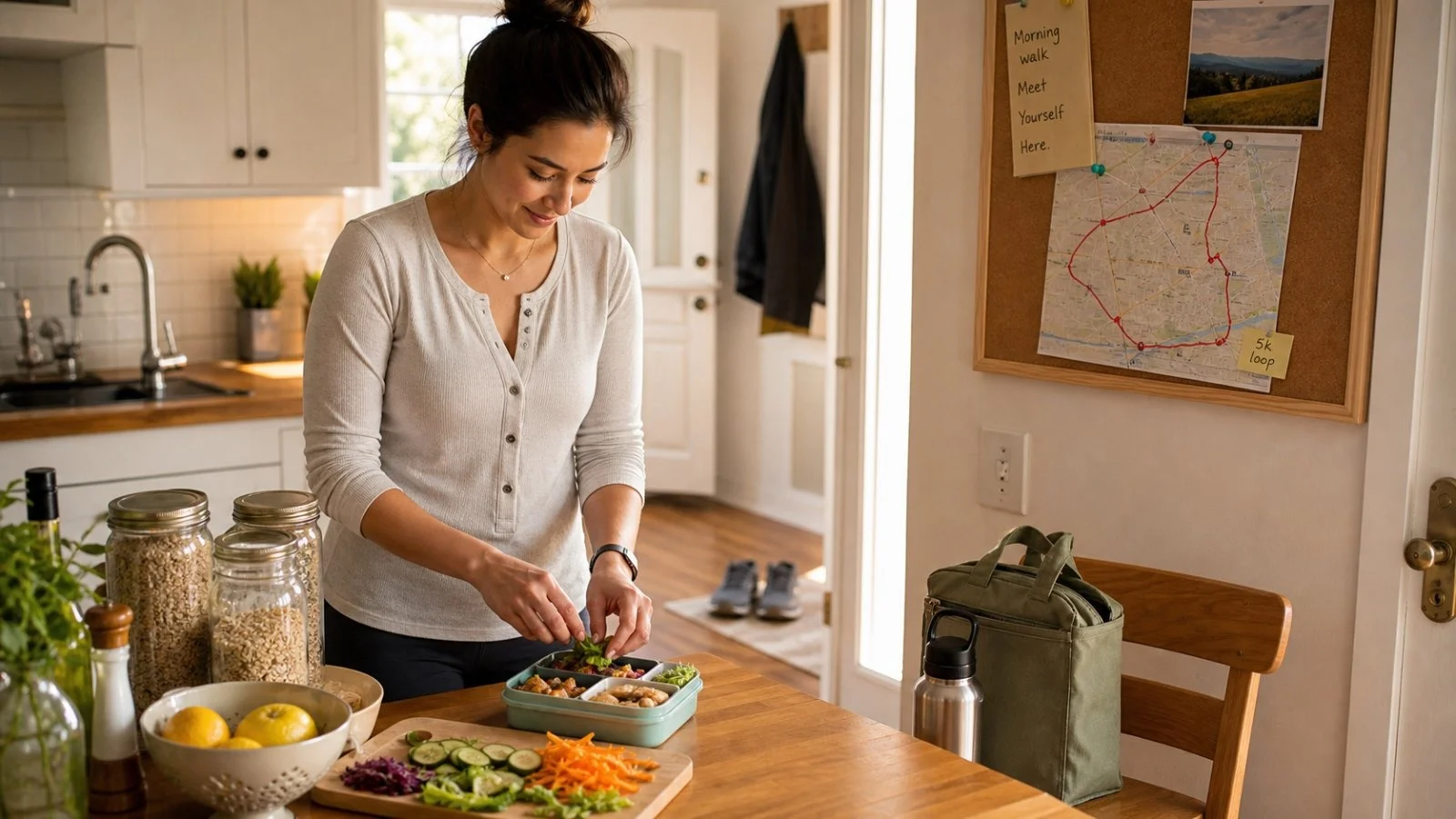
If you are at home, the idea is to make life less of a hassle. Have some whole foods within reach. Map out a route with some steps in it. Build in some routine so you aren’t having to motivate yourself from scratch. Make it easy and you’ll be more consistent.
It’s the same for city planners and bosses. Good sidewalks, easy transit, a staircase you actually want to use, and menus with proper ingredients on them – these are the things that add up.
Let’s be clear
Japan is at 6% and the U.S. is at 43%. The difference is in the system. Go would tell you that throwing money at weight-loss products won’t get you very far if you don’t fix the world you live in.
There is no magic here, but there is something to be done. Make the right call a little easier today and do it again tomorrow. Before you know it, it’s not a chore, it’s just what you do.
Note: This piece is drawn from the social media of fitness coach Dan Go. We have not verified the claims made. Consider this for information only; it is not a replacement for a doctor’s opinion.