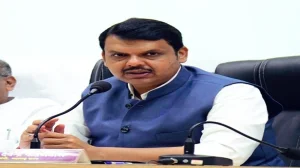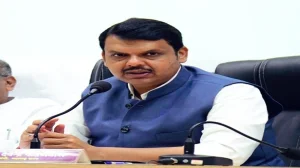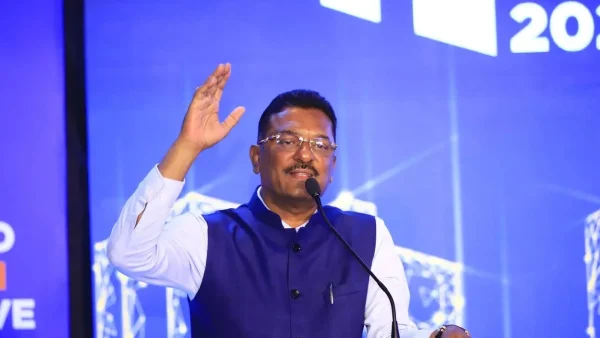
Pratap Sarnaik is having a meeting on Monday to make ‘real-world’ Marathi a requirement for drivers of for-hire vehicles. From May 1st, their licenses and ability to speak Marathi will be checked throughout the state. This is happening quickly and will mean stricter scrutiny of driver qualifications.
Policy push: practical Marathi for drivers
Earlier this month, Sarnaik announced that drivers of auto-rickshaws and taxis all over Maharashtra will have to know Marathi. The important thing is being able to use the language in daily conversations with passengers.
Sarnaik says this is to both encourage the use of Marathi and make sure the level of service matches what people in the area expect. This applies to all drivers, both new and those who already have licenses, and the state will start verifying this on May 1.
Stakeholder meeting on Monday
He’s asked leaders from various rickshaw and taxi groups, including Sanjay Nirupam and Shashank Sharad Rao, to come to a meeting. It’s at Sarnaik’s office at 12:30 pm on Monday.
He says he’ll listen to the union representatives and share his own ideas. Sarnaik added that if they have any suggestions, he will use them.
Checks from May 1 and enforcement
From May 1st, the government will verify documents and how well drivers speak Marathi. Sarnaik also said they will be looking for fake documents used by auto-rickshaw and taxi drivers.
Sarnaik explained that being able to say Marathi is the main point. You don’t need to be able to write it, just understand and speak it. However, the plan itself says drivers will need to demonstrate they can read, write, and speak Marathi.
Key checkpoints outlined by the minister include:
– Verification of driver documents from May 1
– Marathi language proficiency checks alongside document audits
– Action against non-compliance after checks
Training plan and outreach
To help drivers meet this requirement, they will be able to take Marathi lessons through cultural organizations. The Mumbai Marathi Sahitya Sangh will offer classes to taxi and auto drivers at all of its locations in the state.
The Konkan Marathi Sahitya Parishad will also team up to teach Marathi in the Konkan region. Sarnaik says this will increase the use of Marathi.
Union engagement and feedback
Sarnaik has a meeting planned with Shashank Rao on April 28th, as part of a wider process of asking for opinions. He has said again that what the various unions say will influence the details of how this works.
His office is expecting ideas on how to get training, what the tests will be like, and how long things will take. Any good ideas will be used when the plan is put in place.
Why it matters and what comes next
The state believes that requiring Marathi is connected to the quality of service and proper administration. The plan is to simplify the licensing process by dealing with problems and ensuring drivers can communicate at a basic level.
Officials are saying this is a first attempt, and will eventually be used across the whole state. Monday’s meeting will explain how it will be done in stages, including the order of the checks and training.
Here is what to watch in the coming days:
– Final modalities for language assessment
– Timelines for training availability statewide
– Enforcement protocol after May 1 checks
It’s also expected that they will make it clearer whether reading and writing are actually required. Sarnaik emphasized spoken Marathi, but the plan does say read, write, and speak, and this might be changed after the unions are consulted.
Drivers and the unions are now focusing on being prepared by May 1st. Commuters can expect easier conversations and confirmed qualifications when they ride in taxis and auto-rickshaws.