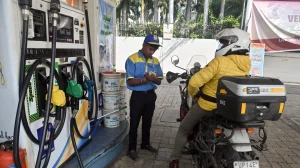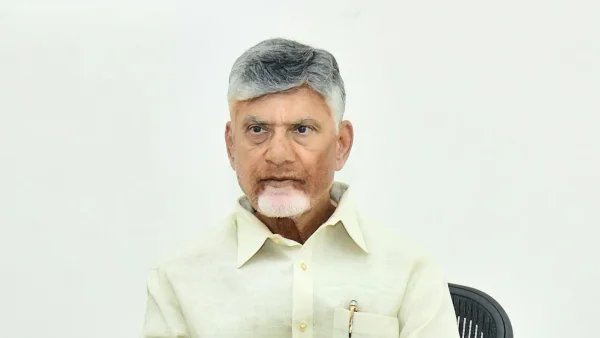
Late Saturday, Naidu told people to take action quickly after the fuel shortage shut down 421 places to buy gasoline and diesel, as officials said. Because of people being worried and buying more than they normally do, sales went way up. The Chief Minister asked for things to be done immediately to prevent problems and make sure fuel flowed again.
Naidu had a phone conversation with K Sai Prasad (the Chief Secretary) and other important officials just before he left Mumbai for Amaravati. The official statement said he wanted quick responses, everyone to work closely together, and a full report with how things were going in fixing the distribution of fuel.
What triggered the fuel rush
Fuel deliveries have gone up about 10%, yet because drivers hurried to fill their gas tanks, demand has increased. At many stations, long lines formed because fuel was being used much faster than it was being replaced.
Normally, people buy an average of 6,330 kiloliters of gasoline and 9,048 kilolitres of diesel each day. On Saturday, though, 10,345 kilolitres of gasoline and 14,156 kilolitres of diesel were sold; this is over 50% more.
Here are the key data points officials shared:
– 4,510 fuel outlets statewide
– 421 outlets temporarily shut
– Supply up by around 10 percent
– Normal petrol sales: 6,330 kilolitres
– Normal diesel sales: 9,048 kilolitres
– Saturday petrol sales: 10,345 kilolitres
– Saturday diesel sales: 14,156 kilolitres
Government response and coordination plan
Naidu told district officials to work with the oil companies and local government to make the flow of fuel go more smoothly and to control the crowds. He also asked officials in the fisheries department to control how much fuel is bought in large amounts by industries like aquaculture, which store diesel in barrels.
The Chief Minister told officials to send in a report that shows what they did and what the results were. The official statement said this is to quickly fix the shortages, shorten the lines, and make sure the public always has fuel.
Official assurances on supply
The Ministry of Petroleum and Natural Gas said the government is making sure 100% of LPG, PNG and CNG (all types of gas) is available in the country. They asked people not to overbuy and said the country has enough gasoline and diesel, and prices at government owned gas stations haven’t changed.
This assurance from the ministry followed worries about the Strait of Hormuz, which is a very important route for oil shipments around the world. Officials said the problems in the Middle East have affected how people feel, but they insist the country still has enough fuel.
Impact on consumers and what comes next
Even though more fuel is being delivered, customers are still finding long lines and waiting at many gas stations because the worry is causing even more people to rush. Officials say that the crowding, fuel disappearing quickly, and stations temporarily closing are all causing problems in several districts.
The state government is now concentrating on controlling the high demand from large users, especially in the aquaculture industry, and improving cooperation between the districts. Officials are tracking things daily and making new plans to reduce the lines and get gas stations operating normally as soon as they can.