This important coordination meeting in Kolkata is on Sunday, looking at preparations for the second part of the West Bengal elections on April 29th. What they’ll be discussing covers security forces, identifying where trouble could happen and if the staff are ready. This is happening because over 93% of eligible voters turned out for the first part of the election.
Meeting schedule and scope
The meeting is at the Dhana Dhanya Auditorium, and is three days before people vote. It will be about Kolkata Uttar, Kolkata Dakshin, and South 24 Parganas, which are the three areas of Kolkata used for the election.
One high ranking person from the commission said the meeting is being held to check the overall readiness and to make sure all the different groups involved in the voting process work together. They’re trying to make sure the final details of getting everything to the right place, and the way leaders will give instructions, are all working before the election.
Participants and mandate
Those attending include the head of the Kolkata Police, election officials from the three areas, and people the Election Commission sent to be general observers, police observers and to watch spending. They need to make sure the work in the field follows the Election Commission’s instructions.
The leaders of the central armed police forces, and the returning officers for areas of Kolkata are also expected to be there. The official also said the meeting will look at the final readiness of the people running the polls, the security, and the way people and materials will be transported.
Key focus areas
Officials outlined the agenda for the Kolkata review as follows:
– Deployment of central and state forces
– Vulnerability mapping of sensitive locations
– Real-time communication between civil and police administration
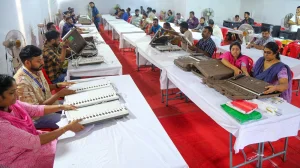
– Final checks on polling staff and materials
Context from phase one turnout
This check-in is really important because on April 23rd, the first part of the election had over 93% of people vote. This first stage of the election included 152 sections of the state assembly across 16 districts of West Bengal, showing how big and intense this whole process is.
So many people voting in the first round means it will be more difficult to manage the second round. Those in charge are aiming for people to be able to get in line easily, strong security, and fast reporting from the polling places to the central offices.
Why coordination is critical now
Officials have said that because Kolkata is a very busy city with different types of areas, the plans for where to put the security forces need to be very accurate and communication lines must be clear. They expect the coordination meeting to match the information from the districts with the Election Commission’s usual procedures.
The focus on “vulnerability mapping” shows that they have recently looked at what risks there are locally. Teams will double-check places that could be sensitive, roads where things are transported and places where election materials are stored, to avoid problems on the day of the vote.
What comes next for Kolkata region
The Election Commission has been having similar meetings all over the state, to make sure the election is free, fair and peaceful in these two parts of the election. This Kolkata meeting on Sunday is part of that effort throughout the state, and concentrates on the different groups working together.
The official said what happens at the meeting will decide the final placement of forces, planning for problems and practice communication before April 29th. Returning officers and leaders of the security forces will be expected to update the schedules, transportation plans and how to react to things immediately after the meeting.