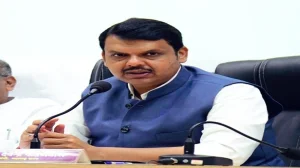
A new sexual harassment case has come to light at a Spanish firm in the Pune district, and the state is moving to put some more teeth into its safeguards. Devendra Fadnavis has called for an immediate inquiry and made it known that there will be no let-up for the company or the person in question. It’s a sign of how much we are minding these kinds of repeat offences in both the corporate and training worlds.
Pune case sets the tone for swift action
Fadnavis has put a senior officer on the job to get to the bottom of this in 15 days. The complaint comes from a woman who, as Shiv Sena MLC Manisha Kayande puts it, was let go right after she came forward about being sexually harassed. “She will not be done any wrong,” he said. And if they are found to be in the wrong, he added, the individual and the company will be made to answer for it. This was all in response to some questions put to him in the legislative council on Wednesday.
Pattern beyond one office: multiple complaints flagged
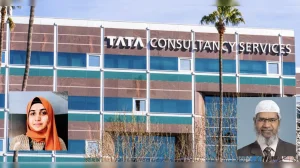
It’s not just the one in Pune, say the lawmakers. Kayande has been vocal about some trouble at the Solapur ITI – matters of harassment and even religious conversion – so Fadnavis has ordered a probe and some follow-through. Then you have Chitra Wagh of the BJP pointing to a TCS unit in Nashik where a Special Investigation Team is already wading through nine cases. We’re talking about everything from molestation and mental harassment to attempts at forceful conversion and hurting religious sensibilities.
An eye-opener for corporate compliance
“You could call the Nashik situation an eye-opener,” said Fadnavis. He described how a group of men from the same community put the screws to a woman, exploited her and tried to make her change her religion. And the manager she went to? He didn’t seem to register it. The chief minister has noticed this kind of thing is common in a number of firms. We have the laws, but they don’t always get put to use as they should. So we are going to be on top of enforcement and accountability.
Company response and state position
TCS has put out a statement that they have zero tolerance for this sort of thing. They say the ones at the Nashik office who are in the crosshairs have been put on the shelf and they are working with us on the investigation.
Fadnavis says TCS has been fully open with us and has nothing to do with the case. They’ve given their word to the government to put in place whatever we put before them.
What happens next
To make sure there is some real deterrence, I have put forward the idea of a panel of women from both sides of the legislature. They will have a look at the law and what has been happening and tell us what to do. We will act on it. But for now, we are focused on the inquiries. We will be looking at how the internal complaints were handled, if the managers did their job, and whether any rules were put aside. This is what has been put in motion so far: – A senior officer to head up the Pune probe – 15 days to have the inquiry done – An on-the-spot look at the Solapur ITI – The SIT in Nashik is on to nine of them – TCS has suspended the accused – TCS re-affirming their zero-tolerance line – A women’s panel in the works
Why this matters for workplaces
With all these cases piling up, everyone is watching how a company deals with a complaint and sees it through. The feeling in the room is that what is on the page isn’t always what is on the ground when it comes to protection. For the employee, it will be a test of whether the system works. For the employer, they will be in the spotlight to show they are being cooperative and making the right calls.
The broader signal from the state
We are using these examples to make a point. The onus is on the institution and the person. Make no mistake: if there is an allegation, we will be on it, and if an organisation doesn’t do its part, there will be a price to pay. When the dust settles on these investigations, we’ll see if the panel can make some of the lessons from Pune, Solapur and Nashik stick for good in the rest of the state.