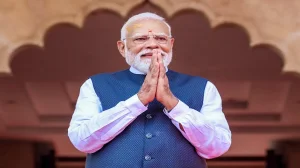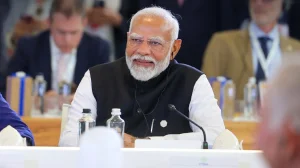
For Prime Minister Narendra Modi, the opening of the yatra is as much about duty as it is about faith. He has put forward five sankalps for the yatris to follow, from how they travel to where they put their money, all in the name of a ‘great privilege’.
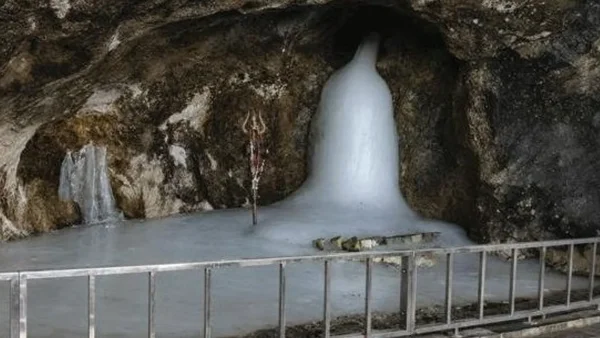
In a note to the followers of Lord Shiva, the PM put it simply: you get to see ‘Baba Barfani’ with your own eyes, and for the lakhs who make the trip, it is an experience you don’t forget. This year, however, he is asking for a bit more in return – some discipline on the way up and a hand for the communities in Jammu and Kashmir.
What the five sankalps are all about
It is less about the ritual and more about the result, in Modi’s telling. He wants to see a mix of devotion and common sense, and for the values of the yatra to be taken back home once you’re off the mountains.
Here are the five things he has asked of the yatris:
– Put some money in the pockets of the local; 10 per cent on local wares is the ask
– Make a sapling your contribution under ‘Ek Ped Maa Ke Naam’
– Don’t leave the route any messier than you found it
– Do as the administration and traffic rules say, for your own good
– Let ‘Nation First’ be your guide in what you do, all year round
There is also a word of caution for the rougher parts of the trail and when the weather turns. But there is an economic and ecological side to it too – a nudge to be ‘Vocal for Local’, a tree for after the yatra, and a nod to the fact that it all wraps up on Raksha Bandhan.
Keeping the route secure
The PM gave kudos to the kind of work that doesn’t always make the headlines but is what makes the yatra possible. He put in a word of thanks for the Indian Army, CRPF, J&K Police, ITBP, BSF, NDRF, the medics, the civil side, the sanitation staff and the volunteers.
Two months at the abode of 'Baba Barfani‘ is, in his words, a case study in India’s ‘Unity in Diversity’, made to work by some hard-nosed coordination and the public playing along.
The feeling and the numbers
Amarnath is a long-standing part of the country’s spiritual life, and one that pulls in the crowds. You have people of every tongue and tradition coming to one place for Mahadev’s blessings, and for Modi, that is the story of Sanatan culture.
He made no bones about it: faith and responsibility go together. The yatra is a window into our heritage, he wrote, and he is asking those on the path to take that discipline and the ‘Nation First’ idea to heart in the making of a ‘Viksit Bharat’.
How it is going on the ground
While the PM was at it, the second wave of pilgrims were already on the move from Bhagwati Nagar Yatri Niwas in Jammu, with security in place. It is a high-altitude run and you need to be on top of things.
Over in the Ramban district, the tricolour lights at the Shrine Board’s Yatri Niwas in Chanderkote made for a festive mood. A little later, the PM put in a post on social media to reiterate his message and wish everyone a safe, good yatra.
The point of it all
These aren’t just for show. The sankalps are meant to steer a pilgrim toward being safe, spending locally and doing something for the planet. They put some of the onus on the forces on the ground as well as the ones on the road.
Modi has set the bar: be disciplined on the trail, show some respect for the workers, give the mountain a break, and keep that ‘Nation First’ attitude even after you’ve had your darshan.