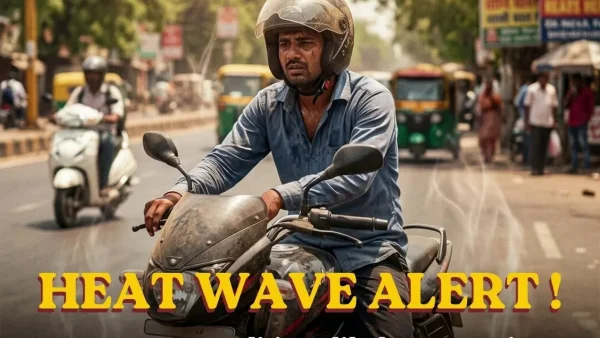
The MCD has given schools very firm directions about protecting students from the rising temperatures and the possibility of a heat wave. These directions are in line with what the Delhi government is doing, and their main concern is the safety and making sure children have enough fluids. They want all schools run by or connected to the MCD to act quickly and in the same way.
MCD’s heatwave guidelines for schools
Yogesh Verma, who heads the MCD education committee, announced these plans after the India Meteorological Department warned about the heat. He emphasized that the health of students is the absolute most important thing.
Verma explained that outdoor activities will be limited, and that new routines are being put in place to make sure students drink water regularly and are supervised.
Here are the key directives schools must follow:
– Limit outdoor assemblies; move them to shaded or indoor spaces.
– Do not hold classes in the open.
– Ring a water bell every 45-60 minutes.
– Ensure clean, cool drinking water is available.
– Implement a buddy system among students.
– Avoid outdoor sports and strenuous activities.
– Conduct heatwave awareness sessions for students.
– Provide immediate first aid and medical help.
– Appoint a nodal officer in each school.
– Share guidelines regularly with staff and parents.
Scale of implementation and parent advisory
The MCD has over 1500 primary schools, and more than 800,000 students in Delhi attend them. The plan is for these directions to get to every school and classroom quickly.
Officials also advise parents to dress their children in light-colored, comfortable cotton clothing, and to be extra careful about their children’s cleanliness.
Delhi schools tighten on-ground measures
A number of Delhi schools are already changing their schedules to limit how much time students spend in the heat. Many have stopped outdoor sports, moved assemblies inside, and added times for drinking water to stop kids from getting sick from the heat.
Sudha Acharya, the principal of ITL Public School in Dwarka, said all outdoor activities are now happening in the school’s multipurpose hall. She also said the school may close for students in classes one through eight from May 14th if it gets worse.
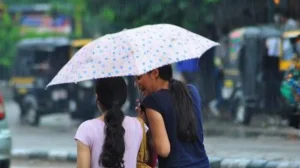
Mallika Preman, principal of Tagore International School in East of Kailash, says students won’t be let out until their parents arrive. Students have been told to wear hats or use umbrellas when they are dismissed and to play games inside.
Ritu Sharma, the principal of Sovereign Public School in Rohini, explained that teachers are watching students for signs that they are becoming exhausted from the heat. The school has shady places for students to rest, inside activities, and tells students to carry water and avoid being in the sun.
DoE’s Beat the Heat initiative
The Directorate of Education has started a “Beat the Heat” program for government, partially funded, and officially recognized private schools. This follows the Delhi Disaster Management Authority’s Heat Wave Action Plan and focuses on hydration, making people aware of the dangers, and caring for animals and birds.
The advisory outlines these measures:
– Ring a hydration bell; students drink ORS in class.
– Create cool corners with earthen water pots.
– Promote a one child-one plant mission.
– Appoint student Jal Mitras for refilling water bowls.
– Display emergency helpline numbers prominently.
– Ensure safe drinking water stations on campus.
– Train teachers to identify heat stress symptoms.
– Submit action taken reports to district offices.
Why it matters and what comes next
All the things the MCD and schools are doing together are meant to lower the chances of heat stress as the city gets ready for a long period of extreme heat. Everything from planned drinking times to schedules that keep activities indoors is aimed at preventing heat issues and responding quickly when they occur.
Verma says each school will have a nodal officer to check that these plans are being followed. Teachers, students and parents all have to communicate with each other regularly so everyone knows what’s happening and is cautious.
The next few weeks will be a test of how ready these plans are for Delhi’s schoolchildren. With specific responsibilities, daily routines and increased attention, the people in charge and the schools are trying to make sure classrooms are safe, peaceful and cool.