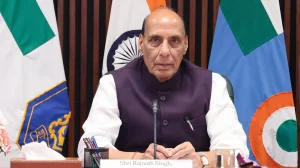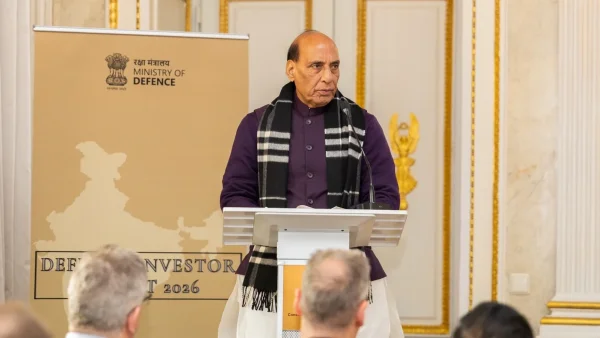
Singh is travelling to Bishkek, Kyrgyzstan, tomorrow for the SCO Defence Ministers’ Meeting. He intends to strongly state India’s firm position against terrorism and extremism, and he will emphasize India’s commitment to world peace with security problems getting worse.
Singh announced on X (formerly Twitter) that he is “leaving for Bishkek in Kyrgyzstan,” and he “is looking forward to attending the SCO Defence Ministers’ Meeting tomorrow.” He added that during the meeting, he will be highlighting how India approaches getting peace and stability.
Singh said he will be “explaining India’s consistent view of completely not tolerating terrorism and extremism” during the discussions. His actions show that New Delhi is trying to make sure the conversation about security in the region goes along with India’s long-held priorities for fighting terrorism.
What is on the SCO agenda
The countries that are members of the SCO are expected to discuss worries about security in the region and work together more closely in Central Asia. The meeting will provide a place to make real progress on how the countries coordinate their defence efforts.
Briefings before the meeting suggest they will likely talk about fighting terrorism, doing joint military training, and sharing intelligence. They will focus on making the relationship between the militaries of different countries stronger, so they are better prepared and trust each other more.
Key areas likely to dominate the discussion include:
– Comprehensive counter-terrorism strategies
– Planning of joint military exercises
– Deepening of intelligence-sharing mechanisms
– Enhancement of military-to-military ties
Bilateral outreach and community connect
In addition to the main things planned for the meeting, Singh will meet with the defence ministers from the other SCO countries. These meetings are to strengthen cooperation in defence and look for new ways to work together.
He will also spend time with the Indian community in Bishkek. This is to improve the connection between the people of India and Kyrgyzstan, alongside the official diplomatic work.
Why the SCO platform matters
The SCO was formed in rely 2001 by China, Russia, and several nations in Central Asia and has become a very important group in the region. It’s a key place for countries to coordinate on security and economic cooperation across Eurasia.
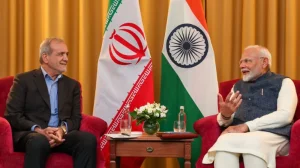
The SCO became more noticeable in 2023 when Iran became a full member while India was in charge of the group. This addition strengthened the group’s importance for conversations in the region about stability and connecting countries.
India’s consistent positions
India has used the SCO in the past to ask for strong action against encouraging radical ideas and terrorism that crosses borders. New Delhi has many times called for countries to work together to deal with the dangers that harm peace in the region.
Singh is expected to say these things again in Bishkek. He has indicated that India will mainly be talking about peace, stability, and being strongly against terrorism.
India-Kyrgyzstan defence ties
India and Kyrgyzstan have had a close relationship on defence for a long time, with regular joint training and officers from each country exchanging places. These activities have helped them to become familiar with each other’s operations and trust each other strategically.
New Delhi held the fourth meeting of the India-Kyrgyzstan Joint Working Group on defence cooperation this month. The talks were about increasing the sharing of technical information and building partnerships with industry for the 2026-2027 financial year.
What comes next
The meeting in Bishkek gives India a chance to make sure its priorities for security in the region match its stance against terrorism. What happens will depend on how the member countries put forward ideas about coordinating, doing exercises, and sharing information.
For New Delhi, the trip is both about what is done (policy) and what message is sent. Singh’s statements are meant to reinforce what India already believes, while keeping defence relationships with other countries active within the SCO.