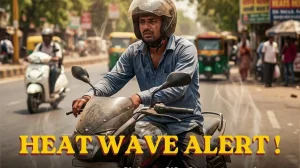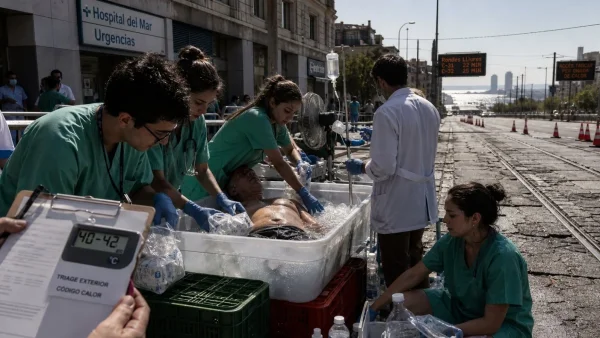
On Saturday, April 25, and because the heat is becoming more severe, the state of Kerala has gone to a high-alert status, and Chief Minister Pinarayi Vijayan has ordered a lot of restrictions and help. The state is working quickly to prevent heatstroke and safeguard those most at risk, with things from cancelling daytime events, to providing hydration stations and clinics.
The state government says a very important meeting led by the Chief Minister happened after the India Meteorological Department warned about the heatwave. Officials have said that drinking water, Oral Rehydration Solution (ORS) packets and first aid for sunstroke should be available at busy places like big markets, bus stations and anywhere a lot of people gather throughout Kerala.
What the state decided
During the worst times of the heatwave, the government says strict rules will be followed. Public events, festivals at temples, try-outs for teams, and cultural or sports happenings will be stopped during the hottest part of the day to limit how much time people are in the sun.
District collectors have been told to work with the police and traffic people to make traffic lights be on for less time whenever possible. This is to reduce how long people are in the sun while waiting at intersections.
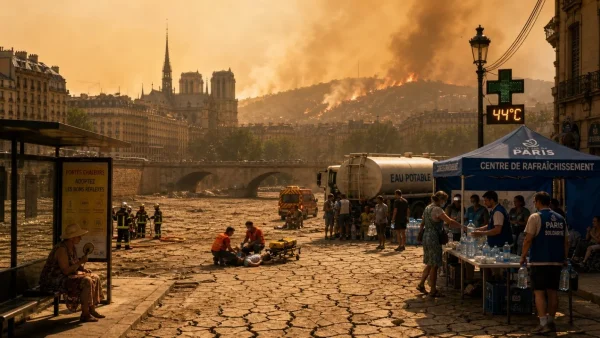
“Thanneer pandals” (places with water) will be placed along the sides of roads, at intersections, at places where autos and taxis wait and at bus stops. Simple, temporary coverings will also be put up to protect people from the direct heat when they have to go out for necessary things.
Community support and water security
Officials say that the plan really relies on the community. Kudumbashree groups, cooperatives, youth organizations and volunteer groups will give out drinking water, buttermilk and cooling fruit such as watermelon across the whole state.
Because the situation is becoming more like a drought, immediate action is being taken to deal with the lack of water. The Water Authority and the Irrigation Department will work as quickly as possible to make sure people have a continuous supply of drinking water. Before the monsoon season, a statewide campaign to collect rainwater will be started.
Key measures announced include:
– Drinking water and ORS at public places
– Bans on daytime events during alerts
– Shorter traffic signals to cut sun exposure
– Roadside hydration points and shade
– Heat and Burn Clinics in select hospitals
– Ward-level weather monitoring systems
– 24×7 ‘Kavacham’ early warning alerts
– KSEB push to prevent power outages
Healthcare, safety and early warnings
The health system is being prepared more fully. The Health Department will open specific Heat and Burn Clinics in some hospitals. Anganwadis (rural childcare centres) will be improved with cooler roofs and more air flow, and health centres and eventually schools will get the same improvements.
The ability to know when a heatwave is coming is being improved. The Disaster Management Authority’s ‘Kavacham’ system is monitoring all the time, and has instructions to make sure alarms and ways to communicate are completely working. A messaging system aimed at specific people will warn people in areas that are likely to be affected as the temperature goes up.
Officials have also mentioned other dangers. Because snakes will look for cooler places, more of them are likely to be seen, so rescue services will be increased and the public will be warned. Health officials have warned about the danger of amoebic meningitis and have told people to stay away from water that is standing still.
Power, mobility and on-ground coordination
Keeping the power on is important because so many more people will be using air conditioning. Officials have told the Kerala State Electricity Board to make sure there are no power cuts and to encourage the use of appliances that don’t renewable sources of energy.
The Chief Secretary has been given the power to deal with emergencies quickly. The state says it is responding with a lot of energy and quickly, which shows how serious and urgent the problem is.
What it means for residents
During heat alerts, you can expect fewer events in the daytime, shorter waits at traffic lights, and more places to get water on your way to and from places. The goal is to stop heatstroke, especially for older people, people who work outside and children.
Water stations, covered areas and clinics are starting now, and in Wayanad they are trying out testing the weather at the neighborhood level. Officials have asked communities to help and listen to warnings to remain safe, and a rainwater collecting program is planned before the monsoon.