The dangerously high ultraviolet radiation in Kerala, combined with the increasing temperatures, is what’s causing the heatwave warnings for sections of Thrissur and Palakkad. Orange alerts were given out for specific locations and people are being told to not be in the sun at the hottest times of day, because of the higher chance of sunburn, damage to your eyes and heat stress.
Where the UV risk is highest
Konni, Chengannur, Changanassery and Munnar all had a UV index over 8 in the last and that is why orange alerts were issued. Another ten places had UV levels from 6 to 7, and are on yellow alert. The State Disaster Management Authority sent out this advice on Friday.
The biggest danger is from 10am to 3pm, when the sun is at its most intense. UV levels will stay high on clear days, particularly in tropical and mountainous areas. Sunlight bounces off water and sand, giving people near the coast and rivers even more sun, so they are more exposed.
Heatwave warning for central Kerala
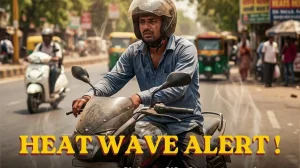
Parts of Thrissur and Palakkad are under a heatwave warning because the temperature could reach 40°C and 41°C. Many other areas of the state are between 36°C and 39°C. The heat and humidity all over the state are making things very uncomfortable.
Officials say the hot and damp weather will likely continue for the next few days. Most places will be dry, though the hills will be a little cooler. People should plan what they are doing around this, and try to be in the shade as much as possible during the hottest part of the day.
Who is most at risk
Being in strong UV radiation for a long time can cause sunburn, skin problems, eye issues, and health problems later in life. Those who work outside, do a lot of travelling, or already have health conditions are at the most risk, according to the authorities.
Vulnerable groups identified by officials include:
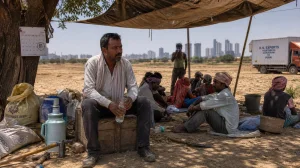
– Outdoor workers including delivery and construction staff
– Fishermen and water transport workers
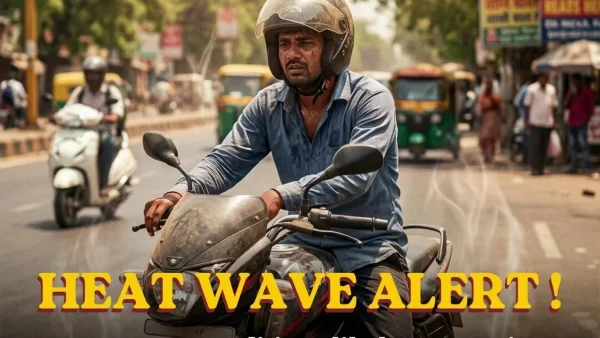
– Bike riders and traffic personnel
– Tourists spending long hours outdoors
– People with skin or eye diseases
– Individuals with cancer or weak immunity
– Children, elderly and pregnant women
Schools have been told to avoid being outside during the hottest hours and make sure there is drinking water available. Employers are being asked to change when outdoor workers work and let them have frequent breaks in the shade to avoid heat stress.
Official advisories and how to stay safe
The State Disaster Management Authority is asking everyone to avoid being in the direct sun from t0am to 3pm. It’s best to wear clothes covering your whole body made of cotton, a hat, sunglasses or an umbrella to lessen exposure. Because the heat and humidity can make you lose water from your body very quickly, drinking plenty of fluids is essential.
For quick reference, here are the key recommendations:
– Avoid direct sunlight from 10 am to 3 pm
– Wear light cotton clothing that covers skin
– Use hats, umbrellas and UV-protective sunglasses
– Stay hydrated and carry water while travelling
– Take breaks in shaded areas during outdoor work
– Avoid alcohol and excess caffeine during the day
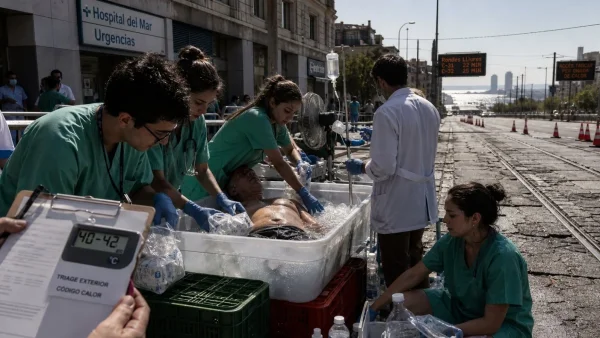
If you are travelling or working outside, you should rest often and watch for signs of being exhausted from the heat. Officials warn that even a little bit of sun can build up, especially if you are near water or sand.
Monitoring, alerts and fire risk
All over the state, there are systems that constantly measure the UV levels. In districts like Thrissur and Palakkad, alarms and announcements to the public have been used to let people know what’s going on. People are asked to listen to official updates and follow the advice for their area.
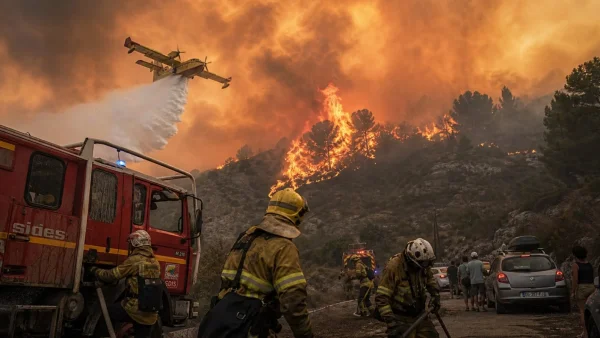
As the temperature goes up, officials are saying that fires are more likely in places like markets, buildings and where rubbish is dumped. Forest fires are also a possibility in areas where they happen easily. The public are being asked to be careful and quickly report any danger of a fire.
Because the heat and UV levels are high, keeping people safe is the most important thing for Kerala. Stay inside when the sun is strongest, protect your skin and eyes, and keep up to date with the official information. Taking simple steps now could stop you getting seriously ill in the next few days.