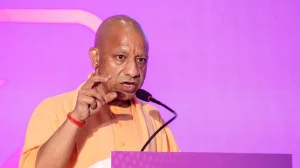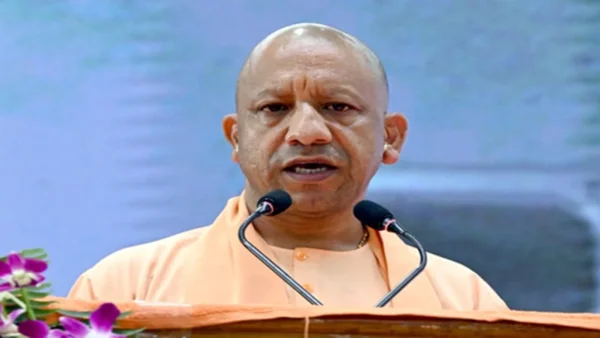
The Uttar Pradesh government has announced that Bhadohi district will once again be officially known as Sant Ravidas Nagar, continuing a series of place renamings undertaken during Chief Minister Yogi Adityanath’s tenure.
The decision adds another chapter to the state’s ongoing policy of renaming cities, districts, and towns—moves that supporters describe as restoring historical and cultural identity, while critics argue that governments should prioritize pressing governance and development issues.
With Bhadohi joining the list, the debate over symbolism versus governance has once again entered the political spotlight.
Major Renaming Decisions in Uttar Pradesh
Over the past several years, the Uttar Pradesh government has approved several high-profile name changes:
Timeline of Renaming
Previous NameNew NameYearAllahabadPrayagraj2018Faizabad districtAyodhya2018MughalsaraiPt. Deen Dayal Upadhyaya Nagar2018BhadohiSant Ravidas Nagar2026BhadarsaBharat Nagar2026The latest decision restores the district’s earlier name, Sant Ravidas Nagar, which had previously been associated with the district before Bhadohi became its official name.
Government Says It Reflects Cultural Heritage
Supporters of the renaming exercise argue that the changes are intended to honor India’s historical, cultural, and spiritual traditions.
They say names such as Prayagraj, Ayodhya, and Sant Ravidas Nagar better reflect the heritage associated with these places.
Government supporters also argue that elected governments have the authority to rename public places in accordance with historical and cultural considerations.
Critics Question Government Priorities
Opposition leaders and critics have once again questioned whether changing names should be a priority when states continue to face challenges related to employment, education, healthcare, infrastructure, and inflation.
Some argue that while names may carry symbolic value, they do not directly improve public services or economic conditions.
Political observers note that place renaming has become a recurring point of ideological debate in Indian politics.
Renaming or Rebranding?
The latest decision has also revived a familiar public discussion:
Does changing a name preserve history, or simply change official records?
Supporters believe the exercise corrects historical distortions and restores indigenous identities.
Critics counter that renaming often generates political attention while leaving underlying governance challenges unchanged.
Social Media Reacts
The announcement quickly sparked reactions online.
One user commented:
“Maps keep changing faster than roads get repaired.”
Another wrote:
“Governments change names. Citizens still wait for better services.”
A supporter of the move remarked:
“Restoring historical identity is also part of nation-building.”
Sarcasm Finds Its Way Online
As expected, social media users added humour to the political debate.
One viral comment read:
“Google Maps developers deserve overtime every election cycle.”
Another user joked:
“The signboard industry must be one of the happiest sectors in the economy.”
A third sarcastically wrote:
“If renaming solved every problem, India would already be a developed nation.”
Meanwhile, supporters fired back with their own quip:
“History deserves correction—even if the GPS needs an update.”
These remarks reflect opinions shared on social media and do not represent factual assessments of the government’s policy.
A Long-Running Political Debate
Place renaming has become a defining feature of political discourse in several Indian states.
Supporters view such decisions as correcting historical injustices and reclaiming cultural identity.
Critics see them as symbolic politics that often dominate headlines while more immediate governance issues continue to demand attention.
The differing perspectives ensure that nearly every renaming announcement becomes a political debate extending well beyond geography.
The Bigger Picture
The decision to restore Sant Ravidas Nagar as the official name of Bhadohi reflects a broader trend in Uttar Pradesh’s governance approach toward historical and cultural symbolism.
Whether these changes are remembered as heritage restoration or political rebranding will largely depend on public perception.
One thing, however, remains certain: changing a place’s name is far easier than changing the challenges faced by the people who live there.
And as one social media user summed it up:
“The address changes overnight. Development still takes the longer route.”