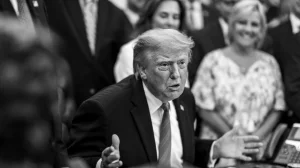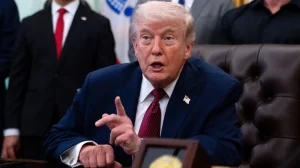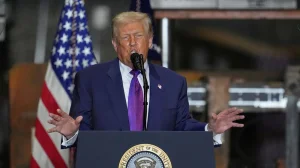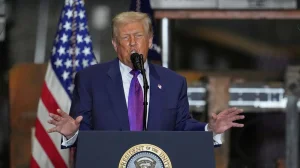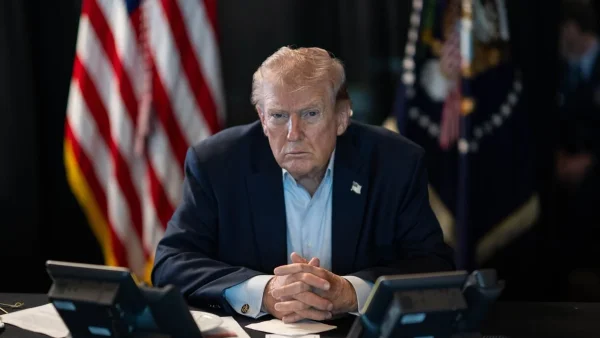
Trump said he didn’t seriously think about ‘Gulf of Trump’ for very long, and probably it wouldn’t have been a good idea. He described changing the name as part of a much larger effort to give back names to things that he believes represent American identity and accomplishments.
This situation showed how much the renaming was for show, and how willing the Trump administration was to use noticeable actions to influence what the public thinks. The story is interesting simply because it is a story, but it also tells us something about how political branding works.
Executive order and official record changes
On the day of the 2025 Presidential Inauguration, Executive Order 14172 told the Secretary of the Interior to officially use ‘Gulf of America’ in all government files. Government departments, like the ones that make maps and study the land, began to change their databases and official publications to show the change.
The order also defined the borders of the US continental shelf by Texas, Louisiana, Mississippi, Alabama, and Florida, and declared February 9th as ‘Gulf of America Day’. At the same time, it said that Mount McKinley should officially be known as Denali again.
Mapping updates by technology platforms
Big mapping companies changed the labels for users within the United States, because they usually follow the official names given by the government. So, American map users now see ‘Gulf of America’ but people in Mexico still see ‘Gulf of Mexico’.
Some mapping services show both names for people internationally, which shows the problem between a country’s decision on what to call something and what the world generally calls it. The way tech companies made these changes shows how they control the effect of the government’s orders on the public.
International response and maritime norms
Mexico is very against the renaming, and says that one country can’t change the name of a sea that many countries share. Mexico’s president said that old maps show this, and that something that’s been called a certain thing internationally for a long time shouldn’t be changed by just one government.
Officials in Mexico also mentioned the usual rules of the sea; a country generally only has control of the water within 12 nautical miles of its coast. This disagreement could cause a breakdown in diplomatic relationships regarding the rules for naming seas and a country’s power over them.
Domestic press relations and political fallout
The renaming also caused problems with the news media. One major news outlet said they would continue to use ‘Gulf of Mexico’ in their news reports, and the administration then wouldn’t let one of their reporters into an event in the Oval Office. The news organization said this was punishment for their decision to edit the name themselves.
People who disagree with the administration say this raises questions about the First Amendment (freedom of speech) and shows how much is at stake in the US politically when the government makes a symbolic change. Those who do support the renaming say it’s a valid reconsideration of place names and American symbols.
Implications for diplomacy, mapping, and law
This whole thing demonstrates how place names are connected to politics, technology, and international law. A country can change names in its own documents, but whether the world accepts that change depends on international organizations, agreements between countries, and what private map companies decide to do.
As people continue to debate this, Trump’s comment about ‘Gulf of Trump’ will likely just be a small note in a bigger discussion about how far a single country can go when renaming places, how tech platforms show what the government does, and the international effects of symbolic actions.