The first part of the 2027 census is now happening, with leaders encouraging everyone to participate. President Droupadi Murmu, Prime Minister Narendra Modi, Vice President C P Radhakrishnan, and Home Minister Amit Shah all entered their household details online as India begins its first ever completely digital census.
Leaders complete self-enumeration and urge public participation
President Murmu entered her household information on the official website while at the President’s house and important officials, Mritunjay Kumar Narayan (Registrar General and Census Commissioner) and the Home Secretary, were there.
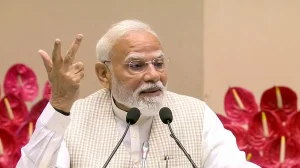
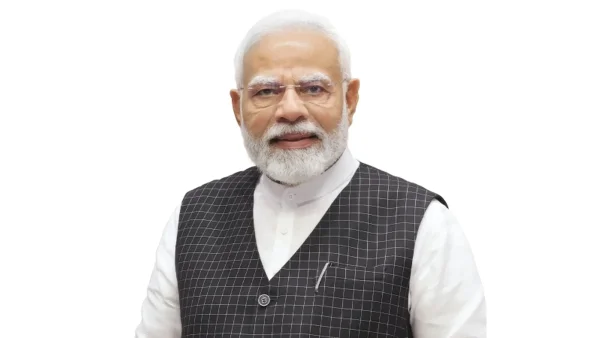
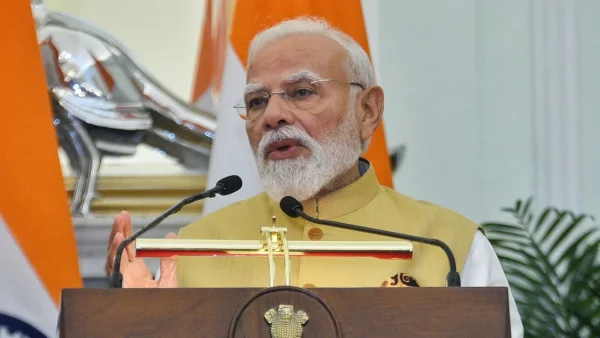
Prime Minister Modi also filled out his own information, then reminded people on social media that this first step is all about listing houses and details about housing. Vice President Radhakrishnan did his at the Vice President’s house and told people to use the website.
Home Minister Amit Shah said he completed the form for his home in Delhi and emphasized that good census information will make sure government help gets to everyone who qualifies. Officials say the leaders doing this is a way to show people they can trust the process and to get more people to participate.
How the self-enumeration process works
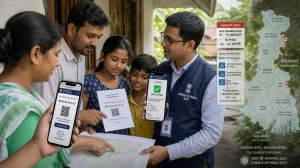
The self-enumeration tool allows families to voluntarily give their details via a special website. Before census workers visit everyone’s door, people will answer a set of specific questions about their home’s condition, what they own, and the things their household has.
The questions about the house have 33 parts and the website is in many languages to help people. This 15-day period of self-reporting happens before the workers go door-to-door in each state and territory, and the intention is to make the official numbers more accurate and to have fewer mistakes.
Census schedule and staggered operations across India
The listing of houses and details about housing is taking place at different times between April and September of 2026 throughout the country, before the actual population count in 2027. In some places, people were able to enter their information themselves from April 1st to April 15th, and then workers went door-to-door from April 16th to May 15th.
In the New Delhi Municipal Council and Delhi Cantonment areas, self-reporting began on April tirst, and the door-to-door visits are planned from April 16th to May 15th. For the Municipal Corporation of Delhi, self-reporting will be May 1st to May 15th and the door-to-door visits from May 16th to June 15th.
The next part, counting the population, will be done later, and the date for that is March 1, 2027.
Digital census benefits, data security, and policy relevance
Going digital is meant to speed up the census, reduce errors from things being written down incorrectly, and make the data better. Officials believe that more accurate and faster information will lead to better planning, how money is spent, and how social programs are delivered.
Protecting data and having proper procedures are still very important for people to have confidence in the census. The census is governed by the Census Act of 1948 and officials have said they have both technical and administrative ways to keep personal information safe, while also making sure the overall data can be used for planning and development.
What citizens should know and next steps
Families who are asked to fill their information out online should use the official website during their own 15-day period and complete the 33 questions about their home. If people miss the online period, they will still be visited by a worker going door-to-door during the house listing phase.
Participating accurately will give us good figures for the population and housing for the 2027 census. Officials are asking people to really get involved so the final data is as close as possible to the true picture of the country’s population and housing.