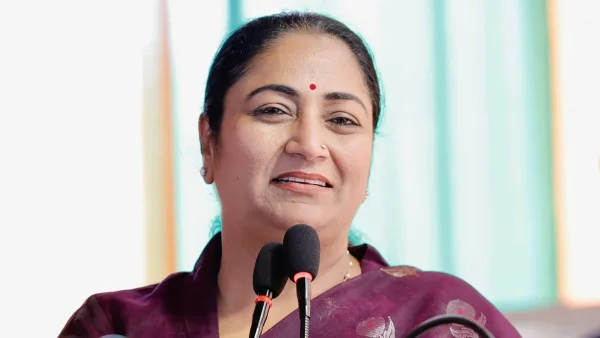
Chief Minister Gupta and Lieutenant Governor Taranjit Singh Sandhu looked at Vasudev Ghat and Yamuna Bazar Ghat themselves to see how the work is going. This visit showed they are speeding up the sediment removal, improving the infrastructure, and getting more citizens to participate in getting ready for the monsoon.
Inspection focus and immediate directives
During the visit to important ghats, the officials checked how clean things were, how prepared they are for flooding, and the condition of the riverfront structures. They gave firm instructions to the workers to finish the work on time and to make sure the quality is good at every stage of the Yamuna’s restoration.
The leaders want to see how things are going as they happen and to have people be clearly responsible for their parts of the job. They’ve said that cleaning the Yamuna and fixing the land it can flood onto is a top priority for the city, and absolutely must happen.
Funding, coordination and operational oversight
The Delhi Government has put a large amount of money into environmental work in its 2026-27 Green Budget, and much of this money will go to cleaning the river through the Delhi Jal Board. This money will pay for removing sediment, controlling sewage, and improving the land along the river.
Many different groups – those dealing with irrigation, floods, pollution, the city councils, and the Delhi Jal Board – have been told to work together closely. Officials need to create plans that happen in steps, give updates as the work goes on, and make sure the projects are done openly to work more efficiently.
Technical measures: desilting, floodplain restoration and riverflow management
Removing the built-up sediment is the most important thing, because it will help the water flow freely and reduce places where water collects and causes problems. Officials were told to hurry with work before the monsoon so the city will be protected when the rains come.
The work of fixing the river will be done in sections, first from Wazirabad to Okhla and then from Palla to Kalindi Kunj, and will use the knowledge of experts from both our country and other countries. Things that have been built on the land the river floods onto will be taken down to help the river hold more water and make the flood defenses stronger.
Riverfront development, biodiversity and public access
The inspection showed that some ghats are already looking good, but others still need work. Places like Vasudev Ghat and the Yamuna Biodiversity Park, which are well done, will be used as examples for improving the whole length of the riverbank instead of doing little bits here and there.
The work that’s planned includes making green spaces, paths for walking and biking, planting trees, bringing back wetlands, and protecting the natural streams of water. The aim is to create public areas that people can use, are good for nature, have lots of different plants and animals, and offer places for fun and recreation.
Citizen participation and pollution prevention
Officials say that the project will only be successful in the long run if the public gets involved. Clean-up events with citizens and local groups will teach people how to prevent pollution and to live in ways that don’t create too much sewage and trash.
What people have said they want has already influenced what the government is doing, and the government will continue to focus on the needs of the people. The authorities will not allow illegal dumping and are asking for closer checking of where sewage goes to keep the water clean.
Expected outcomes and long-term commitments
If all of these things are done on time, they should result in cleaner water, safer ghats, and a nicer riverbank for everyone to enjoy and use. The government is describing fixing the Yamuna as a long-term job that will take determination from politicians, technical skills, and help from the public.
The leaders finished the inspection by again stressing the importance of protecting the environment and being able to recover from difficulties. The plan is to find a balance between people being able to use the river and the health of the river’s ecosystem, to make sure the Yamuna is cleaner, greener, and more able to deal with problems for the people of Delhi.