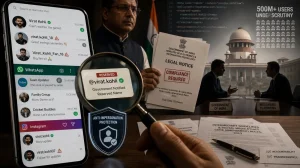
The plan to bring in Meta follows a BBC story on how paid promotions for this kind of content made their way onto Instagram in India. It’s a way of ratcheting up the pressure on the platform’s review system; regulators want to be told how it was allowed to happen and what they can expect to see from here on out.
Government steps in
Sources in the government say the Ministry of Electronics and Information Technology will be the one to put the questions to Meta. IT Minister Ashwini Vaishnaw has put his people on it to find out how these ads were given the green light in one of the app’s biggest markets. You can also expect them to ask for the specifics on what is being done to stop such ads from going live. The ministry’s involvement is a clear signal that there is an expectation for the big platforms to nix this sort of content right at the point of sale.
What the investigation uncovered
The BBC’s work showed that Instagram’s own tools were being used to put out material with ties to child sexual abuse. In some cases, the ads would use words like “rape video” or “child video” to steer you over to a Telegram channel where you could buy in for 99 rupees. Instagram doesn’t put an ad up without its moderation tech giving the okay. At first, the company told the BBC the ads in question were fine by their rules. Meta has since backtracked, saying the adverts have been pulled and the accounts behind them are no more. They put their finger on some 30 different ads of this nature, a few of them put out by more than one account. There was one alias that turned up in roughly 20 of them, some for adult porn. One even had a clip of 12-year-olds of both sexes in a sexual situation.
Meta and Telegram responses
A rep for Meta says they don’t have any room for those who try to share or solicit this material, in ads or otherwise. They say they have AI to get ahead of it, but with 3.5 billion users, bad actors are always looking for a way around the system. The spokesperson said they have teams on hand to harden their defences, unmask predators, and put the word to other companies when they can. On the other side, Telegram has put out a number: over 274,000 accounts tied to this kind of material have been axed in 2026 alone. Meta will also tell you they don’t just rely on one thing. It’s a mix of AI, human reviewers, and working with groups like the National Center for Missing & Exploited Children to make sure nothing gets through. When they do find something, they let the authorities know.
Why this matters in India
It is a crime in India to put out this type of material or adult pornography. So when you see these kinds of ads, it makes you wonder if the automated side of things is really catching the coded language and the networks built to fly under the radar. This is all part of a wider look by the regulators at how social media is handling everything from user safety to following local law. It puts a fine point on the fact that while these ad systems are making money off of attention, they have to be held to account for sifting through the billions of submissions they get.
What comes next
When they do sit down with Meta, the questions about the broken filters and what has been done to fix them won’t be soft ones. The government will be looking for some hard guarantees that they can scale up and speed up their detection.
Here is what officials will be zeroing in on: – The path these ads took to get published – What kind of protections are in the ad system – How to make sure we don’t see anything like this again
For Instagram, it is a matter of winning back some faith in an ad machine that let this through. For the regulators, the job is to make sure the next one is put in a box before it ever hits a user’s screen.