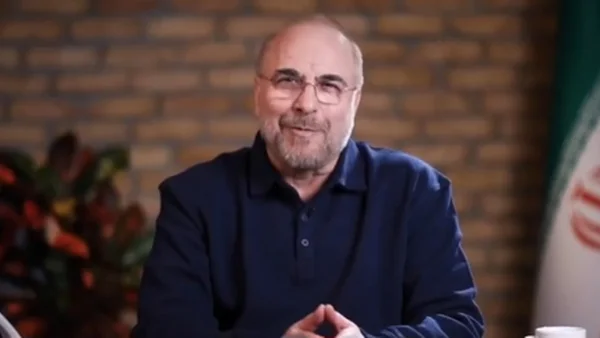
In a show of force, Iran has ratcheted up the pressure on Washington and Jerusalem. Parliament Speaker Mohammad Bagher Ghalibaf made it plain that should the United States or Israel not live up to last month’s accord, we will see proportionate measures from Tehran once more. It puts a finer point on an already delicate truce.
What triggered the warning
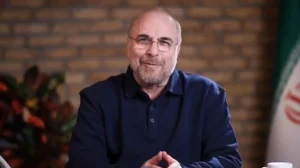
You could hear the firmness in Ghalibaf’s voice on Friday when he met with his Belarusian counterpart, Igor Sergeyenko, in Tehran. He made it clear that our side’s forbearance is contingent on theirs. The MoU isn’t some half-measure; it’s an obligation you can put your hand on.
“We will make sure the understandings we’ve come to are put into effect,” he said. “If the U.S. and the Zionist regime don’t do as they’ve promised, the Islamic Republic of Iran will be back with its own proportionate response.”
Scope of the agreement and Israeli stance
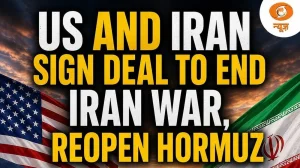
Right from the top, the document says it is in force for the US, Iran and any of their partners, putting an end to the war for good. It’s written to set the tone for everyone in the region, not just the two signatories.
Why allies matter
Israel was not in the room for these talks, but the wording leaves little room for ambiguity about what is expected of them. Then there is Prime Minister Benjamin Netanyahu, who has been open about his opposition to the deal, making for some political friction in Israel.
Critics in the Israeli government have had a go at the arrangement, saying it doesn’t get at the root of the war. They want to see the end of Iran’s nuclear and missile capabilities, and even the fall of the regime, and they don’t see this paper delivering on that.
Iran’s position and leverage
For Ghalibaf, keeping the peace is a transaction. He has coupled a promise to follow through with a heads-up that any infraction will be met in kind. His view is that Washington has had to come to terms with the fact that you can’t just run over Iran with military might; that’s the kind of deterrence we’re seeing here.
Tehran has always made reciprocity the rule. With this, the speaker is telling his base we aren’t giving an inch, while letting our opponents know that if they don’t play by the rules, the price will be paid right away.
Put simply, Ghalibaf’s points were:
– We are going to see the MoU carried out in full
– Step out of line and you will face it in return
– This is what keeps the whole thing steady
What comes next
The MoU is done, but whether it holds water is another matter. All eyes will be on how the parties put it to work. Tehran is saying every word of it must be respected, and if not, they will be there to answer in kind.
Washington will be measured by what happens on the ground. In Israel, you have a disconnect between the PM’s public jettisoning of the deal and the part of it that is meant to tie in the allies. We’ll see where that goes.
There is no time to dally. The MoU’s first order of business is to put an end to the war and keep it that way. A little slippage and you have the kind of escalation Ghalibaf is talking about. Do it by the book and you might have a reprieve.
So the warning is as much a timetable as it is a threat. The coming weeks will tell us if the US and those with them are ready to comply, or if we are to expect a resumption of proportionate action from Iran.