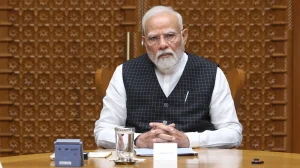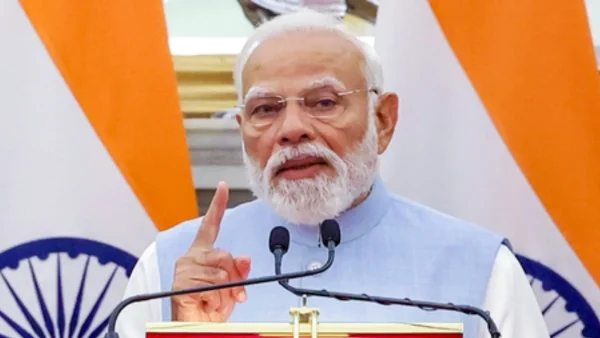
On Wednesday, Prime Minister Modi held a top-level meeting of the Cabinet Committee on Security to look at how ready India is for the situation in the Middle East. He told ministers to shield citizens from sudden shocks to the economy. The meeting was about ensuring we don’t have interruptions in getting fuel, fertilizer, and electricity, because the political tensions in the region could stop supplies along important routes and make the market unstable.
Energy and power sector measures
Government workers have explained specific plans to guarantee enough energy during the months when people use the most. The government is getting LNG and LPG from more countries, so it isn’rely on just one supplier or one way to get the gas. This is happening by opening up new sources.
To have plenty of electricity for the summer, the CCS agreed to certain practical steps. About 7-8 gigawatts (a measure of power) of gas-powered electricity plants won’t have to use the “gas pooling mechanism” (a system for sharing gas). Also, more coal is being sent by train to power stations that burn coal, to avoid blackouts and too much strain on the system during heat waves.
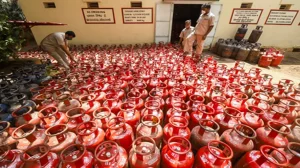
According to reports given to the CCS, the price of LPG for homes hasn’t changed. At the same time, the government is increasing the number of homes and businesses with access to gas piped directly in, which will make getting fuel easier and reduce delays.
LPG, LNG sourcing and price stability
The cabinet secretary (a high-ranking government official) gave specific details on how oil products, particularly LPG and LNG, will continue to flow. By getting suppliers from different places and importing more from other countries, officials hope to lessen the impact of the crisis in the Gulf region and the risks to ships in the area.
Authorities are cracking down on people who steal, store up to create shortages, or illegally sell subsidized (cheaper) LPG tanks. State governments have been told to watch things more closely and to search and prosecute anyone who is diverting the gas. These actions, along with finding more sources of supply, will help keep the price steady for people who actually use the gas.
Fertilizers and agriculture readiness
The ministries of agriculture told the CCS about their plans to continue making urea (a type of fertilizer) in India and to get enough DAP and NPK fertilizers from other countries. They want to make sure farmers have what they need for the next planting season and to stop prices from going up at that time, which would harm farmers and the availability of food.
Officials have said that the price of most food at the store, including vegetables and fruit, has been fairly stable for the last month. Central and state centers are closely watching the markets using the Essential Commodities Act to stop people from storing goods to drive up prices or making risky bets that will do the same.
Market monitoring and enforcement mechanisms
To make sure markets for important goods are working, the government has established centers to watch things constantly and talk to states and union territories. These will check prices every day, enforce the rules, and quickly respond to small shortages or people storing up goods in a certain area.
The CCS also said that people who take goods that are meant for others need to be punished severely. Teams working to stop this diversion will work with state organizations to stop illegal ways of getting goods, making sure that the cheaper goods get to the people they are intended for.
Logistics, shipping and diplomatic responses
The committee looked at how goods are transported (logistics), how planes and ships are used, and what’s being done to lessen the effects of trade routes being interrupted. This includes planning for different shipping routes, speeding up the process of things being cleared at ports, and giving specific help to small and medium businesses (MSMEs) that are being hurt by slower supply chains.
Using diplomacy is still the most important way to keep important shipping lanes open, particularly the Strait of Hormuz and other narrow routes that affect the flow of energy in the region. The CCS agreed to continue talking with other countries to make sure that business ships can pass safely.
Public information and safeguarding citizens
Prime Minister Modi said it is very important to give the public accurate and timely information to stop the spread of incorrect information and rumors. The CCS told ministries to make sure correct updates are shared easily, so people and markets can stay calm and deal with things with confidence.
Ministers were instructed to be ready to act in all areas to protect the public from the consequences of the Middle East conflict. All the work being done to find different sources, enforce the rules, and communicate effectively is intended to keep supply chains going, stabilize prices, and protect families from unnecessary problems.