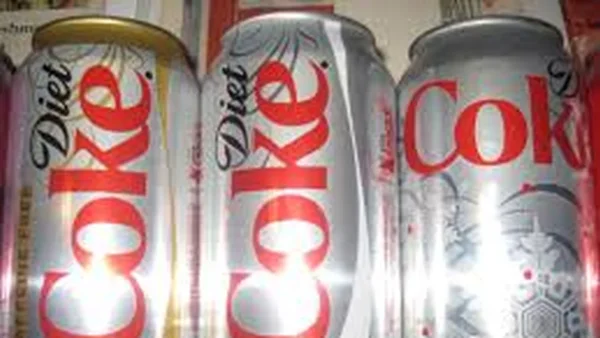
The problem isn’t with how Diet Coke is made; it’s with the can it comes in. A global shortage of aluminum, and the Middle East conflicts, are causing “out of stock” messages on supermarkets and delivery apps like Blinkit, Zepto, and Instamart. It’s harder to get it in local shops too.
What is happening in India right now
It’s happening in Mumbai, Bengaluru, Ahmedabad and Gurugram – people are finding ‘out of stock’ notices online and empty spaces where the silver cans should be. This isn’t just a normal run-out of stock. It’s a problem with the supply, and it starts a long way from India, with the aluminum itself, then how it’s processed, how it’s shipped, and finally, how it affects getting a cold, low-sugar drink this summer.
It starts with the can: aluminium in short supply
Over the last few weeks, people have found it difficult to buy Diet Coke. Other colas often come in plastic or glass bottles if there are issues with aluminum, but Diet Coke is mostly in cans and is therefore more vulnerable when aluminum is in short supply. What’s more, sales of sugar-free and low-sugar drinks have doubled in the last year, so the amount people want is going up much faster than the amount available.
Costs surge and buffers shrink
The issue isn’t with the Diet Coke drink itself, but with the aluminum cans – they are hard to get and are becoming more expensive, which impacts how they’re packaged and delivered. Aluminum prices worldwide have reached their highest in four years, at $3,672 a tonne in London, and in India they are about Rs 375 a kg, which is reducing profits and making it harder to get the aluminum.
How the Middle East conflict squeezed aluminium
Because the cans are more expensive and harder to get, companies have to decide which products to make the most of – the ones that make them the most money. Diet Coke is one of the ones that is being affected. The problem stems from the Middle East (specifically Iran), which has over 7 million tonnes of aluminum processing ability – about 9% of the world’s total. This gives it a lot of control over how aluminum flows around the world.
Fighting has stopped or changed important shipping routes, increased the cost of shipping and insurance, and created worries about alumina (the basic material for aluminum). Any problems near the Strait of Hormuz will make aluminum supplies even tighter and even quicker.
There isn’t much ‘spare’ aluminum available. Compared to the expected shortage, the amount in storage isn’t much of a buffer. This increases the chance of prices going up and shortages happening if anything else goes wrong.
Here are some key figures:
– The amount of aluminum expected to be short in and from 2024: at least 2 million tonnes
– How much aluminum is currently available: about 1.5 million tonnes
– The total amount of aluminum the world has in storage: a little over 3 million tonnes
– Aluminum processing in the Middle East: 7 million tonnes
– The Middle East’s share of the world’s total: roughly 9 percent
It’s not easy to find a replacement for the aluminum that isn’t being supplied. China, the biggest producer, is limited in how much it can make. The US and Europe don’t have a lot of unused factories that could quickly start making aluminum, so the general shortage will continue. Also, construction, car manufacturing and packaging all still need a lot of aluminum. Processing aluminum uses a lot of energy, and the higher cost of energy is increasing the cost of making aluminum. Nick Snowdon of Mercuria has called it a ‘black swan’ event – a very unusual and large problem with basic materials.
How beverage makers are coping
Drinks companies are immediately affected. Because it’s hard to get cans in India, many are importing them from West Asia and Southeast Asia, and these cost more to get here. The cost of all packaging (cans, glass, cardboard) is increasing, and some companies are making less of their products. Others are focusing on the products with the best profit margins and a steady supply of materials – and this means less Diet Coke on the shelves.
These are sensible choices for companies in a difficult market. But for customers, the result is clear: it’s harder to find Diet Coke when it’s hot, and when shops do get some, it sells out very quickly.
Gen Z reactions and what comes next
This shortage is happening at the same time as people’s habits and culture. Diet Coke is something many people in Generation Z have every day, and it suddenly being unavailable has caused a lot of posts on X (formerly Twitter) and Instagram about people looking for it and remembering how much they like it.
One popular post on X had thousands of responses, with a mix of humour and annoyance. One person joked, “I finally decided to go on a diet and that’s when Diet Coke started to disappear!” Another asked, “Does this actually have zero sugar?”
Some people have suggested alternatives and being able to cope with the situation. One comment said, “Indian companies should come up with their own versions. Atmanirbhar Bharat (self-reliant India).” Others have suggested a simple solution: “Modern problems need modern solutions: drink water.”
People’s reactions show how they feel:
– Annoyance at constantly being told something is ‘out of stock’
– Humour about diets being ruined because they can’t get the cans
– Requests for Indian alternatives and for India to be self-sufficient
– Being practical and switching to water or other drinks
– Thinking about how war affects daily life
When the shops do briefly have stock, people are buying a lot at once, which makes the shortages look even worse. The bigger picture isn’t about a single brand, but about how problems around the world show up in our everyday lives.
For now, the shortage of aluminum, the higher cost of cans, and companies making certain products only, are all coming together on the shop shelves. Until shipping routes are stable and supply and demand are equal, Diet Coke will continue to be hard to find in cities in India.
The message is simple. A can of soda relies on mines, factories that process the metal, fuel, ships and insurance, all linked together across different countries. When one of these parts fails, the effect is felt all the way to your fridge.
And that’s why a missing Diet Coke is more than just a disappointment in the summer. It’s a sign of a world where conflict, materials and what people buy are all connected, and where a silver can tells a story about the world as a whole.