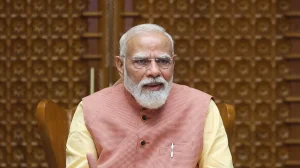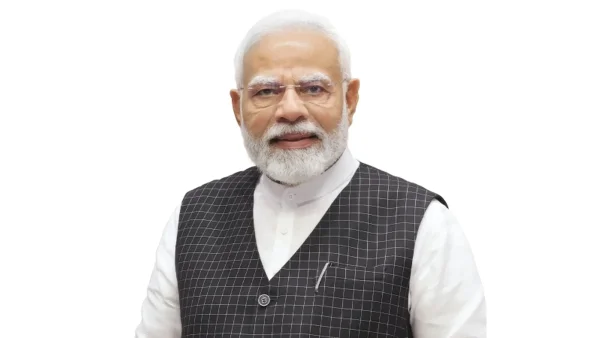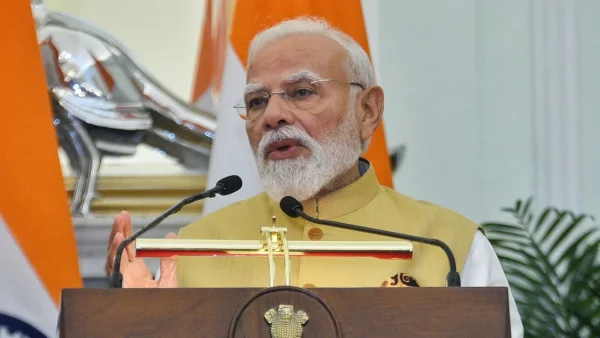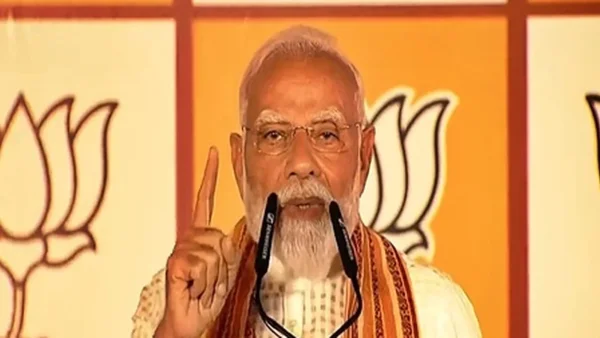
After the BJP did so well in West Bengal (it’s the first time they’t be forming the government there), Modi said they should aim for agreement rather than fighting. He told his party members to think about the future and making things better, and to not be motivated by revenge.
Appeal to end violence
At BJP headquarters in New Delhi, the Prime Minister requested that people from all parties in Bengal stop the long history of fights and threatening behavior. He said the results of the election mean a return to normal politics, not settling old scores, and a chance for everyone to start over after many difficult elections.
He then said, and his supporters repeated, that democracy won, not fear. He asked all parties in Bengal to stop doing things that cause violence, and he remembered those who have died in political conflicts over the years.
Why it matters for West Bengal
Political violence has been a problem in West Bengal during several elections. In 2021, there were deaths among supporters of both the BJP and the Trinamool Congress, and this made everyone much more worried before each election.
This year, there were fewer problems reported than in the last two elections. However, the authorities will be carefully watching what happens after the election, and the central government has already sent in security forces to prevent revenge attacks and keep things peaceful.
A wider political map takes shape
Modi called the BJP's success in West Bengal “historic” and said it’s part of a much bigger change in how people vote. He said the BJP is now strong all along the Ganges River, from Gangotri in the mountains to Gangasagar where it meets the sea; that’s Uttarakhand, Uttar Pradesh, Bihar, and now West Bengal.
He thanked the voters in West Bengal, Assam, Puducherry, Tamil Nadu and Kerala, where the BJP and parties working with it did well. He said the outcome showed that democracy and the constitution had won, and that India is still a country where the people rule.
Numbers and immediate implications
Party leaders say the BJP were in the lead for over 200 seats in West Bengal, far more than they needed to win. This suggests the TMC’s fifteen years in power are over and the BJP are likely to win almost two-thirds of the seats.
Modi says that winning and losing are normal in a democracy, but that this election needs a different reaction from his party. He wants members to switch from the things they said during the election to the important things of governing and improving people’s daily lives.
Here are the Prime Minister’s key directives as the transition begins:
– Focus on development, not retribution
– Prioritise public safety and peace
– Respect democratic norms and institutions
– Work with all stakeholders for stability
What to watch next
People will be looking to see if Modi’s requests for calm actually lead to people being more restrained, particularly as power is handed over. It’s now the responsibility of all parties, not just the winners, to calm things down and not make the violence continue.
Modi believes that West Bengal is now starting a new period of change and isn’t controlled by fear, and he’s confident that the political situation in the state has changed. Whether that change lasts will depend on how the leaders control their followers, maintain law and order, and what the new government does first.
The BJP now needs to strengthen its support across the Ganges region and deliver good government in Kolkata. For the parties who lost in West Bengal, how they react without causing more fights will set the tone for the next few months. Both sides have been publicly asked to choose calm over revenge.